10 tips for dynamic waterfowl photography
-
 Loading...
 - Lesbia Salihou
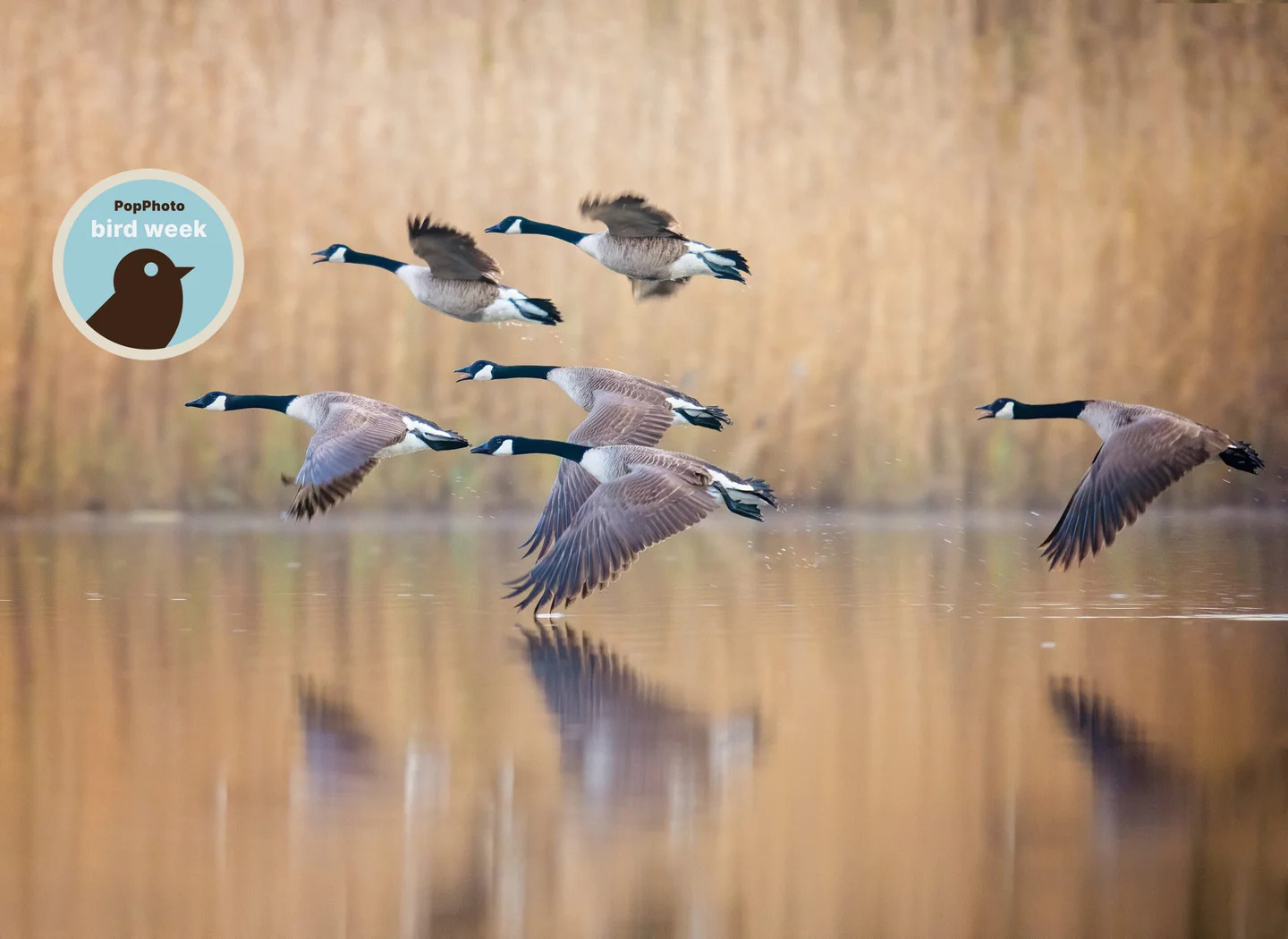
- 17 Aug 2022
- 84 Views
- 0 Like
- 0 Comment
You don’t need to trek into the wild to create incredible waterfowl photography. City parks and wildlife sanctuaries are ideal for photographing ducks, geese, and swans. Not only are they easily reached, but in these spots, the wildlife is used to having people around.
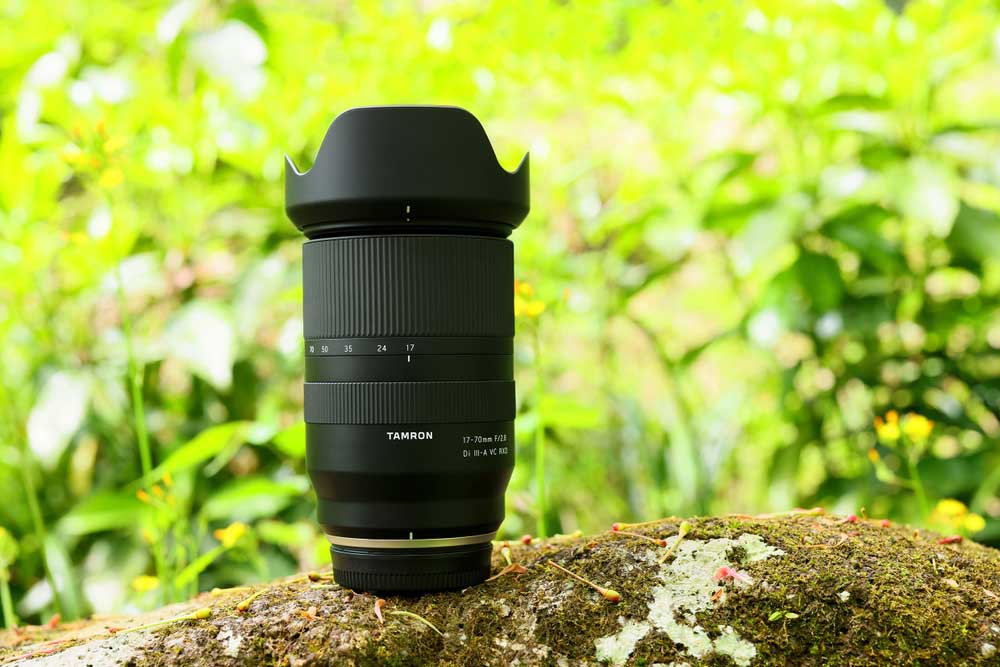
Another advantage? You don’t need outrageously hardcore gear. While super-long, super-fast lenses and teleconverters can be helpful, more casual shooters can do well with something along the lines of a variable-aperture zoom, like the Tamron 70-300mm F/4.5-6.3, available for most full-frame mirrorless mounts.
Remember, when it comes to creating captivating waterfowl photography, timing and technique count the most. Here are 10 specifics to keep in mind:
1. Get out often
Late fall through early summer is the best time for waterfowl photography. You’ll find fluffy newborn goslings and ducklings in the spring. Later in the summer, the birds molt and look scruffy.
2. Join the flock
Waterfowl are most active from shortly before sunrise until midmorning, and then again from midafternoon until after sunset. I like to arrive an hour before these prime times (yes, that often means showing up in early-morning darkness) to let the birds get accustomed to my presence. And when you move around, do so slowly and quietly. Bring a small foam pad to sit or kneel on; you’ll be less threatening to the birds if you’re low to the ground. A tripod that gets low is also important.
3. Watch the light
That the birds are active when the light is best is a wonderful coincidence. Those soft, warm, low-in-the-sky rays couldn’t be better. When a bird is lit by an early or late sun from the front or side, you’ll get an attractive catchlight in the eye. It’s a detail that separates a great bird photo from an also-ran. And with mallard ducks, buffleheads, and wood ducks, a beam of directional light hitting the right way brings out the full spectrum of iridescence in their head coloring. Watch the mallard drakes carefully. Just by turning his head a fraction of an inch, a male’s head coloring can change from nearly black to a splendid green.
4. Study their moves
Pay close attention to the birds’ movements, and soon you’ll be able to predict what they’re about to do and plan your shot accordingly. Most ducks, geese, and swans bob their heads up and down, call out, and turn toward the wind before liftoff. Dabbling ducks, such as mallards, take off almost vertically. Diving birds such as coots require a running start, as do swans and geese. Read More...