France’s Leading Muslim High School Faces Closure
-
 Loading...
 - Albert Stewart
- 01 Jul 2024
- 120 Views
- 0 Like
- 0 Comment
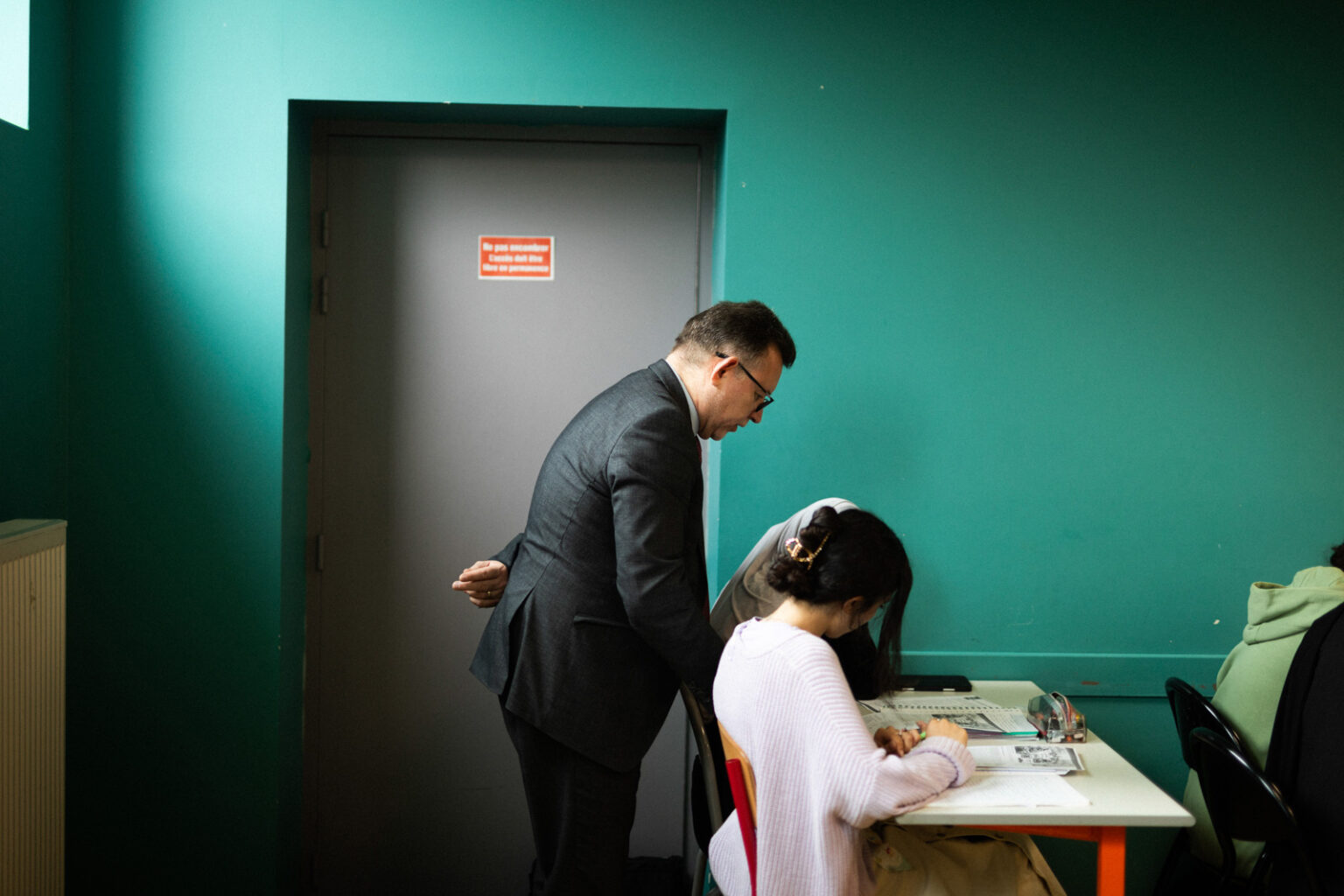
The Lycée Averroès in Lille, one of only two Muslim high schools in France with a state contract, is at risk of closure after French authorities decided to cut its public funding. Despite its exemplary academic performance, the school is accused of fostering Islamic separatism or extremism, a concern highlighted by President Emmanuel Macron. The school, which achieved a 95% baccalaureate pass rate last year, will lose state funding from September, forcing it to find alternative ways to pay its 37 teachers.
Background and Challenges:
Amel Afejjay, a history teacher at Lycée Averroès, expressed the shock and disbelief felt by the school's community. The decision to cut funding was made by Georges-François Leclerc, the prefect of the Nord region, citing concerns about the school’s adherence to France's secular principles, known as laïcité. These concerns include the inclusion of an annotated edition of the Forty Hadiths of Imam an-Nawawî on a reading list, and substantial donations from Qatar Charity and the Arab League.
Headmaster Éric Dufour insists the controversial book was never used at the school and that the donations were legal and reported. He argues that the decision to cut funding is unfair, given the school's mixed classes, diverse teaching staff, and significant contributions to French society through its graduates.
Historical Context:
The Lycée Averroès was established in 2003 and became the first private Muslim high school to receive a state contract in 2008 after demonstrating high academic success. However, the school has faced increasing scrutiny, especially after the 2015 terrorist attacks in Paris, leading to accusations of foreign interference and salafist proselytizing due to its Qatari funding.
Current Situation and Response:
The school fees, currently less than €1,500 annually, may need to double to compensate for the loss of state funding, a significant burden for the majority of its low-income students. Prominent figures such as Pierre Mathiot, Roger Vicot, and Jean-René Lecerf have offered to set up a monitoring committee to help the school retain its contract, but their proposal was rejected.
The Ministry of Education justifies the contract termination by citing failures in curriculum adherence, teaching content, administrative and budgetary management, and transparency. However, supporters argue that the school is held to different standards than other faith-based schools, seeing the decision as politically motivated.
Impact on Students:
Students at Lycée Averroès, many of whom aspire to professional careers, are concerned about the impact of this decision on their education. The school's supportive environment and focus on academic excellence have been crucial for students like Muhammad, who fears his future baccalaureate results might be jeopardized if the school's state contract is not reinstated.
Legal and Political Implications:
The school’s legal team is challenging the decision, which could take months to resolve amidst a volatile political climate in France. Headmaster Dufour remains optimistic, emphasizing that the school represents the opposite of separatism and serves as a bulwark against extremism.
As the legal battle continues, the fate of Lycée Averroès remains uncertain, highlighting broader issues of religious integration and educational equity in France.


