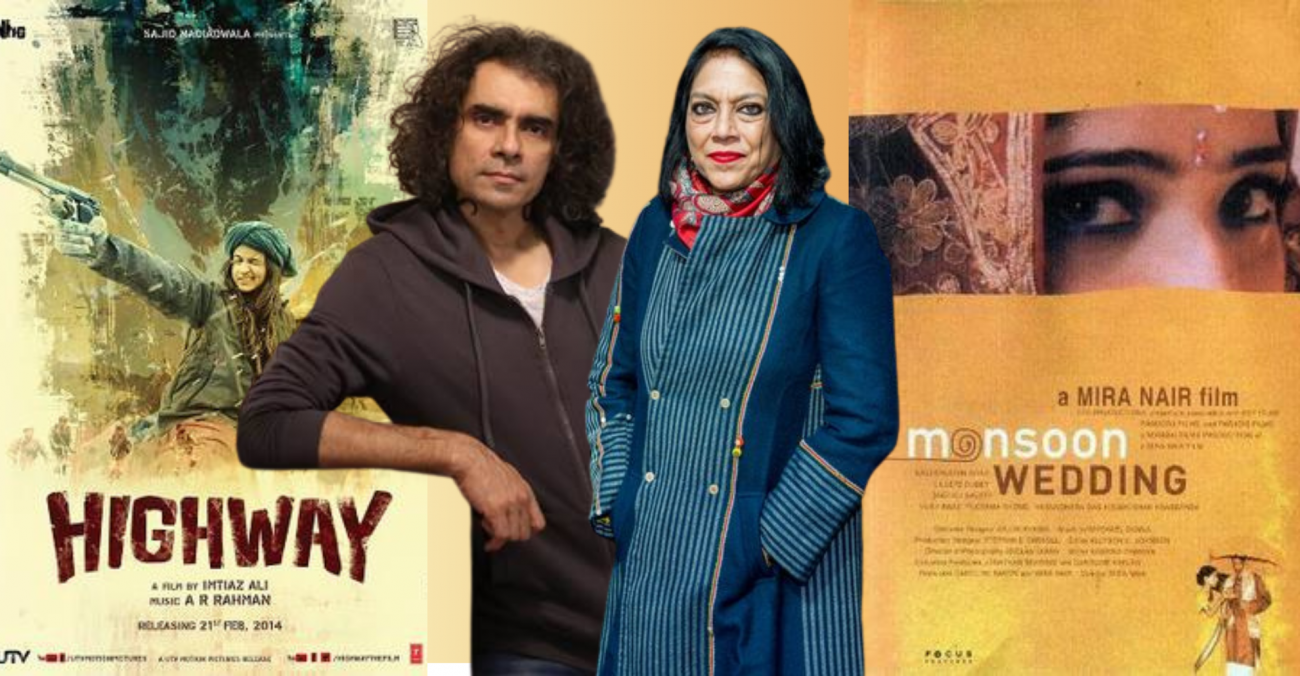
From 'Monsoon Wedding' to 'Highway': The Repressed World of Child Abuse
-
 Loading...
 - Abbas Rahman
- 20 Sep 2022
- 68 Views
- 0 Like
- 0 Comment
From Mira Nair's "Monsoon Wedding" to Imtiaz Ali's "Highway", the chronicle of Hindi cinema has mainly been linear with similar kinds of stories, songs and melodramatic extravaganzas over the years. Nevertheless, it is high time that the country, which is to date wrapped up in archaic societal injustice, discrimination and backdated familial norms, realises the importance of telling stories that have not been heard before.
When Mira Nair's "Monsoon Wedding" was released in 2001, it rocked the boat of traditional Bollywood movies and created history in terms of storytelling. Not only did it show the true nature of complex, difficult and beautiful familial bonds, but it showed on screen how a child can be abused even by a family member and how her whole life, and self-identity can be affected by the incident.
The audiences were shocked; they were uncomfortable, but they knew that this is how real families are, unlike the vivid portrayal of families in mainstream cinemas. The cinema, indeed, has remained a favourite medium of entertainment for generations, but Mira Nair showed how it could also be used as a weapon, a voice or a protest.
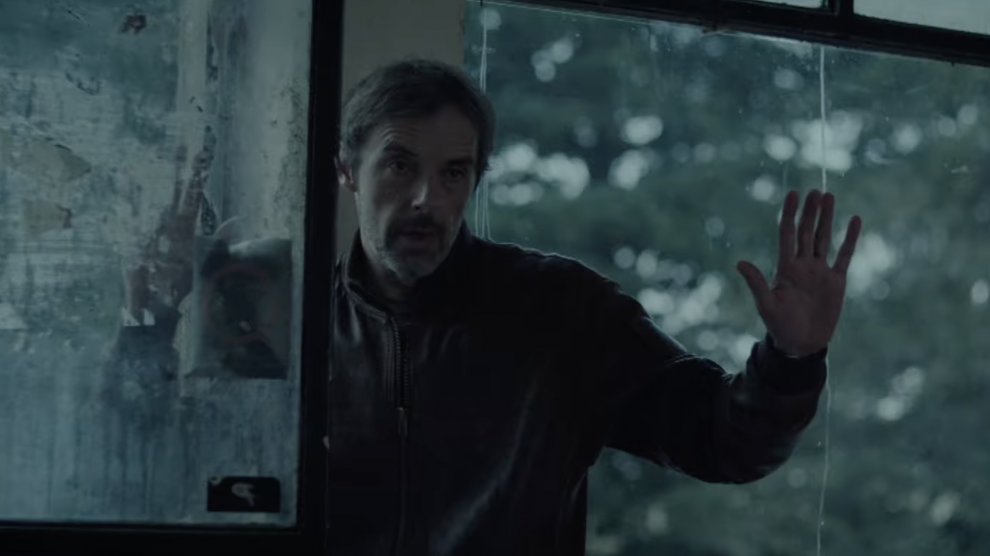
On the other hand, an era later, when "Highway" came out in 2014, it was a calm breather from the flamboyant spice usual Bollywood cinemas contained. A kidnapped girl finding solace in the presence of her kidnapper, with the notion of Stockholm Syndrome, somehow didn't surprise the audience. By the last few scenes, however, they knew exactly why.
Someone who has been abused and silenced right in her home can never be at peace there, so she decides to find comfort and security in the hand of her kidnapper, who in one instant protected her from a sexual abuse incident.
This was pervasively allowed to be spoken about by 2014, but South Asian families still haven't figured out a way to address the layers of pain and strangling beneath it. Read More...