German Supermarkets Accused of Selling "Fake" Honey
-
 Loading...
 - Claire Lavigne
- 02 Jan 2025
- 169 Views
- 0 Like
- 0 Comment
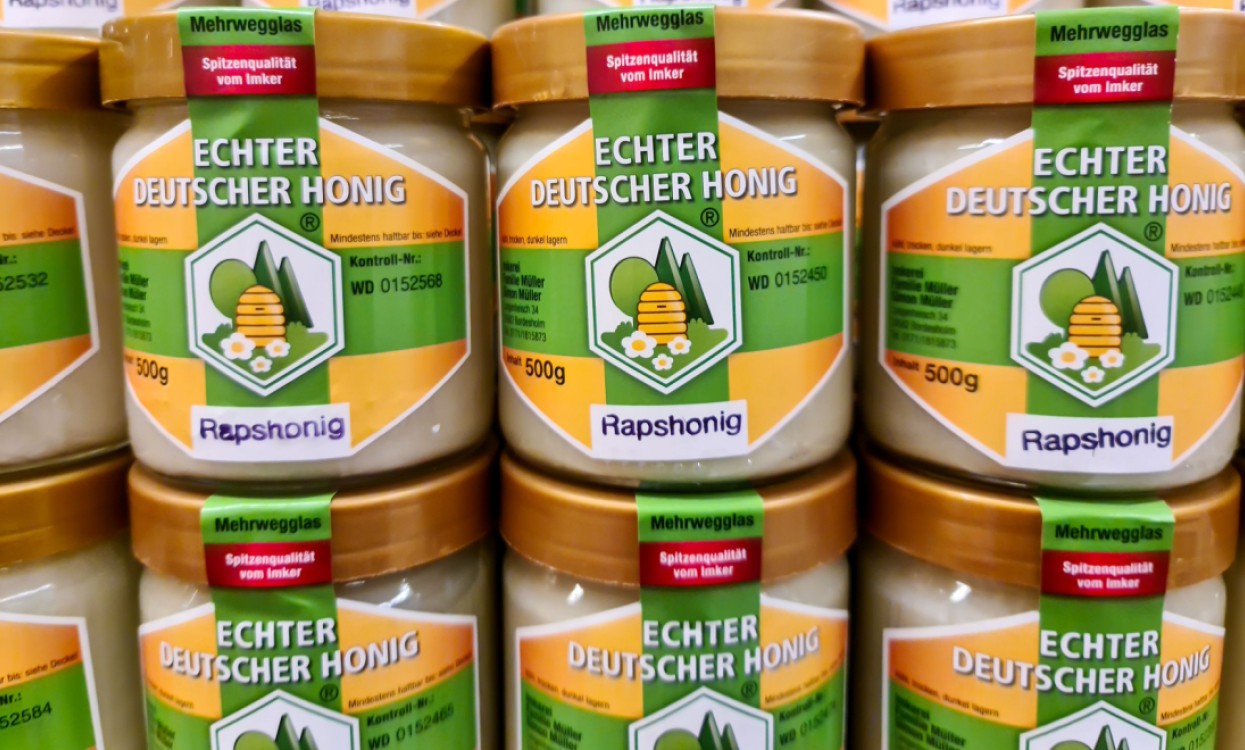
An investigation by the German public broadcaster ZDF has raised serious concerns about the authenticity of honey sold in several major supermarkets, including Lidl, REWE, Penny, and Edeka. The report claims that many honey products available to consumers are "fake," prompting a backlash from the retailers involved.
ZDF's analysis involved testing various honey brands from six different supermarkets, revealing that none of the products were deemed "entirely authentic." According to Germany's Honey Ordinance Law of 2004, honey must be clearly labeled if it contains mixtures of different types of honey or if other ingredients, such as sugar water, have been added. The investigation utilized DNA profiling techniques at specialized laboratories in Estonia and Austria, marking a significant advancement in detecting counterfeit honey. While the testing method has yet to receive formal accreditation, experts believe it is the first effective approach to identifying adulterated honey, as previous methods did not analyze DNA in honey samples.
Among the brands tested were Goldland Blütenhonig (Aldi), Maribel flüssiger Bienenhonig (Lidl), Blütenhonig (Penny), Ja! Blütenhonig (Rewe), Gut & Günstig Blütenhonig (Edeka), Vom Land Blütenhonig (Netto), and Die Flotte Biene (Langnese). The investigation concluded that these products either contained a mixture of honey types or had added ingredients.
In response to the allegations, representatives from the accused supermarkets have strongly defended their products. A spokesperson for REWE, which also operates Penny, stated that the company works closely with suppliers to ensure the authenticity of their honey and has implemented various quality assurance measures. Edeka's representative echoed this sentiment, asserting that recognized authenticity tests had been conducted without any indications of adulteration. Lidl also expressed disbelief at the findings, calling the results "incomprehensible."
Despite the supermarkets' denials, Professor Florian Leese, a biologist and DNA analysis expert, supported the investigation's findings, describing the lab results as "particularly convincing" and trustworthy. This controversy highlights the ongoing challenges in ensuring food authenticity and consumer trust in the quality of products sold in supermarkets. As the debate continues, consumers may become more vigilant about the honey they purchase, seeking transparency and authenticity in their food choices.