Google: The Search Engine That Changed the World

From a Stanford research project to one of the world's most valuable companies, Google has transformed how billions access information daily. Understanding Google's search algorithms, advertising platforms, and tools is now essential digital literacy.
As AI integrates deeper into Google's products, its influence will only grow, making it crucial for businesses, creators, and users to stay informed about Google's evolution.
In the late 1990s, two Stanford University PhD students, Larry Page and Sergey Brin, had an ambitious vision: to organize the world's information and make it universally accessible. Today, Google has become so integral to our daily lives that "googling" has become a verb in multiple languages. With over 8.5 billion searches processed daily, Google dominates the search engine market with approximately 92% market share globally.
What Is Google?
Google is a multinational technology company best known for its search engine, which allows users to find information across the internet within milliseconds. Founded in 1998, Google began as a research project focused on improving how search engines ranked web pages.
Their revolutionary PageRank algorithm evaluated the quality and quantity of links to a page, delivering more relevant results than competitors at the time. Beyond search, Google has evolved into a technology giant offering cloud computing, productivity tools, mobile operating systems, and advertising platforms.
How Google Search Works
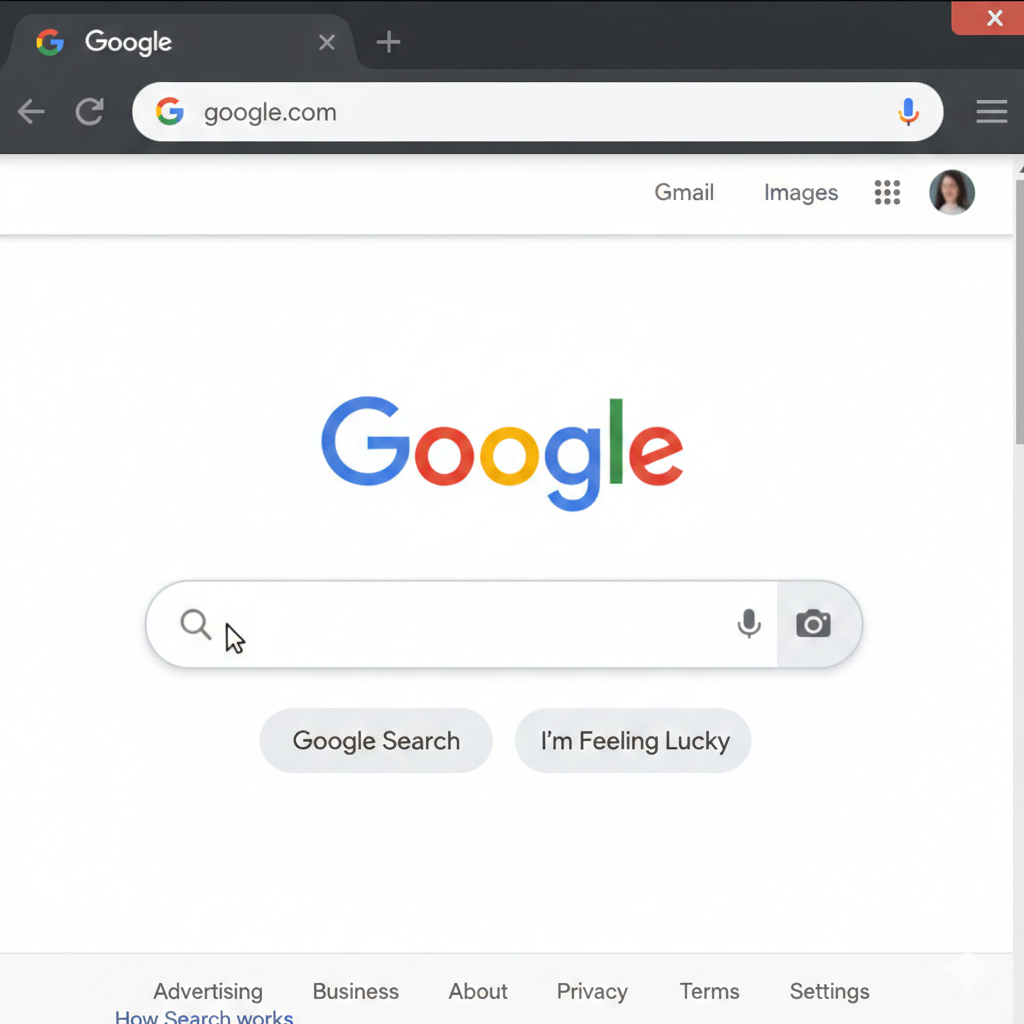
When you type a query into Google's search box, a sophisticated process unfolds in fractions of a second. Google's web crawlers, known as "Googlebots," continuously scan billions of web pages, following links and indexing content. This massive index allows Google to quickly retrieve relevant results when you search.
The search algorithm considers hundreds of factors to rank results, including keyword relevance, page quality, user location, device type, and search intent. Google's algorithm updates regularly, with major updates like Panda, Penguin, and helpful content updates designed to improve result quality and combat spam.
Google now processes everything from simple factual queries to complex questions, voice searches, and image-based searches through Google Lens.
Google's Ecosystem of Products
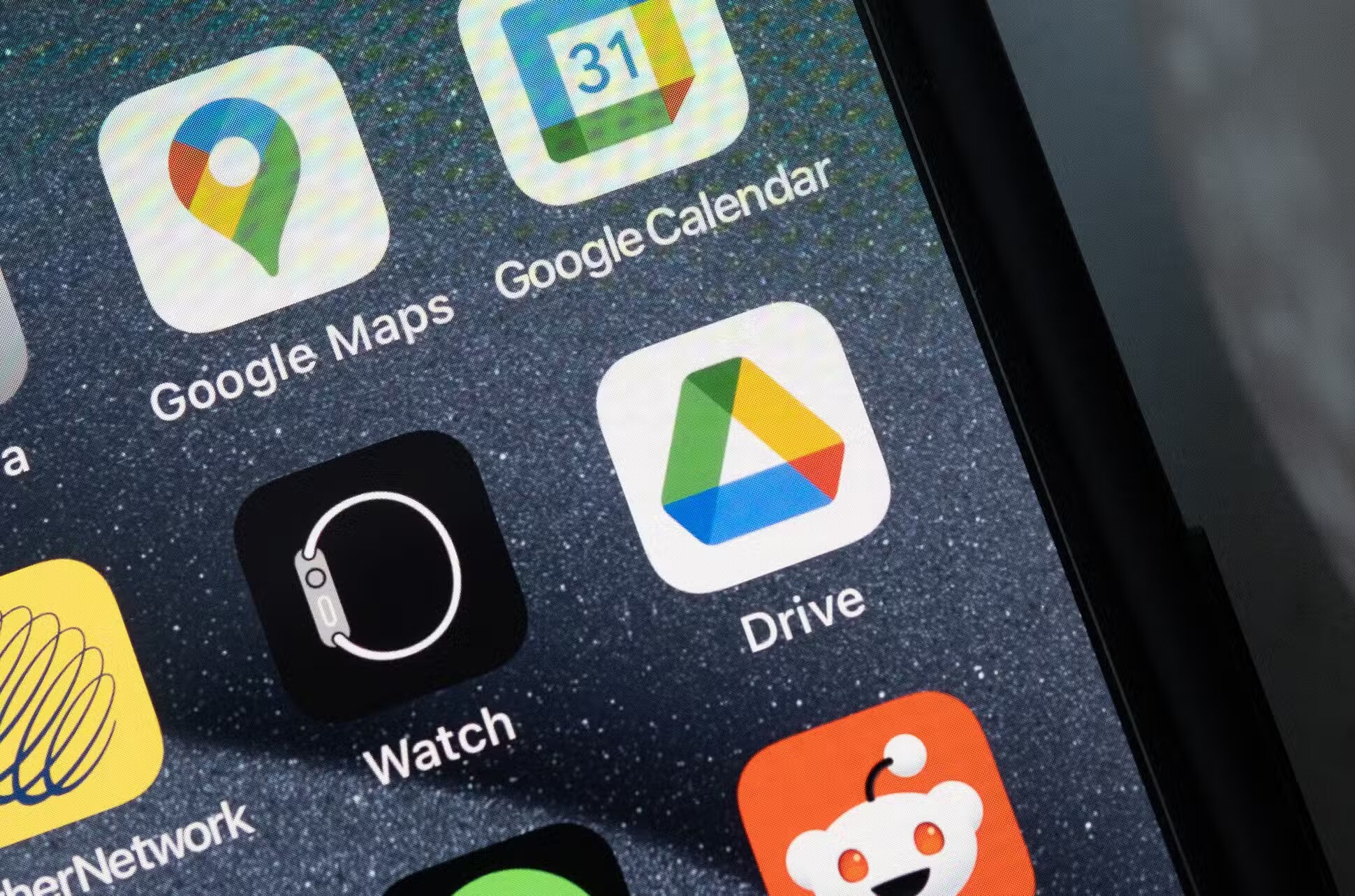
While search remains Google's flagship product, the company has developed an extensive ecosystem of services used by billions daily. Google Workspace includes Gmail, Google Drive, Google Docs, Sheets, and Slides, providing cloud-based productivity tools. Gmail alone has over 1.8 billion active users, making it the world's most popular email service.
Android, Google's mobile operating system, powers over 70% of smartphones worldwide. YouTube, acquired in 2006, has become the second-largest search engine with over 2 billion monthly users.
Google Maps revolutionized navigation with real-time traffic updates, business information, and multi-modal directions. Google Chrome browser holds approximately 65% of the global browser market share.
Google Ads and Digital Marketing
Google's primary revenue comes from advertising through Google Ads (formerly AdWords). This platform allows businesses to display advertisements in search results, websites, YouTube, and mobile apps.
Operating on a pay-per-click model, advertisers bid on keywords relevant to their business, with ads appearing above or below organic results marked as "Sponsored."
Search Engine Optimization for Google
Since Google controls the vast majority of search traffic, SEO has become crucial for online presence. SEO involves optimizing websites and content to rank higher in organic search results. Effective SEO requires quality content, technical optimization for fast loading and mobile compatibility, and backlinks from reputable websites.
Google's algorithms increasingly prioritize helpful, authoritative content that satisfies user intent, emphasizing Experience, Expertise, Authoritativeness, and Trustworthiness (E-E-A-T).
Privacy and Data Collection
Google's business model relies on data collection, tracking search history, location, browsing habits, and interactions to deliver personalized experiences and targeted advertising. This has raised privacy concerns, leading to scrutiny from regulators worldwide.
The European Union has fined Google billions for competition law violations. In response, Google introduced privacy features like incognito mode and enhanced controls.
Google's Impact on Information Access
Google has fundamentally changed how humanity accesses information. Before Google, finding specific information required knowing exact websites or navigating directories. Google made information retrieval intuitive and instant, democratizing access to knowledge. This has profoundly affected education, research, and everyday decision-making, though it also raises concerns about information gatekeeping.
Conclusion
From a Stanford research project to one of the world's most valuable companies, Google has transformed how billions access information daily. Understanding Google's search algorithms, advertising platforms, and tools is now essential digital literacy.
As AI integrates deeper into Google's products, its influence will only grow, making it crucial for businesses, creators, and users to stay informed about Google's evolution.