Greece faces backlash over joint World Cup bid with Saudi Arabia, Egypt
-
 Loading...
 - Hannie Prinsen
- 16 Sep 2022
- 63 Views
- 0 Like
- 0 Comment
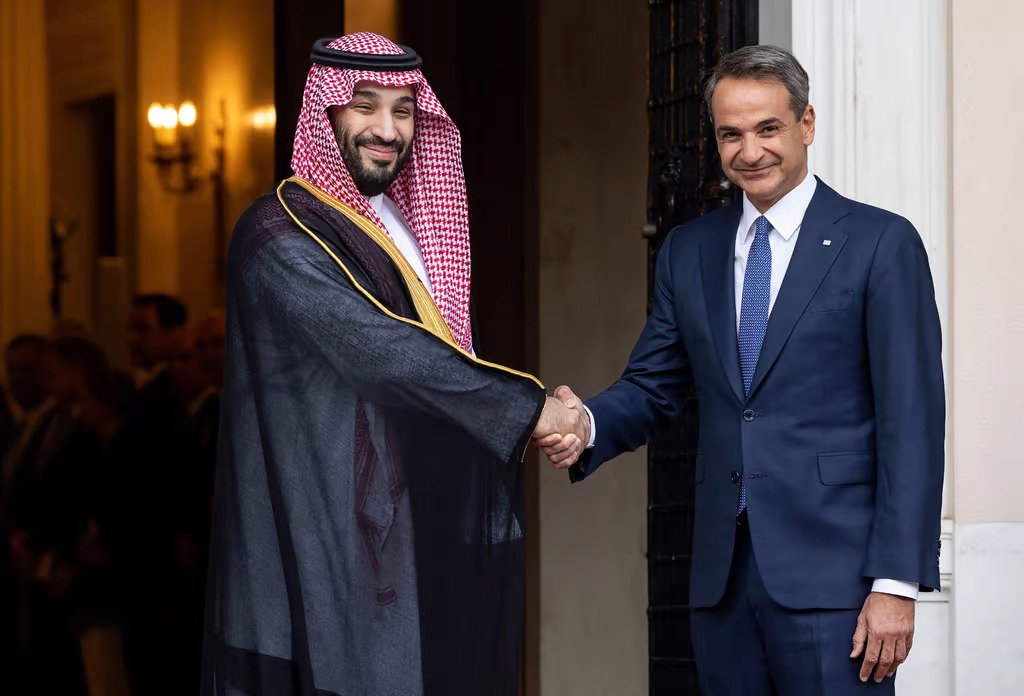
Greece faces a growing backlash over a planned joint bid with Saudi Arabia and Egypt to host the 2030 football World Cup.
The mooted bid would see Greece team up with two countries that have been widely condemned by human rights groups for a raft of abuses, including discrimination against women, brutal treatment of manual workers, and the torture — and even murder — of critics.
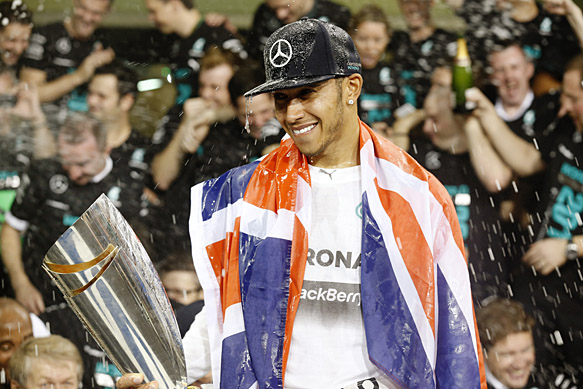
Over the past few years, Saudi Arabia has made big moves into the sports world. It has snapped up hosting rights to Formula One races and world championship boxing bouts, created a controversial golf tour that has fractured the sport, bought an English Premier League football team — and is now setting its sights on one of the crown jewels of global sport, the FIFA World Cup.
The presence of Greece and Egypt in the Saudi-fronted bid is a nod to continental balance, as the Middle East would not be front of the line for the 2030 event as it is hosting this year’s World Cup, which begins in November in Qatar (another controversial host). The bidding process for the 2030 tournament — which includes a human rights evaluation component — has not yet officially opened.
As part of a joint bid for the 48-team tournament in 2030, Greece would be subject to serious scrutiny of its own human rights record, particularly related to the treatment of migrants, as well as being “associated with whatever human rights abuses Saudi Arabia and Egypt commit in the course of hosting the World Cup,” said Minky Worden, director of global initiatives at Human Rights Watch.
Worden added that Saudi Arabia’s maneuvers around global athletic events were part of Riyadh’s “pernicious” sportswashing strategy, where unsavory regimes attempt to launder their reputations by associating with glamorous and popular sporting events and stars.
Saudi Arabia has come under fire for jailing a woman for 34 years for using social media, its ongoing repression of the country’s LGBTQ+ community, and the 2018 murder of journalist Jamal Khashoggi inside the Saudi consulate in Istanbul, which Worden said “stands forever as an emblem of the Saudis’ treatment of peaceful critics and journalists.” Read More...