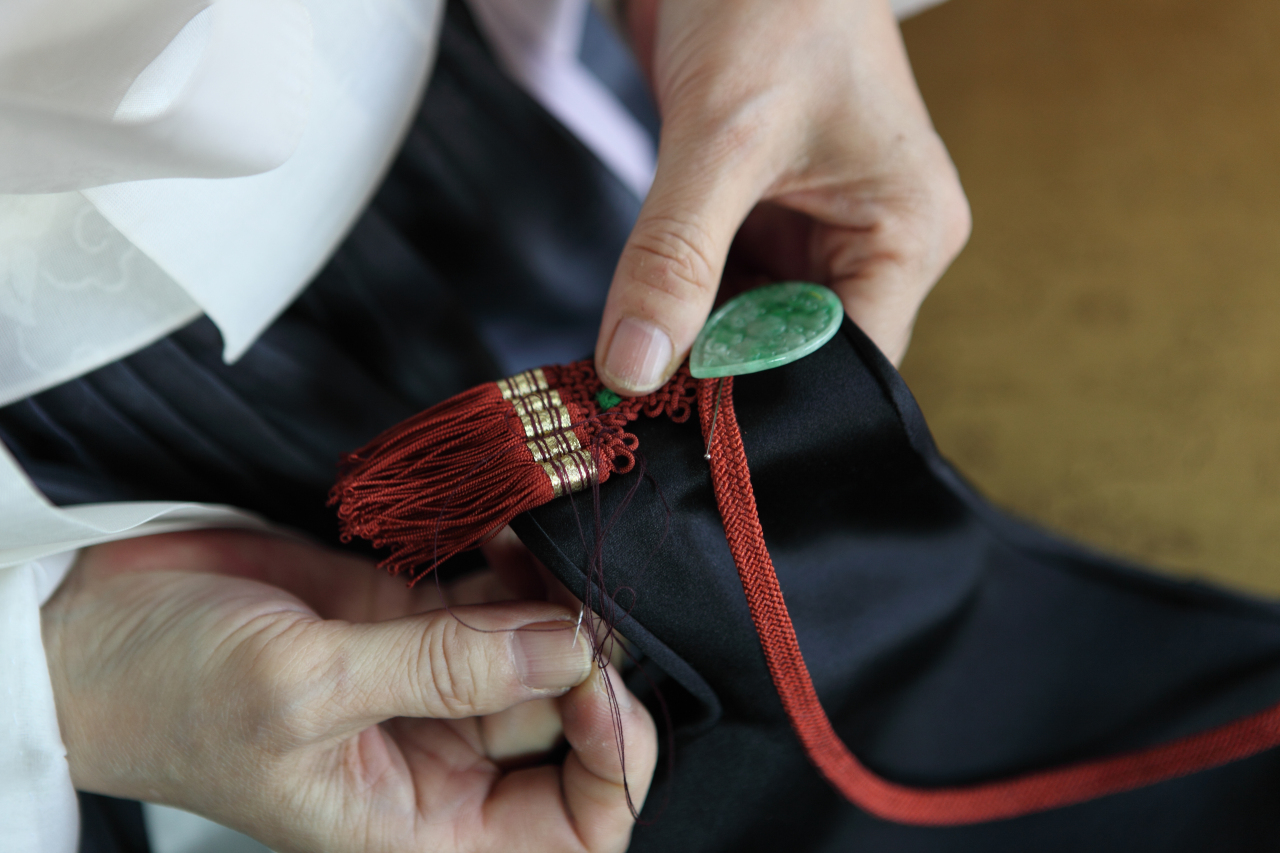
‘Hanbok saenghwal' joins National Heritage list
-
 Loading...
 - Minato Fuji
- 21 Jul 2022
- 99 Views
- 0 Like
- 0 Comment
Hanbok saenghwal -- a series of cultural practices which encompass the whole experience of making, wearing and enjoying hanbok -- made it to the National Intangible Cultural Heritage list, the Cultural Heritage Administration announced Wednesday.
The Intangible Cultural Heritage Committee decided to finalize the official name as “hanbok saenghwal” instead of its provisional title, “hanbok wearing,” announced earlier in March, considering the name to be a better rep[resentation of hanbok culture as a whole.
There are several reasons why “hanbok saenghwal” has been listed as a heritage. First, it is a culture passed down for generations throughout the peninsula, with records found from historical artifacts and documents dating back to the Goguryeo period (37 B.C.- A.D. 668).
There are ongoing extensive studies into the practice, which is still enjoyed by many today. Also, the listing will help to keep a record of the culture and knowledge of the tradition.
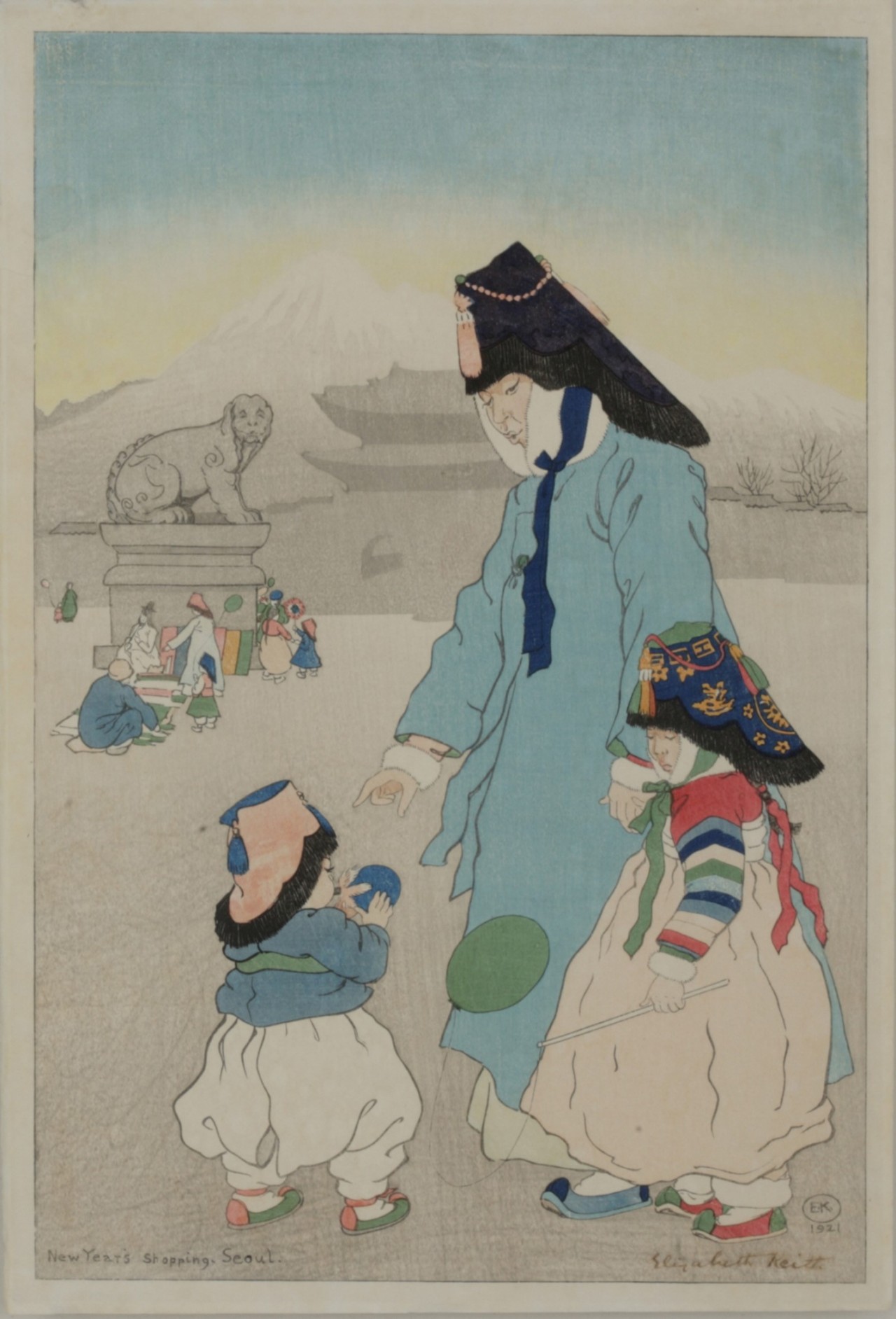
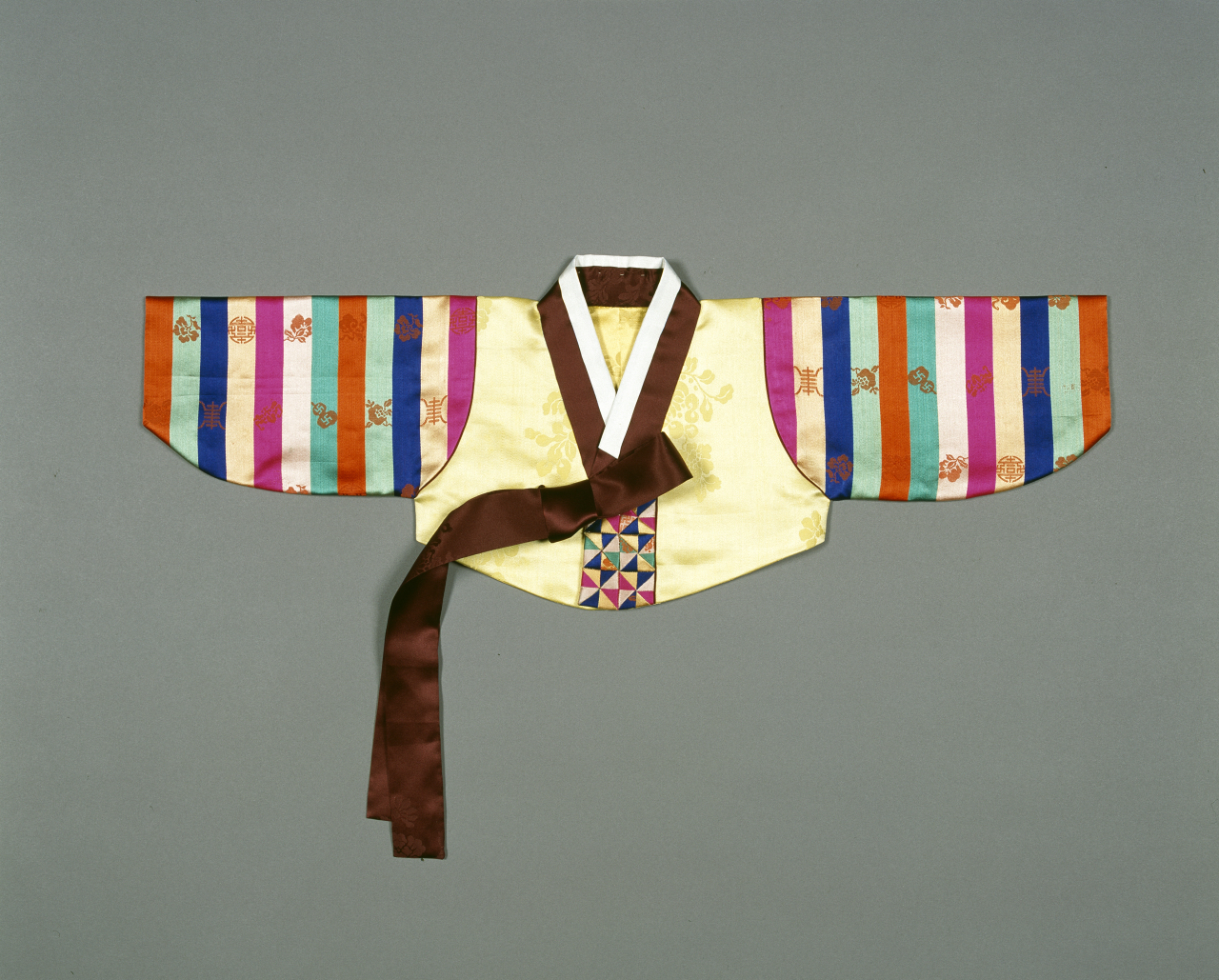
Hanbok consists of jeogori, the top, and chima, the skirt or baji, trousers. The otgoreum -- ribbon knotted to close the jeogori -- is tied to complete the look.
Hanbok is worn on various occasions, such as ancestral ceremonies, traditional holidays, funerals, weddings and recreational events.
On traditional holidays, Koreans would get new fabric and make hanbok, wishing for the good health and well-being of their families. Such customs are called Seolbim, Chuseokbim and Danobim for Seollal, Chuseok and Dano, respectively. Read More…


