
Have pandemic anger management issues? How to keep your cool for your health's sake

You’re frustrated. He’s boiling mad. And she just wants to kill someone (figuratively speaking). Everyone is on edge these days, going by the news reports we’ve read about altercations with security guards, healthcare workers being verbally abused, road bullies caught on camera and hot soup being flung for getting an order wrong.
We just can’t seem to let things go. You’d have thought that after two years of living with fluctuating COVID-19 numbers and ever-changing rules, we’d have learned to go with the flow. Apparently not.
Trying situations where patience is tested and tempers flare are aplenty in our daily lives. They don’t make it onto the news or social media platforms but that doesn’t mean they don’t occur. You know those triggers: The person who blasts videos on his handphone speaker; the one who cuts your queue, then feigns ignorance; rude email or text replies; drivers who drive like they own the road… the list goes on.
CAUSES OF PANDEMIC RAGE
The question is, are we becoming more impatient because of the pandemic? Have COVID-19-related restrictions added fuel to our already short fuse?

Such behaviour isn’t new pre-pandemic, said Dr Lim Boon Leng, a psychiatrist from Gleneagles Hospital’s Dr BL Lim Centre For Psychological Wellness. What is new, though, is the way we have developed socially.
“We have taken a more obey-the-rules or ‘law by law’ approach, rather than a graceful or empathetic one,” he said. “This results in us not putting ourselves in other people's shoes. We get easily riled up and feel that great injustice has befallen us when people don't follow the rules and get in our way.”
He continued: “However, many rules in society are not in black and white, and are simply unspoken norms. Some people may be unaware of these rules and some may just outright not agree to adhere to them”.
Take road rage, for instance, said Kayden Sharon Perera, a counsellor and psychotherapist at Talk Your Heart Out. It was already an issue before COVID-19 but “the pandemic has certainly induced more of such bad behaviour and road rage incidents”.
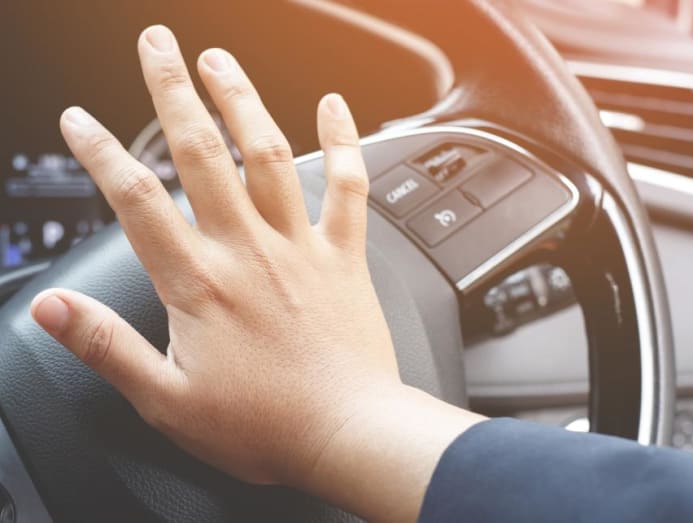
“People are under pressure and angry about a number of things and situations, and driving is a perfectly designed situation to cause anger,” she said.
“Because people are heading towards somewhere purposefully, when they get cut off by reckless drivers, they feel that their safety is being threatened or their lives have been made even more difficult by such behaviour. As such, they react with anger as a way to deal with the anxiety it has provoked,” said Perera.
She continued: “The underlying stress, isolation and trauma during the pandemic are impacting on everyday life and people are not being patient and kind with themselves and each other at the moment, which is influencing how they behave”.
Dr Lim also opined that becoming a better-educated society may have a backfiring effect. “I feel that we have developed a strong sense of self entitlement and a ‘I know better’ attitude as we become a better educated society, be it with regards to whether people should give way to us or act according to what we deem to be the correct behaviour.”
BOTTLING ANGER
Most of us would dart a couple of dirty looks in the offender’s direction or let go of a “tsk” or two at the most. “By and large, most people will tolerate and forget about the anger, and there are few consequences,” said Dr Lim.
However, if you remain angry all the time and do not process the emotion, the consequences are on you. The resulting stress “can lead to insomnia, feelings of anxiety, and physical symptoms such as tension, bruxism and palpitations”, he said.
“Anger can also elevate your blood pressure. Studies showed that after an anger outburst, the person’s risk of chest pain, heart attack, dangerous irregular heart rhythm and even stroke is increased for a couple of hours.”
It is something to think about before you let the situation get to you. And the damage doesn’t stop there. Bottling up negative emotions such as anger and anxiety can place muscles under constant tension, said Perera. “If this constant tension is not let out or dealt with, it can lead to chronic pain and could lead to the development of mental health conditions.” Read More…