Headshot Photography Tips
-
 Loading...
 - Dammy Paul
- 09 Jun 2022
- 262 Views
- 0 Like
- 0 Comment
Headshots are used on business cards, on personal and business websites, in advertising, as a place card for talent, and for a whole lot more.
In fact, a great headshot can be used for just about anything, so I thought some very basic headshot photography tips would be welcome by any photographer wanting to try out this method of portraiture.
What Is Headshot Photography?
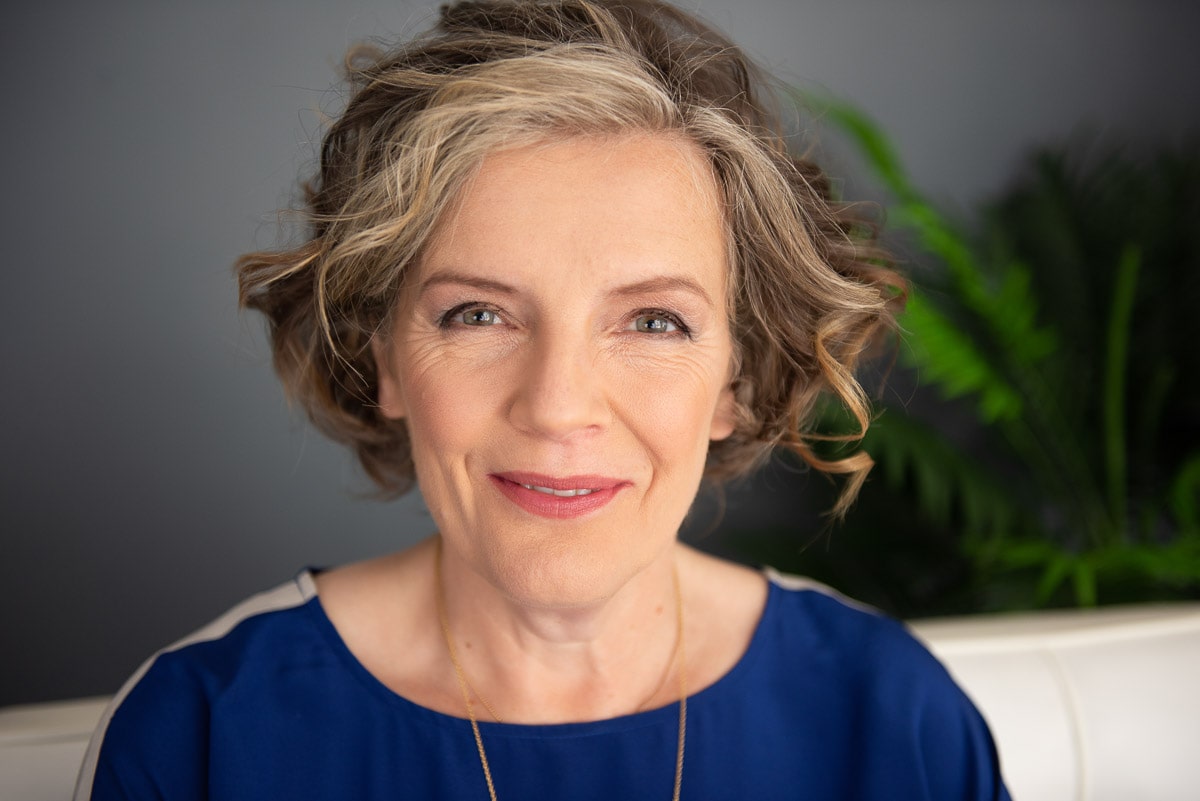
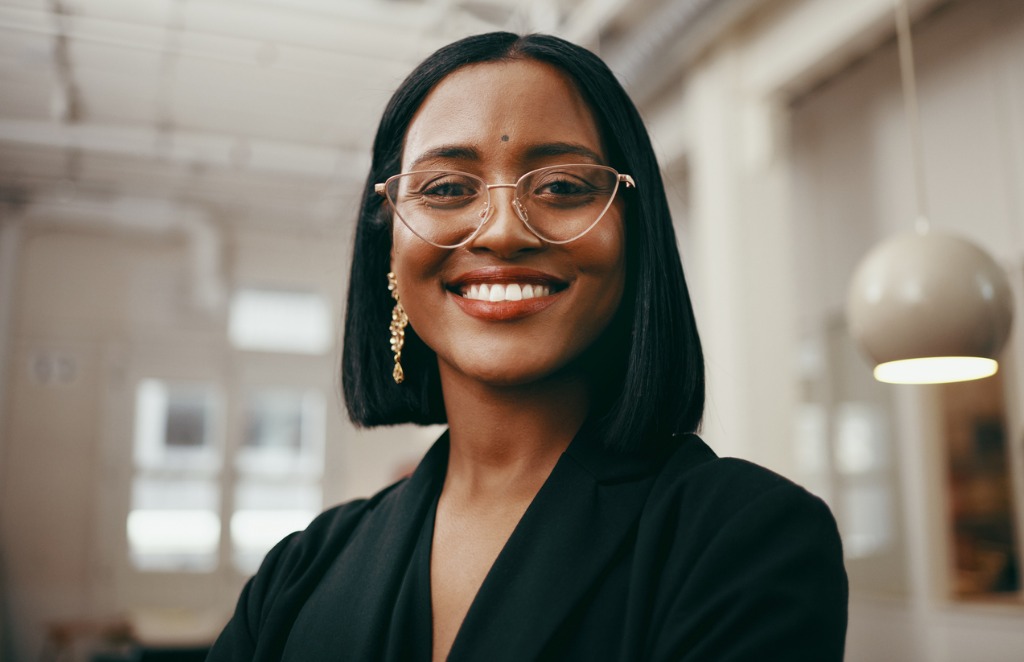
Headshot photography is pretty much exactly how it sounds. It’s a portrait of a person emphasizing their head. Well, head and shoulders, actually, but emphasizing the face. It shows who the person is, an instantly recognizable pose saying, “Here I am.”
However, it isn’t simply a static picture of a person. At its best, headshot photography is an artistic version of the reality of the person. So, some tips for headshot photography will help out any photographer wanting to try out this style of portrait photography.
My Top 5 Headshot Photography Tips
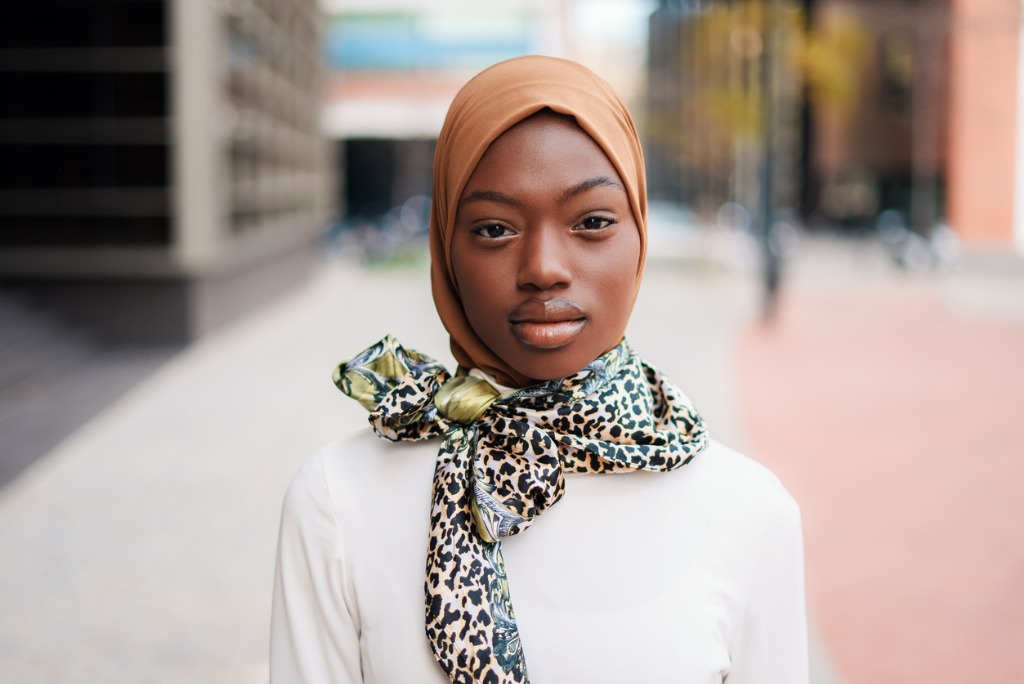
We could talk all day about all the nuances of technique, posing, lighting, exposure, and post-processing in regards to headshot photography. To get us started, here are my top 5 headshot photography tips:
· Talk It Out
· Choose the Right Clothes
· Separate the Subject from the Background
· Flattering Lighting Headshot Photography Tips
· Cropping Headshot Photography Tips
Talk It Out

Any portrait photoshoot should begin with a conversation between the photographer and the subject. This accomplishes things on both sides of the discussion. For you as a photographer, it gives you an opportunity to find out what the person really wants out of the session, an important aspect of headshot photography tips.
Do they want to use the headshot photography images on business cards? If so, a very clear image is usually better than anything overly artsy or dramatic. Or is it going to be used in a website “About Us” page? Then a more artfully designed headshot may be in order.
This is also your opportunity to show your previous work, and perhaps talk about using the session for other styles of portrait photography. As a working professional, this could also gain you some extra sales of hard copy portraits, such as a nice canvas print.
If you’re not charging for the headshot photography, it still works as one of the more important headshot photography tips to talk about the session ahead of time. A model release or a contract is a good idea either way, spelling out that you can use the images for your own promotion, or establishing clear limits on what either you or the subject can do with the images after delivery.
Choose the Right Clothes
“Clothes make the man” (or woman) is the saying, it is especially true with regards to headshot photography. You would likely be discussing this in your pre-session conversation, but I like to separate these two headshot photography tips.
Since this is headshot photography, we want the clothing to accentuate the images, not overpower them or distract from the person. With that in mind, we still have many options available for styles and colors of clothing.
Sometimes, the clothing may be an essential part of the image telling the viewer about the person. A uniform may immediately tell us that the headshot photography subject is a chef, a doctor or nurse, a member of the armed forces, a part of a sports team, an entertainer, a service provider, or any other vocation or avocation that can be readily discerned by clothing choices.
Regardless of the color, style, or other aspects of the clothing, it should be clean and pressed. Otherwise, it could detract from the headshot as viewers may be distracted from the person by the condition of the clothing.
Separate the Subject from the Background
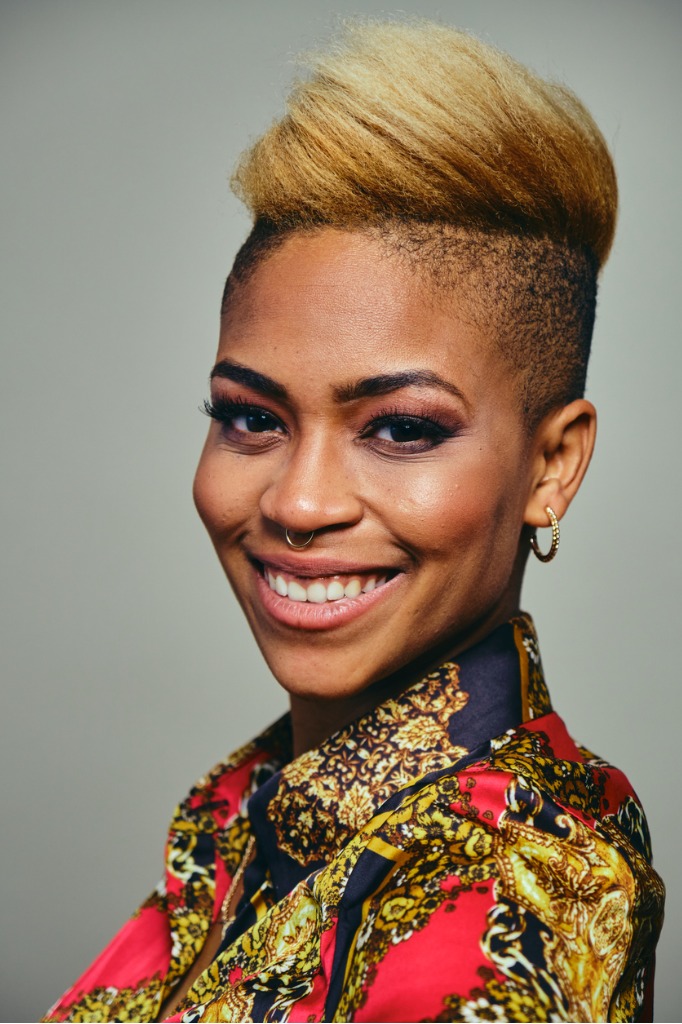
This is one of the headshot photography tips that will include some equipment options as well as our photographic skills and techniques. There are several ways we can separate the subject from the background: lens choice, aperture, lighting, and post-processing.
A short telephoto lens is the first choice of many headshot photographers. It provides a good, tight framing of the person’s head and shoulders from a moderately close distance, it gives an apparent perspective that is pleasing for human faces, and it is a simple job to open up the aperture a bit to have shallow depth of field.
That aperture will be a prime consideration for separation. At a moderately close distance, a short or medium telephoto lens will have the shallow depth of field for the selective focus technique even if you stop down a bit from wide open. In Full Frame format, lenses from about 85mm up to 135mm are likely to give you the focus separation you want.
Another way to separate the subject from the background is to use contrast control and color control. A well-lit subject against either a substantially brighter or darker background will achieve good separation. Both contrasting colors and complementary colors can be used effectively, depending on just how much separation you want. Read More…