Here's How Our Diet Would Change In The Wake of a Massive Asteroid Strike
-
 Loading...
 - Anthony Morgan
- 02 Mar 2023
- 63 Views
- 0 Like
- 0 Comment
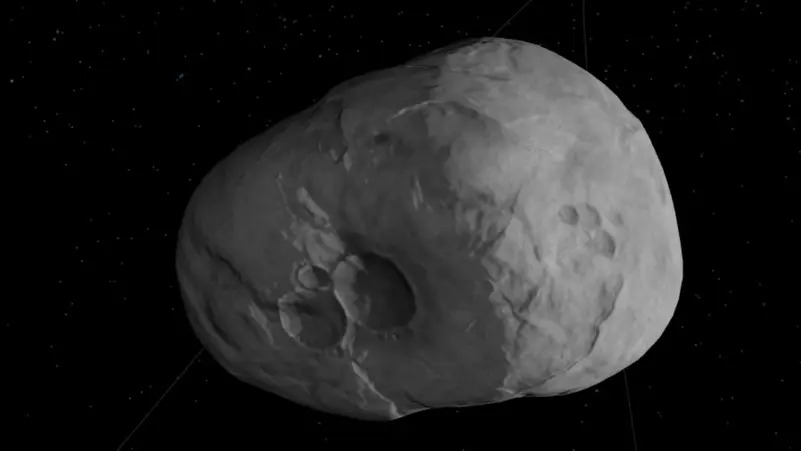
An asteroid plummeted through Earth's atmosphere and crashed into the sea floor about 66 million years ago, causing an explosion over 6,500 times more powerful than the nuclear bomb the US dropped on Hiroshima.
The impact sent clouds of debris and sulfur into Earth's atmosphere, blocking the Sun's light and warmth for about two years. Photosynthesis ground to a halt, which meant no more plant growth. The surviving dinosaurs starved to extinction.
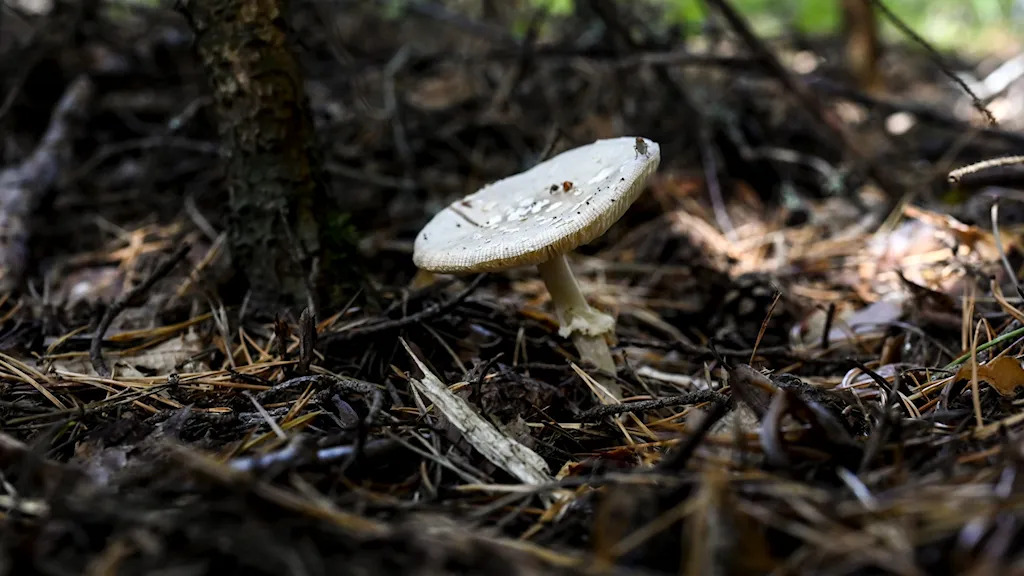
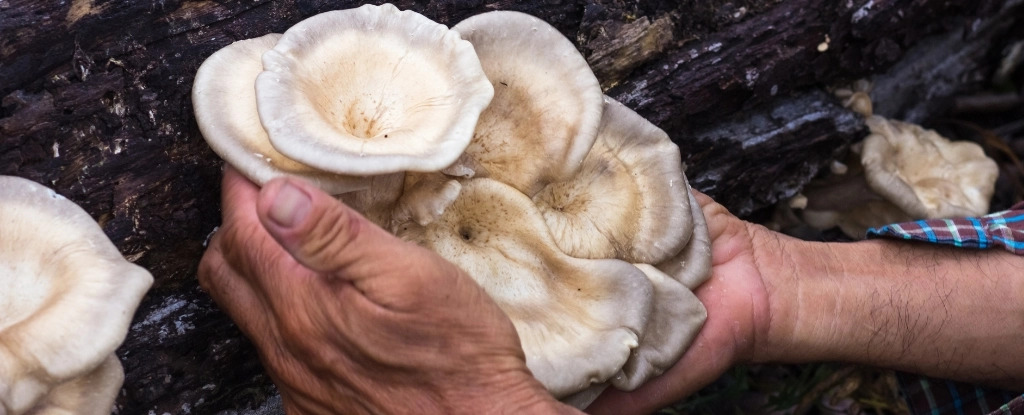
But fossil records show that fungi thrived in the aftermath.
According to science journalist and Vox editor Bryan Walsh, that makes mushrooms crucial for human survival if such an apocalyptic event were to occur in the future.
Walsh's 2019 book End Times examines how catastrophic events, both natural and human-made, threaten our existence. In it, he points out that three types of potential catastrophes – asteroid impacts, supervolcano eruptions, and nuclear war – all have one thing in common: they could block the sunlight needed to feed plants.
"Blot out the Sun, and even the best-prepared survivalist, a master of the wilderness, will starve to death along with everyone else," Walsh writes in the book.
In order to survive, he says, people would need to adopt sunlight-free agriculture – cultivating mushrooms, rats, and insects. Read More…