Here’s why the moon must get its own time zone
-
 Loading...
 - Bright Larbi
- 14 Jun 2023
- 64 Views
- 0 Like
- 0 Comment
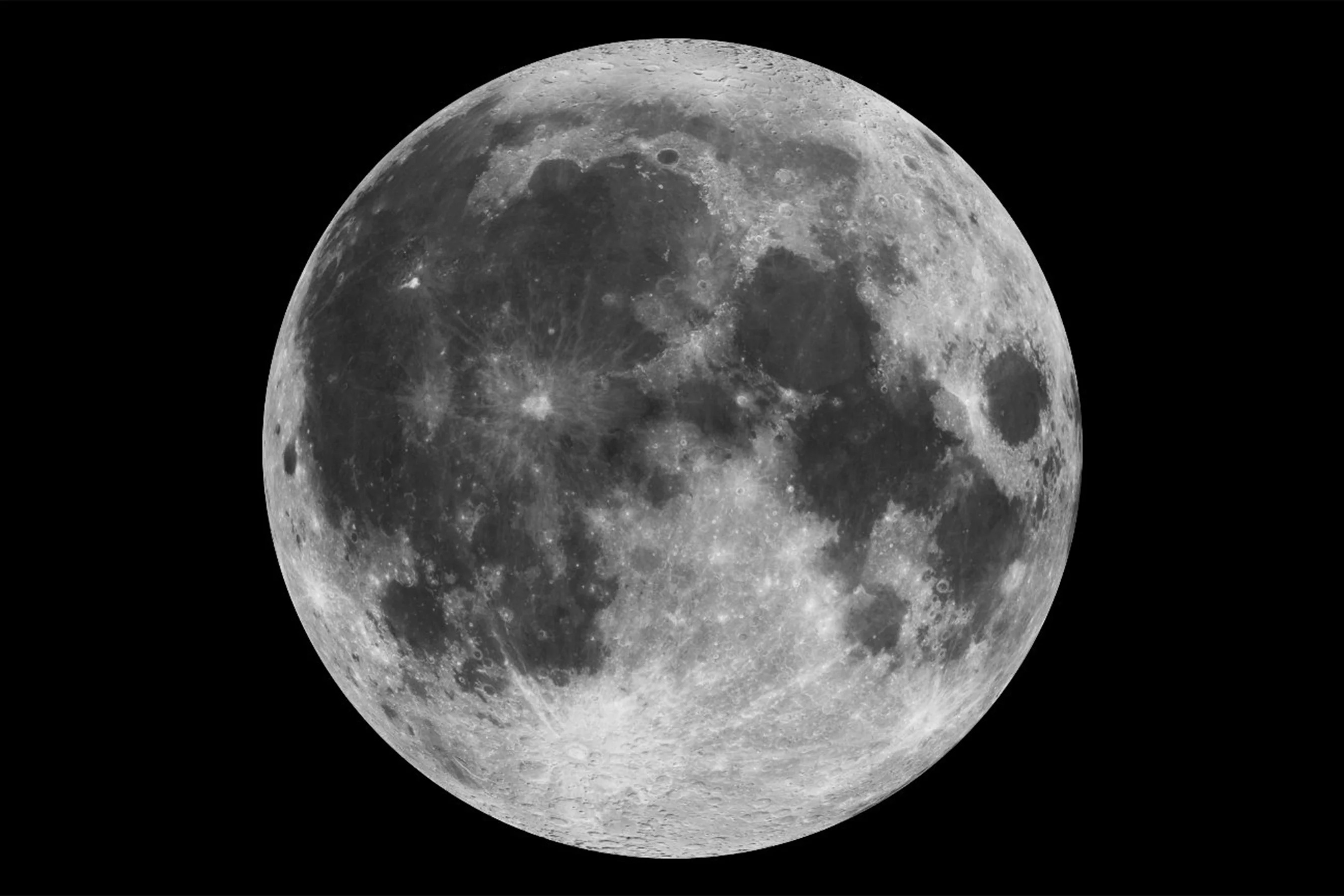
The moon, Earth's natural satellite, has captivated humanity for centuries. Its beauty and mystery have inspired countless poets, scientists, and dreamers. While we have made significant advancements in our understanding of the moon, there is one aspect that remains unexplored: its own time zone. In this article, we will delve into the reasons why the moon should have its own time zone and the implications it would have on space exploration, scientific research, and human curiosity.
The Importance of Time Zones
Before we discuss why the moon should have its own time zone, let's first understand the significance of time zones on Earth. Time zones were established to standardize time measurement across different regions of the world, ensuring coordination and synchronization for various activities such as travel, commerce, and communication. They help us make sense of our daily lives and facilitate global interactions.
Challenges of Earth-based Timekeeping on the Moon
The moon's unique characteristics and its distinct relationship with Earth pose several challenges to timekeeping. One of the main obstacles is the moon's rotation and revolution patterns. Unlike Earth, which completes one rotation on its axis every 24 hours, the moon takes approximately 27.3 days to complete a full rotation. This fundamental difference in rotational period creates a discrepancy when trying to apply Earth-based timekeeping systems to lunar activities.
Additionally, the moon's orbit around Earth affects its illumination, resulting in extended periods of daylight and darkness. Lunar days and nights last approximately 14 Earth days each, making it impractical to adhere to Earth's 24-hour time format. By establishing a dedicated time zone for the moon, we can better align time measurements with the moon's unique characteristics.
Benefits of a Lunar Time Zone
Enhanced Space Exploration
Creating a time zone specifically for the moon would greatly benefit space exploration missions. Astronauts and scientists operating on the lunar surface would be able to synchronize their activities and establish a more efficient schedule. With a dedicated time zone, mission planning and execution would become more precise, leading to enhanced productivity and better utilization of resources.
Improved Scientific Research
The moon's time zone would provide researchers with a standardized framework for conducting experiments and analyzing data. By aligning time measurements with the moon's rotation and illumination patterns, scientists can establish more accurate timelines for their studies. This alignment would lead to a better understanding of lunar phenomena and contribute to the advancement of lunar science.
Enhanced Communication and Collaboration
A dedicated lunar time zone would facilitate communication between astronauts on the moon and mission control centers on Earth. By synchronizing time measurements, real-time data transmission and decision-making processes would become more efficient. This synchronization would also enable seamless collaboration between international space agencies, fostering a spirit of cooperation and unity in lunar exploration endeavors.
Stimulating Public Interest and Curiosity
The establishment of a lunar time zone would capture the public's imagination and generate increased interest in space exploration. As humans venture further into the cosmos, our connection with celestial bodies like the moon becomes even more significant. A lunar time zone would symbolize our commitment to exploring and understanding the universe, inspiring future generations to pursue careers in science, technology, engineering, and mathematics (STEM).
As we continue to push the boundaries of space exploration, it becomes essential to adapt our timekeeping systems to the unique characteristics of celestial bodies like the moon. By granting the moon its own time zone, we can optimize scientific research, improve space mission planning, and ignite the curiosity and imagination of people around the world. The establishment of a lunar time zone is not merely a technical endeavor but a symbol of human progress and our unwavering desire to unravel the mysteries of the universe.