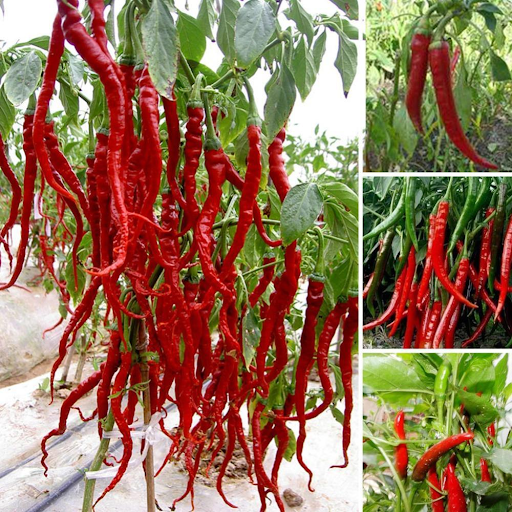
Hot Chili Pepper Seeds for Beginners: Tips for First-Time Growers
-
 Loading...
 - Seeds World
- 21 Nov 2024
- 42 Views
- 0 Like
- 0 Comment
In this blog, we’ll guide you through essential tips and tricks for growing hot chili peppers successfully and discuss how to access quality seeds, including the option to buy flower seeds online for a more diverse garden.
Growing your own hot chili peppers can be a rewarding experience, especially for those who enjoy the spicy kick that these vibrant vegetables bring to the table. Whether you're looking to add some heat to your meals or simply enjoy cultivating your own garden, starting with hot chili pepper seeds can be an exciting challenge for beginners. In this blog, we’ll guide you through essential tips and tricks for growing hot chili peppers successfully and discuss how to access quality seeds, including the option to buy flower seeds online for a more diverse garden.
Why Grow Hot Chili Peppers?
Hot chili peppers come in a range of varieties, from mild to fiery hot, and they thrive in various climates, making them an appealing option for gardeners worldwide. With the right knowledge and care, anyone can start growing these plants from seed. Not only do they add flavor and spice to your dishes, but they can also serve as an attractive addition to your garden with their colorful fruits and vibrant flowers.
However, before you dive into planting, it’s important to understand some key factors that will contribute to a successful growing experience. Below, we’ll cover the essential aspects of chili pepper cultivation for first-time growers.
Choosing the Right Chili Pepper Variety
The first step to successful chili pepper cultivation is selecting the right variety. Beginners often opt for milder peppers like jalapeños, banana peppers, or anaheim chilies, which are easier to grow and handle compared to their hotter counterparts. If you’re ready for more heat, consider growing varieties such as habaneros or ghost peppers, but be prepared for a more intensive growing experience.
While the heat level is an important factor, you should also consider the size of the plant, its growing season, and the space available in your garden. Some chili pepper varieties grow tall, while others are more compact. Do your research and select a type that fits your gardening space and personal preference.
Starting Seeds Indoors
Just like some flower seeds online, chili peppers are sensitive to temperature and need warmth to germinate. Therefore, starting seeds indoors is a great way to give them a head start. Begin by planting your seeds about 8-10 weeks before the last expected frost date in your area. Use seed trays, small pots, or biodegradable seed pods to start your seeds.
Ensure that your seeds are kept in a warm environment—ideally, between 70-85°F (21-29°C). Using a seed heat mat can help maintain the necessary warmth. You should also provide adequate light to your seedlings. If natural sunlight is insufficient, consider using grow lights to simulate the sun and promote healthy growth.
Soil and Planting Tips
Hot chili peppers require well-drained, fertile soil with a slightly acidic to neutral pH level (6.0-7.0). You can find high-quality soil at garden centers, or you can mix your own using a combination of potting soil and compost to enrich the soil with essential nutrients.
When planting chili pepper seeds, sow them about ¼ inch deep. Be sure to water the soil gently to keep it moist, but avoid over-watering as chili peppers prefer slightly drier soil once they’re established. Over-watering can lead to root rot, which can harm your plants.
As your seedlings grow, thin them out by removing weaker plants to ensure enough space for the healthy ones to thrive. Transplant the seedlings into larger pots if necessary, but make sure they have ample space to develop a strong root system before moving them outdoors.
Transplanting Outdoors
After the last frost, and once your chili pepper plants have grown strong enough, you can begin to harden them off by gradually exposing them to outdoor conditions. This step helps acclimatize the plants to outdoor temperatures and ensures a smoother transition.
When transplanting to the garden, choose a sunny location with well-drained soil. Chili peppers require full sun, at least 6-8 hours per day, to produce high-quality fruit. Plant the seedlings about 18-24 inches apart to give them enough space to grow and flourish.
Watering and Feeding
Watering is crucial to the health of your chili pepper plants. Keep the soil consistently moist, but avoid waterlogging. The best practice is to water at the base of the plant rather than overhead to prevent fungal diseases. Ensure the soil is well-drained to avoid root rot.
Additionally, chili peppers benefit from regular feeding. You can use a balanced fertilizer or one specifically designed for vegetables. Organic fertilizers like compost or fish emulsion are excellent options for providing the plants with the nutrients they need to grow healthy and strong.
Harvesting Your Peppers
Chili peppers typically take 70-100 days to mature, depending on the variety. You’ll know they’re ready for harvest when they reach their full size and color. Harvesting can be done by cutting the peppers from the plant with scissors or pruning shears, leaving a small portion of the stem attached to avoid damaging the plant.
If you want to extend your harvest season, you can harvest the peppers while they’re still green. However, allowing them to ripen fully on the plant will result in the most flavorful and spicy peppers.
Conclusion
Growing hot chili peppers from seed is a fun and rewarding experience, but it requires attention to detail and care. By selecting the right variety, starting your seeds indoors, providing proper soil, water, and light, and following through with outdoor transplanting, you’ll be well on your way to a bountiful pepper harvest. Remember, gardening can be a learning experience, and the more you grow, the more confident you’ll become.