How a US-China trade war could hurt us all
-
 Loading...
 - Graham Davies
- 05 Jul 2021
- 1098 Views
- 0 Like
- 0 Comment
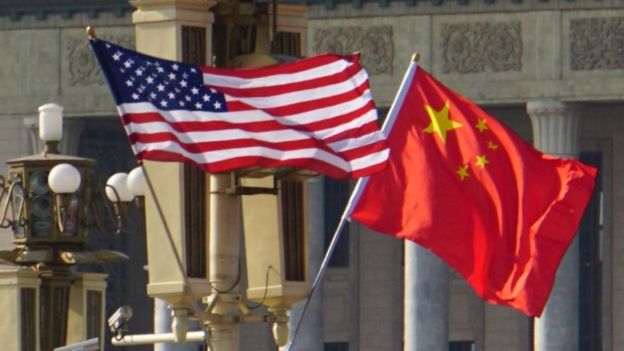
What happens when the world's two biggest economies go to war?
Ok, so it's not a real war - but the US and China are at the beginning of a trade war - and no-one knows just how bad it could get.
So here's how a US-China trade war could hurt us.
Tit-for-tat
A list of Chinese products will be hit with a 25% tariff from Friday - effectively making them 25% more expensive for US consumers.
-Technology goods like Chinese-made semiconductor chips. They're found in consumer products used in everyday life such as televisions, personal computers, smartphones, and cars
-A wide variety of products ranging from plastics, nuclear reactors and dairy-making equipment
-According to the Petersen Institute of International Economics more than 90% of the products on the US tariffs list are made up of intermediate inputs or capital equipment. That means stuff that you need as raw material to make other products - so it could have a knock-on effect on many other goods too.
What the US really wants to target though are things produced under China's Made in China 2025 policy.
In retaliation to the US moves, China has hit these sectors:
-American agriculture - hitting at American farmers and ranchers, a political vote bank that US President Trump relies on. Some 91% of the 545 products China is placing a tariff on are from the agriculture sector
-The car sector - companies such as Tesla and Chrysler manufacture in the US and their products going into China would be affected
-Medical products; coal; petroleum (but only marginally).
'Getting scary'
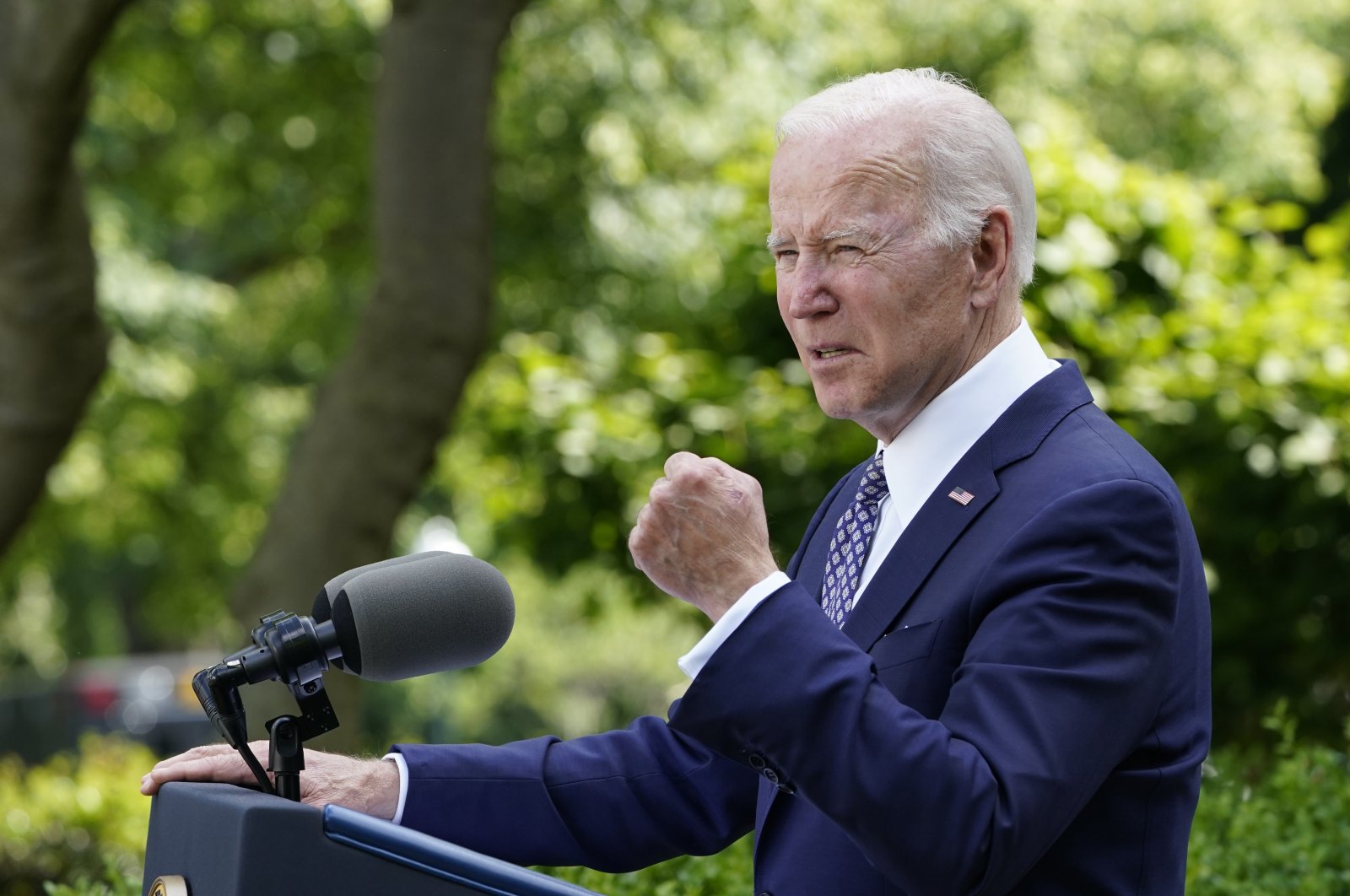
And while Beijing is really good at the chest-thumping, fist-wagging rhetoric, the reality on the ground is much more serious.
"Our industry contacts in China have said things like 'seems pretty serious,' or 'this is getting scary', even 'I think there's a chance of things getting worse'," says Vinesh Motwani of Silk Road Research.
He's recently returned from a trip to the mainland, and as part of his research routinely talks to China-based firms to gauge business sentiment there.
These worries, he says, can translate into "increased caution and lower confidence" for businesses as they try to navigate the uncertainty ahead.
Which means: expansion plans could be put on ice. And if Chinese expansion is on hold that has a direct impact on the rest of us in Asia.
Shift manufacturing?
Obviously the US and China's economies are most at risk, although they're not the only ones.
According to DBS's chief economist Taimur Baig, an all-out trade war could shave 0.25% off the GDP of both economies this year. It gets much worse next year - with both countries seeing a reduction in growth of about 0.5% or more.
Mr Baig adds that "considering China grows at 6-7% and the US at 2-3%, we believe the damage would be greater to the US than on China".
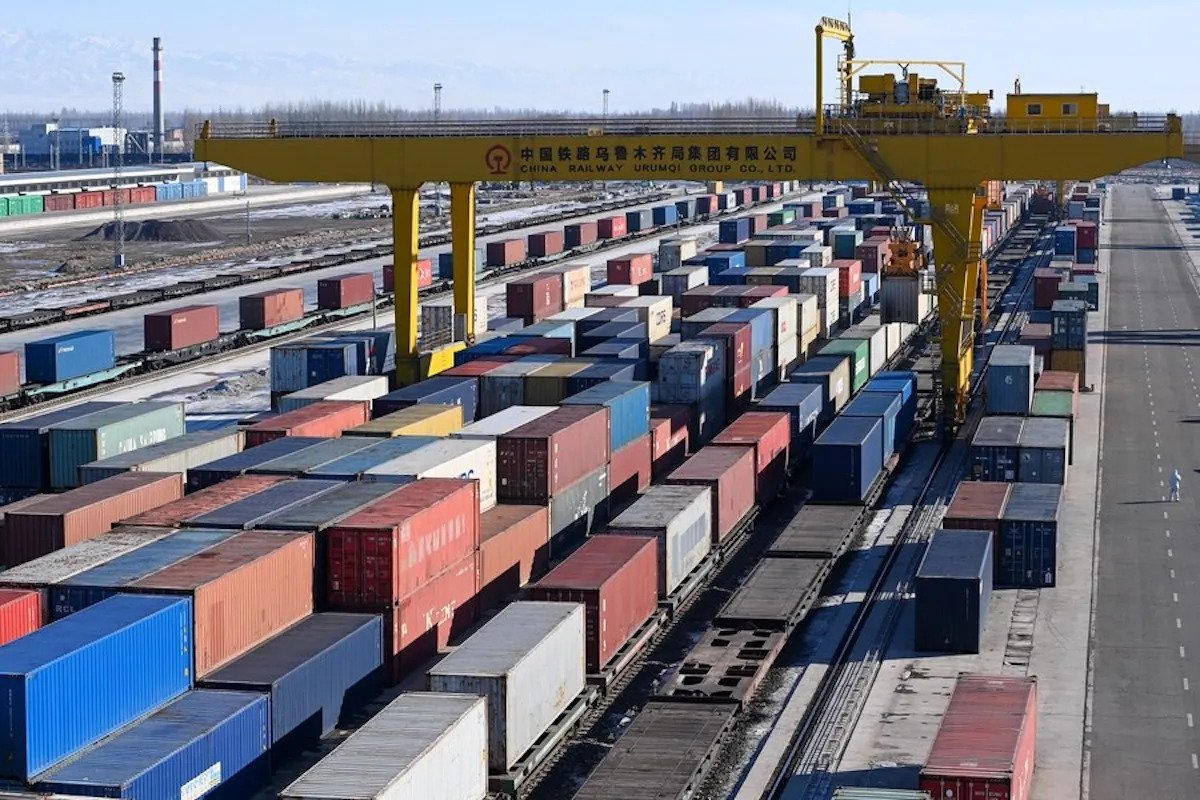
But countries like South Korea, Singapore and Taiwan could all be affected too because of disruption to supply chains.
China sources a lot of components that go into its finished goods from these other countries. As Nick Marro of the Economist Intelligence Unit points out, "any dent in China's export flows will inevitably affect" these other countries.
The case could be made for manufacturing to shift to these other countries - and for them to take advantage of selling to the US - but that shift would take time, and it's hard to see who could match China's scale.
Ultimately, the US consumer will end up paying more for these products.
China backlash
US firms operating in China could also face a "China backlash".
Elon Musk's electric car firm Tesla, for instance, has already highlighted just how important the Chinese market is to it.
But it imports all of its products to China and so would see a 25% tariff placed on its cars sold in China - on top of the 15% tax imported vehicles already face there.
This would inevitably push up prices for Tesla in China, making its vehicles less competitive than they already are, relative to others.
Sino-US tensions could also end up "delaying or preventing" Tesla's ability to release its full potential in China, according to Silk Road Research.
How bad can it get?
It's the question I ask every business person I meet, and the answer is typically always the same: nobody knows.
If history is any guide, then past trade wars have led to deep economic malaise. In particular the US Smoot-Hawley tariffs enacted in 1930 are thought to have inspired a trade war, and led to a massive decline in global trade.
As one study points out, world trade fell by 66% from 1929 to 1934, while US exports and imports to and from Europe each also fell by about two-thirds.
While no one is saying we're there yet, businesses are getting more concerned than they have been in the past, especially because of all the uncertainty.
The tit-for-tat mentality between Beijing and Washington could just end up antagonising both sides to a point where they cannot climb down from their hostile positions for fear of losing face.
"You start with protectionism and isolationism," says Victor Mills, chief executive of Singapore's International Chamber of Commerce. "And then you don't just beggar your neighbour, you beggar yourself."
What many business people are hoping of course, is that this sound and fury is just the start of another series of negotiations.
But the worry is that if it's not - it will escalate, and everybody will be the poorer. And that includes you and me.