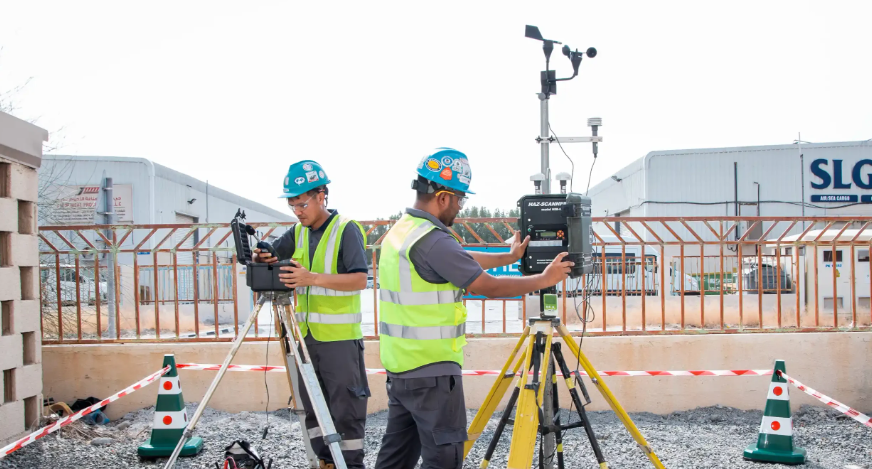
How Advances in Technology Are Transforming Environmental Impact Assessments

In an era of rapid technological evolution, industries across the globe are leveraging cutting-edge innovations to enhance efficiency and sustainability. One area witnessing significant transformation is Environmental Impact Assessment.
Introduction
In an era of rapid technological evolution, industries across the globe are leveraging cutting-edge innovations to enhance efficiency and sustainability. One area witnessing significant transformation is Environmental Impact Assessment. As environmental regulations tighten and sustainability becomes a core focus, technology is playing a crucial role in refining EIA processes, making them more accurate, efficient, and actionable.
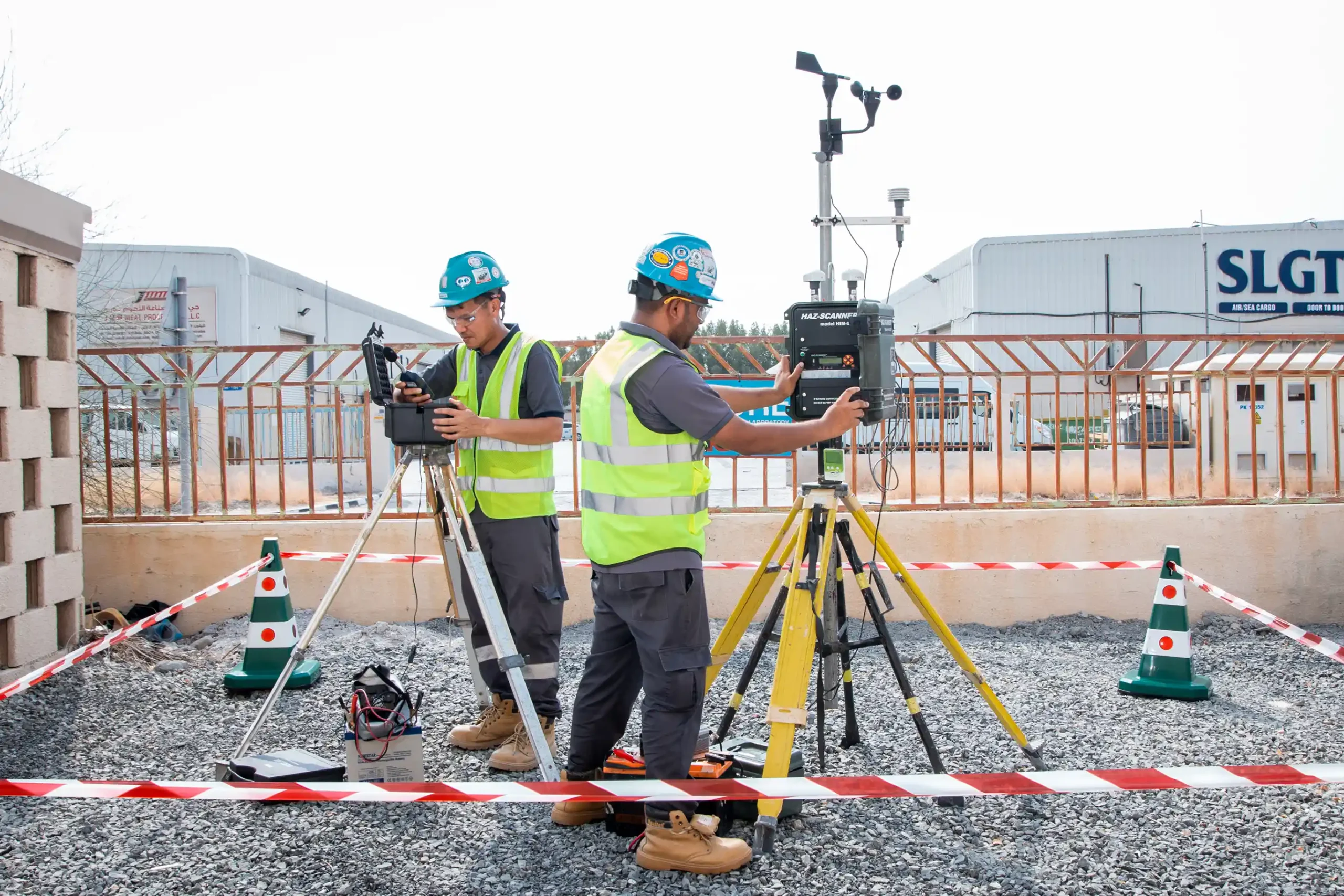
The Role of Technology in Environmental Impact Assessment
Environmental Impact Assessment is a systematic process that evaluates the potential effects of projects on the environment. Traditional EIA methods often relied on manual data collection, field surveys, and expert predictions, which were time-consuming and sometimes inaccurate. However, technological advancements are reshaping these assessments in several key ways:
- Remote Sensing and Geographic Information Systems (GIS)
Remote sensing and GIS technologies have revolutionized EIA by providing accurate, real-time environmental data. These tools allow professionals to:
- Monitor land-use changes through satellite imagery.
- Assess biodiversity loss and deforestation trends.
- Predict environmental risks using geospatial analytics.
- Artificial Intelligence (AI) and Big Data Analytics
AI-driven models are enhancing the efficiency of EIA by analyzing vast datasets and generating predictive insights. These advancements enable:
- Faster processing of environmental data.
- Improved accuracy in predicting long-term ecological impacts.
- Automated risk assessments, reducing human error.
- Drones for Environmental Monitoring
Drones equipped with high-resolution cameras and sensors provide a cost-effective and efficient way to conduct environmental surveys. They offer:
- Aerial mapping of project sites.
- Real-time air and water quality assessments.
- Non-intrusive monitoring of wildlife habitats.
- Blockchain for Data Transparency
Blockchain technology is being integrated into EIA processes to enhance transparency and accountability. It helps:
- Secure environmental data records.
- Prevent data manipulation.
- Ensure compliance with environmental regulations.
- Internet of Things (IoT) and Smart Sensors
IoT-enabled smart sensors continuously collect real-time environmental data, which is crucial for:
- Monitoring air and water pollution levels.
- Tracking emissions from industrial sites.
- Ensuring compliance with environmental standards.
Benefits of Technology-Driven EIA
The integration of technology in Environmental Impact Assessment offers numerous benefits, including:
- Enhanced Accuracy: Reducing human error and improving data reliability.
- Time Efficiency: Speeding up the assessment process and decision-making.
- Cost Reduction: Lowering the costs of manual surveys and data collection.
- Better Decision-Making: Providing stakeholders with precise, data-driven insights.
Future Trends in Environmental Impact Assessment Technology
Looking ahead, emerging technologies will continue to shape the future of EIA. Some key trends include:
- AI-powered Environmental Modeling for real-time impact simulations.
- Augmented Reality (AR) and Virtual Reality (VR) for immersive EIA presentations.
- 5G Connectivity to facilitate instant data transfer and remote monitoring.
Conclusion
Advancements in technology are revolutionizing Environmental Impact Assessment, making it more efficient, transparent, and data-driven. As industries and governments embrace these innovations, EIA processes will become more reliable, ultimately fostering sustainable development while minimizing environmental risks.
By integrating the latest technologies, businesses can ensure regulatory compliance, reduce ecological footprints, and contribute to a more sustainable future. The transformation of EIA through technology is not just a trend—it is a necessity for responsible environmental stewardship.