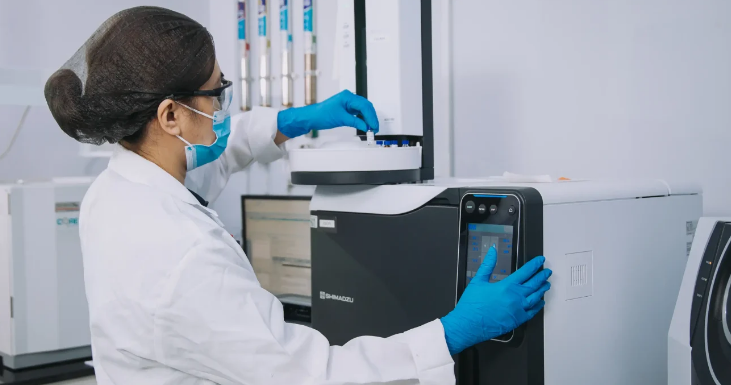
Understanding the Importance of Microbiology Testing on Food Samples

In the food industry, ensuring the safety and quality of food products is paramount. Microbiology testing on food samples plays a critical role in achieving this goal. By identifying harmful microorganisms that could pose health risks to consumers, this process helps maintain the integrity of food products and protects public health. In this blog, we’ll explore the importance of food microbiology testing on food samples and how it benefits both producers and consumers alike.
In the food industry, ensuring the safety and quality of food products is paramount. Microbiology testing on food samples plays a critical role in achieving this goal. By identifying harmful microorganisms that could pose health risks to consumers, this process helps maintain the integrity of food products and protects public health. In this blog, we’ll explore the importance of food microbiology testing on food samples and how it benefits both producers and consumers alike.

What is Microbiology Testing on Food Samples?
Microbiology testing involves analyzing food samples to detect the presence of microorganisms such as bacteria, fungi, yeast, molds, and viruses. These microorganisms can cause foodborne illnesses, spoilage, and degradation of food quality. The goal of microbiology testing is to identify and quantify any harmful microbes before food reaches consumers.
Common foodborne pathogens detected in microbiology testing include:
- Salmonella
- Escherichia coli (E. coli)
- Listeria monocytogenes
- Campylobacter
- Clostridium botulinum
These pathogens can lead to serious health issues, including food poisoning, gastrointestinal infections, and, in severe cases, death. Microbiology testing serves as a preventive measure to detect these pathogens early and ensure the safety of food products.
Why is Microbiology Testing Essential?
- Ensures Food Safety
The primary reason for microbiology testing on food samples is to ensure food safety. Foodborne illnesses are a significant public health concern worldwide. According to the World Health Organization (WHO), approximately 600 million people fall ill each year from consuming contaminated food. By performing microbiology testing, food manufacturers and suppliers can identify harmful microorganisms that may be present in raw ingredients, finished products, or during food processing.
Testing also ensures that food products meet the microbiological safety standards set by regulatory bodies like the U.S. Food and Drug Administration (FDA) and the European Food Safety Authority (EFSA). This helps in preventing potential outbreaks of foodborne diseases.
- Prevents Food Spoilage
Beyond pathogens, microorganisms such as molds and yeasts can also cause food spoilage, impacting the taste, texture, and visual appeal of food products. By testing food samples for these microorganisms, producers can detect early signs of spoilage and take corrective actions to preserve the quality and freshness of food. This is particularly important in the production of perishable items such as dairy, meats, and ready-to-eat meals.
- Maintains Consumer Confidence
Consumers today are more health-conscious than ever, and they expect food products to be safe and free from harmful microorganisms. By regularly conducting microbiology testing, food manufacturers can ensure that their products meet the highest safety and quality standards. This not only prevents costly product recalls but also boosts consumer confidence in the brand.
A product with a proven record of safety is more likely to be trusted by consumers, which can lead to increased sales and brand loyalty.
- Supports Compliance with Regulations
The food industry is heavily regulated, with strict guidelines regarding food safety and hygiene. Microbiology testing on food samples ensures that manufacturers comply with these regulations. By testing their products before they are released to the market, food producers can avoid legal consequences, penalties, and damage to their reputation.
Regulatory agencies in various regions have specific requirements for microbiology testing. For example, the FDA has established microbiological criteria for certain food categories, and non-compliance could lead to severe consequences. Regular microbiology testing helps ensure that food products meet these standards.
- Improves Shelf Life
Microorganisms can significantly affect the shelf life of food products. Contamination by bacteria and molds can accelerate spoilage, reducing the product’s freshness and quality. Through microbiology testing, manufacturers can identify the presence of these microbes and adjust their production processes accordingly to extend shelf life. This is particularly important for processed foods, where shelf stability is a key factor in their commercial viability.
By managing microbial contamination, producers can offer products with a longer shelf life, reducing waste and improving profitability.
How is Microbiology Testing Performed?
Microbiology testing involves several methods depending on the type of microorganisms being tested for. Some common testing methods include:
- Culture-based methods: These involve growing microorganisms from food samples in nutrient-rich media to identify and count colonies of bacteria, fungi, and yeasts.
- Polymerase Chain Reaction (PCR): This molecular technique detects specific DNA or RNA from microorganisms, allowing for faster and more precise identification of pathogens.
- Immunological methods: These tests use antibodies to detect specific pathogens or toxins present in the food sample.
- Rapid test kits: These are pre-packaged testing kits designed for quick detection of common foodborne pathogens.
The chosen method will depend on the type of food, the microorganism being tested for, and the speed required for results.
Conclusion
Microbiology testing on food samples is an essential process that ensures the safety, quality, and longevity of food products. It helps prevent foodborne illnesses, preserves product quality, and boosts consumer trust. By adhering to strict microbiological standards, food producers can protect public health, meet regulatory requirements, and maintain their brand reputation.
In an industry where consumer safety is critical, microbiology testing is not just a regulatory requirement; it’s an investment in the long-term success of food businesses. If you’re in the food industry, prioritizing microbiology testing should be at the top of your quality control strategy.
For more information on microbiology testing services and how it can benefit your food production process, feel free to reach out to our team at CoreLab. We specialize in providing comprehensive food safety testing services that meet the highest industry standards.


