Home Upload Photo Upload Videos Write a Blog Analytics Messaging Streaming Create Adverts Creators Program
Bebuzee Afghanistan Bebuzee Albania Bebuzee Algeria Bebuzee Andorra Bebuzee Angola Bebuzee Antigua and Barbuda Bebuzee Argentina Bebuzee Armenia Bebuzee Australia Bebuzee Austria Bebuzee Azerbaijan Bebuzee Bahamas Bebuzee Bahrain Bebuzee Bangladesh Bebuzee Barbados Bebuzee Belarus Bebuzee Belgium Bebuzee Belize Bebuzee Benin Bebuzee Bhutan Bebuzee Bolivia Bebuzee Bosnia and Herzegovina Bebuzee Botswana Bebuzee Brazil Bebuzee Brunei Bebuzee Bulgaria Bebuzee Burkina Faso Bebuzee Burundi Bebuzee Cabo Verde Bebuzee Cambodia Bebuzee Cameroon Bebuzee Canada Bebuzee Central African Republic Bebuzee Chad Bebuzee Chile Bebuzee China Bebuzee Colombia Bebuzee Comoros Bebuzee Costa Rica Bebuzee Côte d'Ivoire Bebuzee Croatia Bebuzee Cuba Bebuzee Cyprus Bebuzee Czech Republic Bebuzee Democratic Republic of the Congo Bebuzee Denmark Bebuzee Djibouti Bebuzee Dominica Bebuzee Dominican Republic Bebuzee Ecuador Bebuzee Egypt Bebuzee El Salvador Bebuzee Equatorial Guinea Bebuzee Eritrea Bebuzee Estonia Bebuzee Eswatini Bebuzee Ethiopia Bebuzee Fiji Bebuzee Finland Bebuzee France Bebuzee Gabon Bebuzee Gambia Bebuzee Georgia Bebuzee Germany Bebuzee Ghana Bebuzee Greece Bebuzee Grenada Bebuzee Guatemala Bebuzee Guinea Bebuzee Guinea-Bissau Bebuzee Guyana Bebuzee Haiti Bebuzee Honduras Bebuzee Hong Kong Bebuzee Hungary Bebuzee Iceland Bebuzee India Bebuzee Indonesia Bebuzee Iran Bebuzee Iraq Bebuzee Ireland Bebuzee Israel Bebuzee Italy Bebuzee Jamaica Bebuzee Japan Bebuzee Jordan Bebuzee Kazakhstan Bebuzee Kenya Bebuzee Kiribati Bebuzee Kuwait Bebuzee Kyrgyzstan Bebuzee Laos Bebuzee Latvia Bebuzee Lebanon Bebuzee Lesotho Bebuzee Liberia Bebuzee Libya Bebuzee Liechtenstein Bebuzee Lithuania Bebuzee Luxembourg Bebuzee Madagascar Bebuzee Malawi Bebuzee Malaysia Bebuzee Maldives Bebuzee Mali Bebuzee Malta Bebuzee Marshall Islands Bebuzee Mauritania Bebuzee Mauritius Bebuzee Mexico Bebuzee Micronesia Bebuzee Moldova Bebuzee Monaco Bebuzee Mongolia Bebuzee Montenegro Bebuzee Morocco Bebuzee Mozambique Bebuzee Myanmar Bebuzee Namibia Bebuzee Nauru Bebuzee Nepal Bebuzee Netherlands Bebuzee New Zealand Bebuzee Nicaragua Bebuzee Niger Bebuzee Nigeria Bebuzee North Korea Bebuzee North Macedonia Bebuzee Norway Bebuzee Oman Bebuzee Pakistan Bebuzee Palau Bebuzee Panama Bebuzee Papua New Guinea Bebuzee Paraguay Bebuzee Peru Bebuzee Philippines Bebuzee Poland Bebuzee Portugal Bebuzee Qatar Bebuzee Republic of the Congo Bebuzee Romania Bebuzee Russia Bebuzee Rwanda Bebuzee Saint Kitts and Nevis Bebuzee Saint Lucia Bebuzee Saint Vincent and the Grenadines Bebuzee Samoa Bebuzee San Marino Bebuzee São Tomé and Príncipe Bebuzee Saudi Arabia Bebuzee Senegal Bebuzee Serbia Bebuzee Seychelles Bebuzee Sierra Leone Bebuzee Singapore Bebuzee Slovakia Bebuzee Slovenia Bebuzee Solomon Islands Bebuzee Somalia Bebuzee South Africa Bebuzee South Korea Bebuzee South Sudan Bebuzee Spain Bebuzee Sri Lanka Bebuzee Sudan Bebuzee Suriname Bebuzee Sweden Bebuzee Switzerland Bebuzee Syria Bebuzee Taiwan Bebuzee Tajikistan Bebuzee Tanzania Bebuzee Thailand Bebuzee Timor-Leste Bebuzee Togo Bebuzee Tonga Bebuzee Trinidad and Tobago Bebuzee Tunisia Bebuzee Turkey Bebuzee Turkmenistan Bebuzee Tuvalu Bebuzee Uganda Bebuzee Ukraine Bebuzee United Arab Emirates Bebuzee United Kingdom Bebuzee United States Bebuzee Uruguay Bebuzee Uzbekistan Bebuzee Vanuatu Bebuzee Venezuela Bebuzee Vietnam Bebuzee World Wide Bebuzee Yemen Bebuzee Zambia Bebuzee Zimbabwe
Blog Image

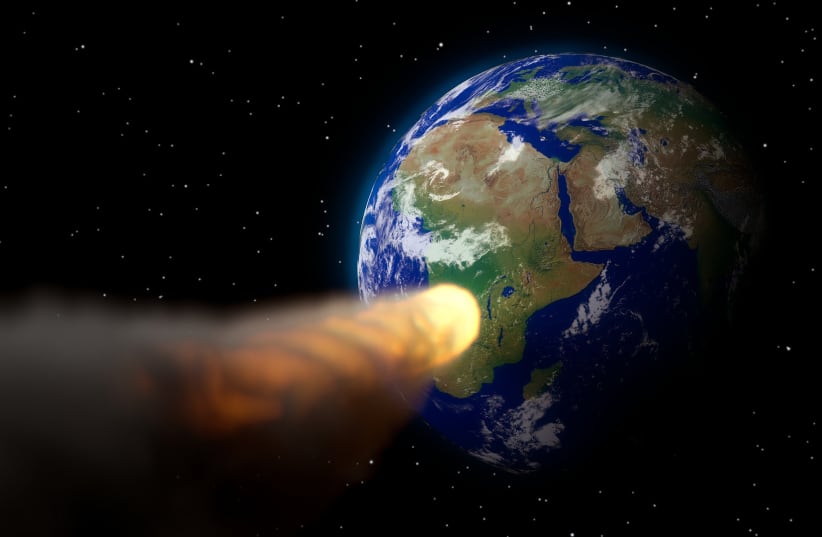
How can we defend Earth against asteroids?

The threat of an asteroid impact, while rare, poses a significant risk to Earth. As our understanding of these celestial objects grows, so does our ability to defend against them. Scientists and space agencies worldwide are developing a range of strategies to detect, track, and potentially deflect asteroids that could pose a danger to our planet.

The cornerstone of asteroid defense is early detection. Ground-based telescopes and space-based observatories play a crucial role in identifying near-Earth objects (NEOs). Programs such as NASA's Near-Earth Object Observations (NEOO) and the European Space Agency's Space Situational Awareness (SSA) are dedicated to cataloging and monitoring these objects. By tracking their trajectories, scientists can predict potential impacts and provide early warnings.

Once an asteroid is detected, precise calculations are made to predict its path. This involves assessing the likelihood of an impact and identifying potential impact zones. Advanced simulations help scientists understand the possible outcomes and prepare for various scenarios. Accurate predictions are essential for timely and effective responses.

If an asteroid is found to be on a collision course with Earth, several deflection strategies are under consideration:

- Kinetic Impactor: This method involves sending a spacecraft to collide with the asteroid at high speed, altering its trajectory. NASA's Double Asteroid Redirection Test (DART) mission is a pioneering effort to test this approach.

- Gravity Tractor: A spacecraft could fly alongside the asteroid, using its gravitational pull to gradually change the asteroid's path. This method requires precise navigation and extended timeframes.

- Nuclear Explosions: As a last resort, detonating a nuclear device near or on the asteroid could change its course. While potentially effective, this method carries significant risks and uncertainties.

Educating the public about asteroid threats and preparedness measures is vital. Developing emergency response plans and fostering international cooperation are key components of a comprehensive defense strategy. Public awareness campaigns can help communities understand the risks and the steps being taken to mitigate them.

Defending Earth from asteroids is a global challenge that requires international collaboration. Organizations like the United Nations Office for Outer Space Affairs (UNOOSA) and the International Asteroid Warning Network (IAWN) facilitate cooperation and information sharing among countries and space agencies. By working together, the global community can enhance its ability to detect, track, and respond to potential threats.

In conclusion, while the threat of an asteroid impact is low, the potential consequences are significant. Through a combination of early detection, precise tracking, innovative deflection strategies, and international collaboration, we can build a robust defense system to protect our planet. Continued research and technological advancements are essential to improving our capabilities and ensuring the safety of Earth for future generations.


Previous Post

Scientists Discover Achiral Materials Can Selectively Absorb Light

Next Post

A new dinosaur species is discovered in northern Mexico

Comments