A new dinosaur species is discovered in northern Mexico
-
 Loading...
 - frankie freya
- 09 Oct 2024
- 51 Views
- 0 Like
- 1 Comment
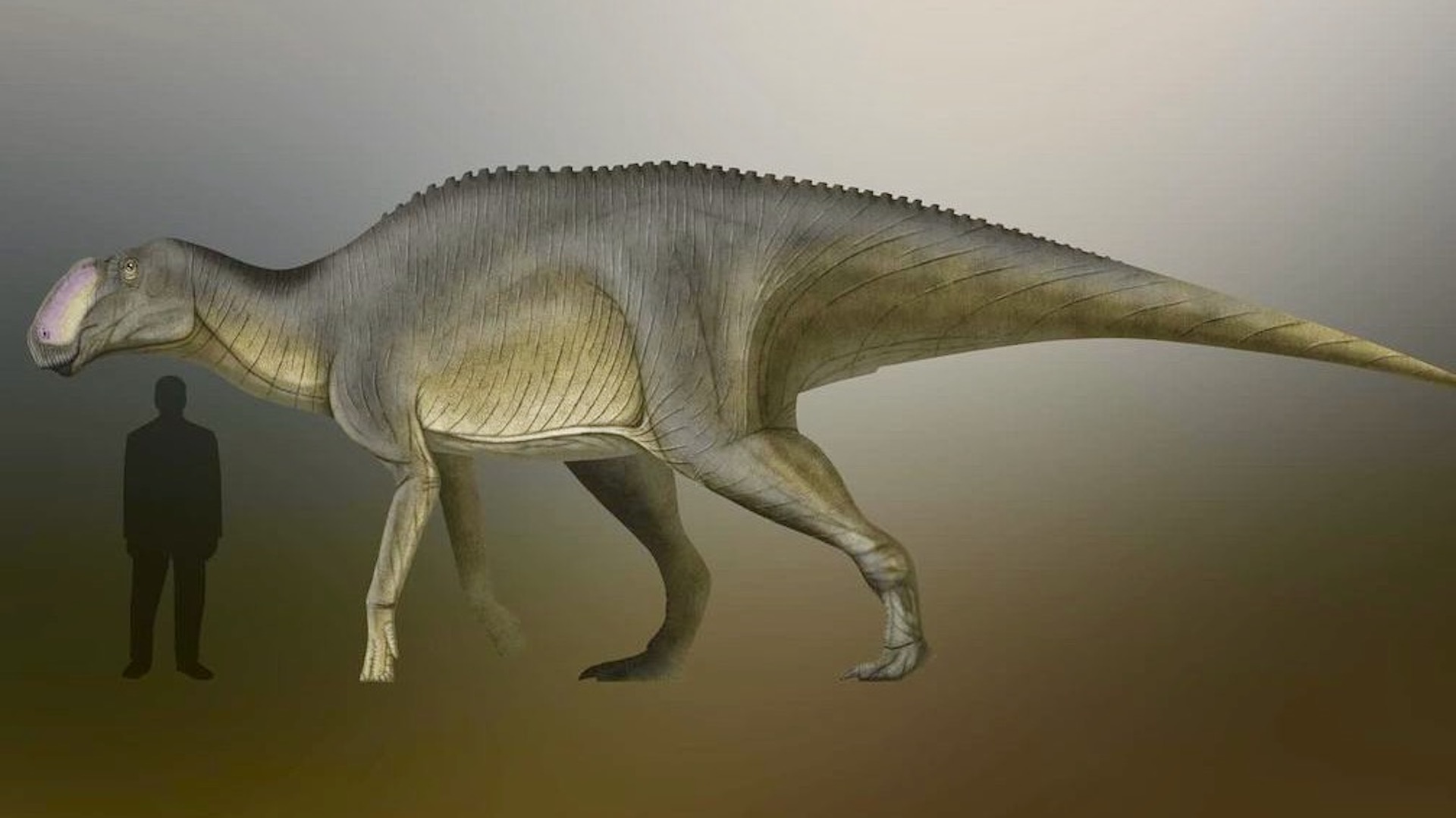
A new species of dinosaur, Coahuilasaurus lipani, has been discovered in Coahuila, northern Mexico, offering fresh insights into the diversity of dinosaurs that roamed the region about 72 million years ago. This herbivorous dinosaur, from the group of hadrosaurids (commonly known as duck-billed dinosaurs), measured approximately eight meters in length and primarily walked on four legs. It lived in North America during the late Cretaceous period, around seven million years before the extinction event that wiped out most dinosaurs.
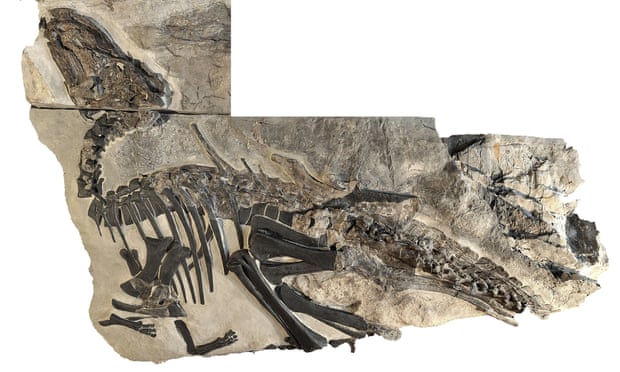
The remains of Coahuilasaurus lipani, including parts of a skull and jaws, were initially unearthed in the late 1980s but were mistakenly classified as belonging to another genus, Kritosaurus, which is native to New Mexico. However, in early 2023, an international team of scientists from Mexico, the UK, and the US revisited the fossils and concluded that it was, in fact, a new species based on distinctive features in its skull and jaws.
Claudia Serrano Brañas, a Mexican paleontologist and co-author of the study published in September 2024, explains that the decision to classify the specimen as a new species was based on its unique conical bony structure in the front of the snout. This adaptation suggests the dinosaur was specialized in crushing tough vegetation, such as palm leaves, which matched the tropical forest and swampy environment that existed in the region at the time.
The Cerro del Pueblo geological formation, where the remains were found, is renowned for its rich fossil records, revealing a vast diversity of flora and fauna from millions of years ago. The discovery of Coahuilasaurus lipani further solidifies the area's importance in understanding Mexico's prehistoric past and highlights the broader range of species that lived in the region.




Joe Onyero
Nice 🙌