Lost Scientists May Never Return Even When The War Ends
-
 Loading...
 - Irene Kipchirchir
- 11 Oct 2024
- 49 Views
- 0 Like
- 0 Comment
The ongoing war in Sudan has decimated the country’s academic community, with many scholars fleeing the violence and the future of higher education hanging in the balance. This dire situation was highlighted at a UN Science Summit on September 17, 2024, held virtually alongside the UN General Assembly. The summit heard from Sudanese academics, revealing the scale of destruction and displacement caused by the conflict, which erupted in April 2023.
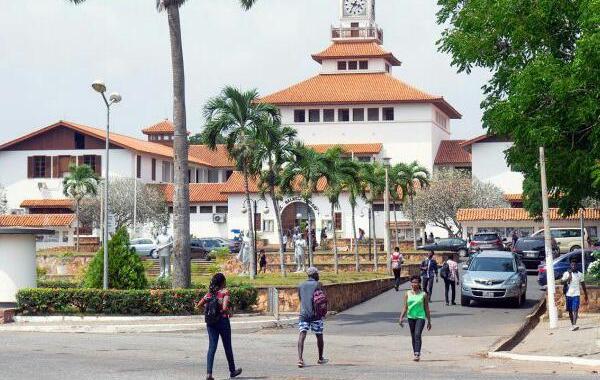
According to Munzoul Assal, a Sudanese professor of social anthropology currently at the Christian Michelsen Institute in Norway, about 90% of staff at the University of Khartoum, Sudan's most prestigious university, have left the country. He warned that even after the war ends, many may never return. Assal explained that those who find opportunities abroad will likely be difficult to entice back, which could leave a permanent void in Sudan's intellectual and educational landscape.
The war, which pits the Sudanese Armed Forces against the Rapid Support Forces (RSF), has killed at least 15,000 people and displaced more than 10.5 million. This power struggle has had a devastating impact on the country’s higher education system. Akram Ahmed Elkhalifa, a professor of architecture at the University of Khartoum, noted that many academic institutions have been damaged or repurposed for military use, with some suffering extensive looting. Hassan Bashir Mohamed Nour, academic secretary at Neelain University, reported that around 70% of hospitals in Sudan are now out of service, further compounding the crisis.
Archaeology projects, both national and international, have also been severely affected. Nuha Abdel Hafiz Abdel Aziz, from the University of Khartoum’s archaeology department, said a recent survey of Sudanese archaeologists found that 40% had been unable to access fieldwork, while others had lost artifacts and libraries due to the conflict.
The speakers called for immediate and long-term recovery efforts. Assal emphasized the need to enhance virtual learning, assess the situation of displaced students and staff, and develop strategies to bring talent back to Sudan. They also stressed the importance of collaborating with international institutions and tapping into the resources of the Sudanese diaspora to help restore the academic and educational sectors. Suad Sulaiman, an environmental scientist, echoed this sentiment, urging collective efforts to ensure Sudan emerges stronger from the crisis.
This war has not only displaced millions of Sudanese people but has also devastated the country’s intellectual capital, with many fearing the damage to academia could be long-lasting, if not permanent.