How Halloween is celebrated around the world
-
 Loading...
 - Mira Farago
- 31 Oct 2022
- 68 Views
- 0 Like
- 0 Comment
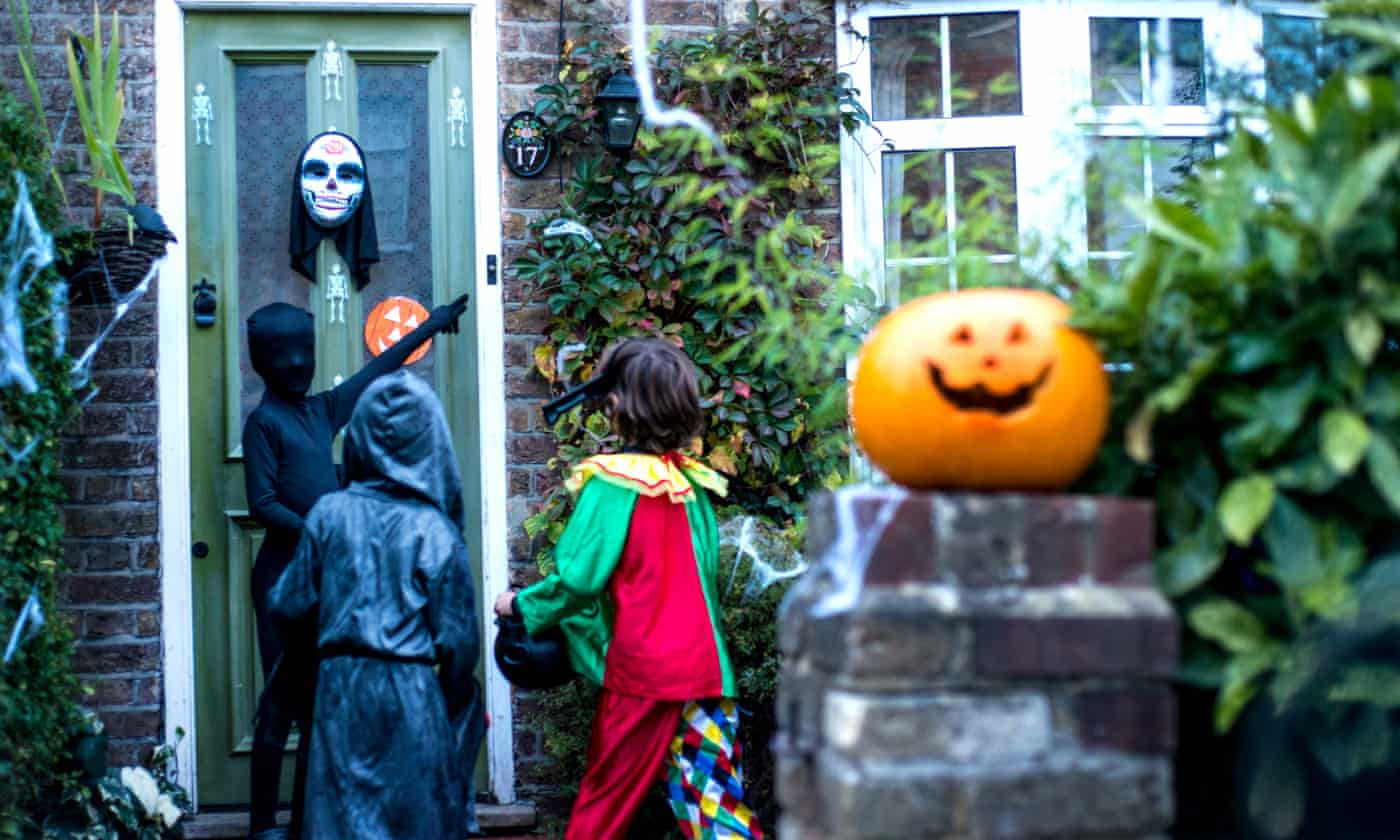
While Halloween conjures images of candy and costumes around the U.S., the holiday looks different across the globe. Here's a breakdown into how the holiday is celebrated in seven other countries.
Mexico
While children in Mexico also go trick-or-treating on Oct. 31, it acts as a primer for another celebration: el Día de los Muertos, or Day of the Dead, which takes place on Nov. 1 and 2. Observers say the Mexican holiday, which dates back 3,000 years to pre-Columbian Mesoamerica, occurs when the gates of heaven open, allowing the spirit of a deceased loved one to be reunited with their still-living family.
Family members may prepare a feast with the deceased's favorite foods or leave gifts on their gravesite. Festival-goers will don skull masks and eat skull-shaped sweets. And the holiday, once typically celebrated only in rural, Indigenous parts of the country, is now celebrated in major cities, including the capital, Mexico City.
England
The increasing popularity of Halloween in pop culture means that British children may partake in the holiday. But like other countries, it can often be overshadowed by another, much larger event: Guy Fawkes Day.
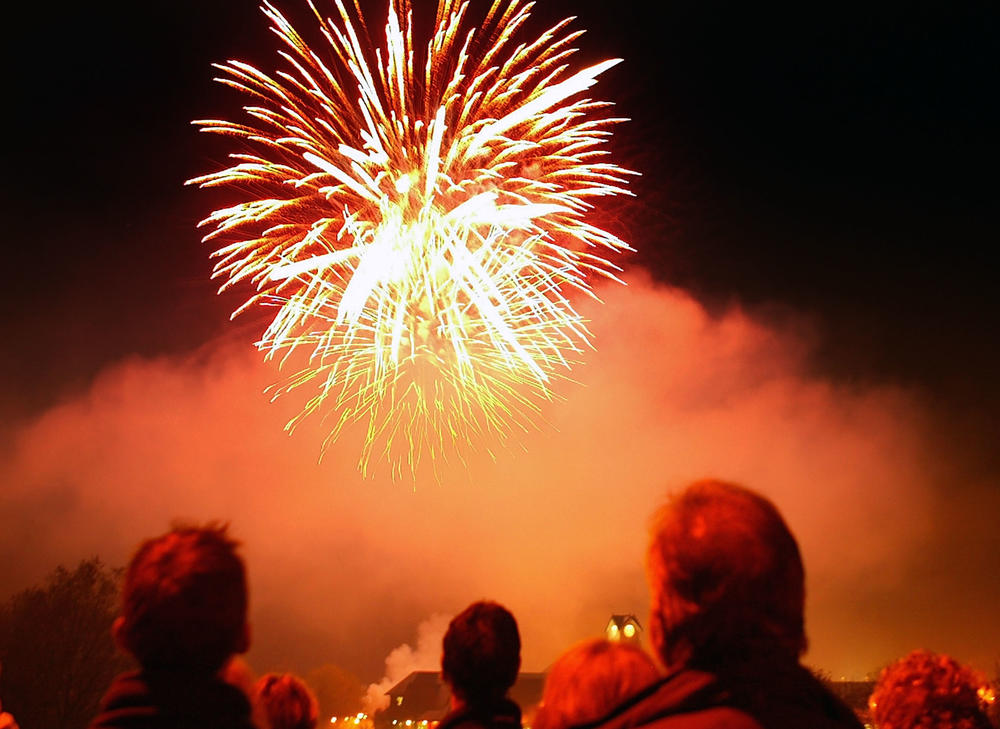
On Nov. 5, British citizens celebrate the failed assassination of King James I by Guy Fawkes and other participants in the plot. Because Fawkes attempted to kill the king with barrels of gunpowder — before being found by the authorities and being sentenced to death — the holiday is celebrated with bonfires across the country. And instead of trick-or-treating for candy, children will walk around asking for a "penny for the Guy."
Italy
On Nov. 1, Italians celebrate Ognissanti, or "all saints," a festival with deep religious undertones. While it's common to see Italian holidays dedicated to a specific saint, this holiday is dedicated to all of the saints as a whole.
How the holiday is celebrated varies by region: in Sicily, the deceased rise from the dead to bring gifts to well-behaved children, while children in Sardinia go door to door to ask for offerings from the deceased. Romans will eat a meal near the gravesites of loved ones, while people in the region of Abruzzo and Trentino fashion lanterns by placing candles in pumpkins. Read More...