How Julia Morgan became an architectural pioneer in a man's world
-
 Loading...
 - Liisa Turunen
- 13 Apr 2022
- 317 Views
- 0 Like
- 0 Comment
On her first visit to Hearst Castle in San Simeon, California, author Victoria Kastner heard the tour guide explain that “an architect named Julia Morgan built this entire estate” – complete with interior design and landscaping – “but we don’t know anything about her.” Kastner’s curiosity was piqued, and she eventually became the official historian at Hearst Castle, the grand estate of newspaper magnate William Randolph Hearst.
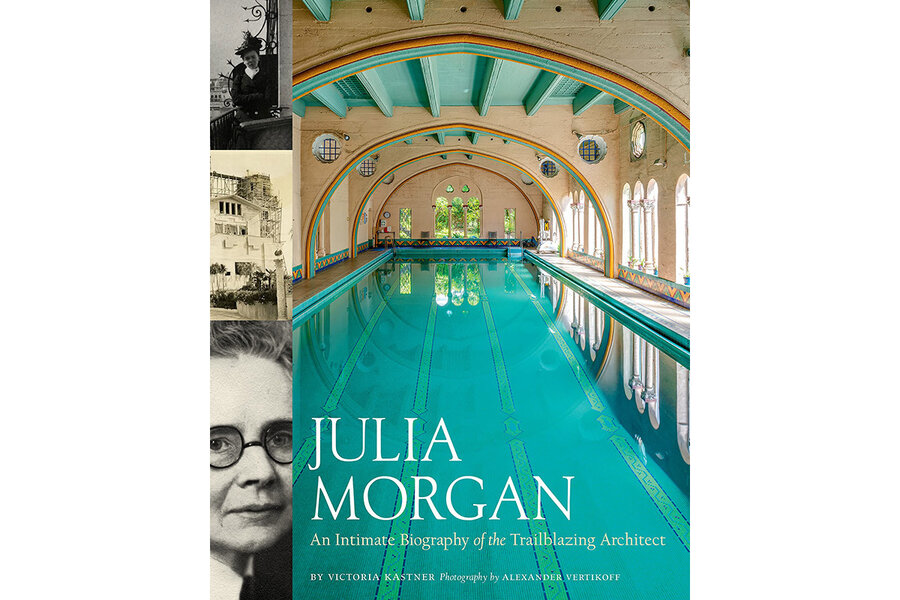
Now Kastner has written “Julia Morgan: An Intimate Biography of the Trailblazing Architect,” which draws back the curtain on the first woman to study architecture at the École des Beaux-Arts in Paris in 1898 and the first female licensed architect in California in 1904. Lovers of art, history, and women’s studies alike will thoroughly enjoy this comprehensive account of a figure who not only overcame incredible obstacles to pursue her craft, but did so with considerable grace and inner strength.
Drawing upon firsthand recollections from Morgan’s family members, colleagues, and even recently discovered diary entries from Morgan herself (1872-1957), Kastner paints a well-rounded, engaging picture of her subject from both a deeply personal and professional lens.
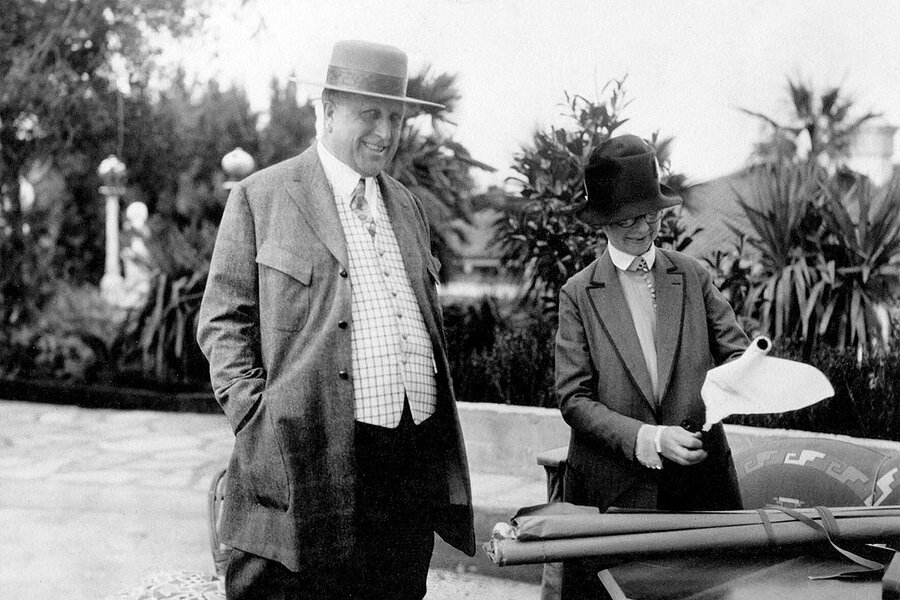
While Morgan’s father, Charles, was a pie-in-the-sky businessman, chasing one unsuccessful venture after the next, she most likely inherited a sense of joyous persistence from his example, Kastner argues. Likewise, Morgan’s mother, Eliza, was a powerful role model, since Eliza had to pick up the pieces after Charles’ latest flop. She was the pragmatic, intellectual one in the relationship. It was the combination of these qualities that held Morgan in good stead when she traveled to Paris after college to study architecture.
The journey overseas was at the encouragement of her teacher and mentor Bernard Maybeck. He was an alumnus of the École des Beaux-Arts himself, having studied there in the 1880s. When Maybeck met Morgan at the Mark Hopkins Institute of Fine Art in San Francisco, he quickly took notice of her superior talent among his students. Morgan even helped design a few homes under Maybeck’s supervision before making the trip.
Morgan faced one difficulty after another in Paris. She had to jockey for entrance into a highly competitive program that (initially) did not allow women. Once admitted, she endured sexist taunting from her classmates. Expenses were tight and she slept little. While many male students took six years to finish the program, Morgan did it in three, and became the first woman to earn a certificate of completion. In all these instances, her quiet sense of purpose gave her the strength to forge ahead without bitterness, without diversion, and without telling her family that she was homesick.
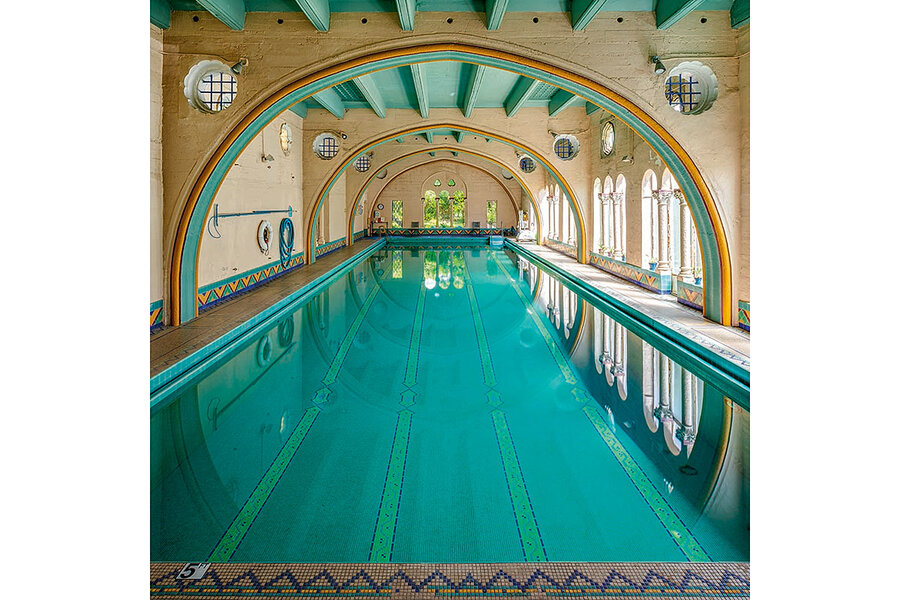
When she returned home in triumph, Morgan carved out a prolific career, designing and overseeing the construction of approximately 700 structures. The impressive list not only includes private residences and women’s clubs – as was the primary focus for female architects of her time – but also a grand hotel, houses of worship, municipal buildings, school campuses, commercial centers, a theater, and a mausoleum. Visitors can still explore sites like the Grace H. Dodge Chapel and the Chinese Historical Society of America Museum in California, as well as some of the dormitories of Principia College in Illinois, which Morgan took on for Maybeck after site changes and labor unrest became an issue. Read More...