Home Upload Photo Upload Videos Write a Blog Analytics Messaging Streaming Create Adverts Creators Program
Bebuzee Afghanistan Bebuzee Albania Bebuzee Algeria Bebuzee Andorra Bebuzee Angola Bebuzee Antigua and Barbuda Bebuzee Argentina Bebuzee Armenia Bebuzee Australia Bebuzee Austria Bebuzee Azerbaijan Bebuzee Bahamas Bebuzee Bahrain Bebuzee Bangladesh Bebuzee Barbados Bebuzee Belarus Bebuzee Belgium Bebuzee Belize Bebuzee Benin Bebuzee Bhutan Bebuzee Bolivia Bebuzee Bosnia and Herzegovina Bebuzee Botswana Bebuzee Brazil Bebuzee Brunei Bebuzee Bulgaria Bebuzee Burkina Faso Bebuzee Burundi Bebuzee Cabo Verde Bebuzee Cambodia Bebuzee Cameroon Bebuzee Canada Bebuzee Central African Republic Bebuzee Chad Bebuzee Chile Bebuzee China Bebuzee Colombia Bebuzee Comoros Bebuzee Costa Rica Bebuzee Côte d'Ivoire Bebuzee Croatia Bebuzee Cuba Bebuzee Cyprus Bebuzee Czech Republic Bebuzee Democratic Republic of the Congo Bebuzee Denmark Bebuzee Djibouti Bebuzee Dominica Bebuzee Dominican Republic Bebuzee Ecuador Bebuzee Egypt Bebuzee El Salvador Bebuzee Equatorial Guinea Bebuzee Eritrea Bebuzee Estonia Bebuzee Eswatini Bebuzee Ethiopia Bebuzee Fiji Bebuzee Finland Bebuzee France Bebuzee Gabon Bebuzee Gambia Bebuzee Georgia Bebuzee Germany Bebuzee Ghana Bebuzee Greece Bebuzee Grenada Bebuzee Guatemala Bebuzee Guinea Bebuzee Guinea-Bissau Bebuzee Guyana Bebuzee Haiti Bebuzee Honduras Bebuzee Hong Kong Bebuzee Hungary Bebuzee Iceland Bebuzee India Bebuzee Indonesia Bebuzee Iran Bebuzee Iraq Bebuzee Ireland Bebuzee Israel Bebuzee Italy Bebuzee Jamaica Bebuzee Japan Bebuzee Jordan Bebuzee Kazakhstan Bebuzee Kenya Bebuzee Kiribati Bebuzee Kuwait Bebuzee Kyrgyzstan Bebuzee Laos Bebuzee Latvia Bebuzee Lebanon Bebuzee Lesotho Bebuzee Liberia Bebuzee Libya Bebuzee Liechtenstein Bebuzee Lithuania Bebuzee Luxembourg Bebuzee Madagascar Bebuzee Malawi Bebuzee Malaysia Bebuzee Maldives Bebuzee Mali Bebuzee Malta Bebuzee Marshall Islands Bebuzee Mauritania Bebuzee Mauritius Bebuzee Mexico Bebuzee Micronesia Bebuzee Moldova Bebuzee Monaco Bebuzee Mongolia Bebuzee Montenegro Bebuzee Morocco Bebuzee Mozambique Bebuzee Myanmar Bebuzee Namibia Bebuzee Nauru Bebuzee Nepal Bebuzee Netherlands Bebuzee New Zealand Bebuzee Nicaragua Bebuzee Niger Bebuzee Nigeria Bebuzee North Korea Bebuzee North Macedonia Bebuzee Norway Bebuzee Oman Bebuzee Pakistan Bebuzee Palau Bebuzee Panama Bebuzee Papua New Guinea Bebuzee Paraguay Bebuzee Peru Bebuzee Philippines Bebuzee Poland Bebuzee Portugal Bebuzee Qatar Bebuzee Republic of the Congo Bebuzee Romania Bebuzee Russia Bebuzee Rwanda Bebuzee Saint Kitts and Nevis Bebuzee Saint Lucia Bebuzee Saint Vincent and the Grenadines Bebuzee Samoa Bebuzee San Marino Bebuzee São Tomé and Príncipe Bebuzee Saudi Arabia Bebuzee Senegal Bebuzee Serbia Bebuzee Seychelles Bebuzee Sierra Leone Bebuzee Singapore Bebuzee Slovakia Bebuzee Slovenia Bebuzee Solomon Islands Bebuzee Somalia Bebuzee South Africa Bebuzee South Korea Bebuzee South Sudan Bebuzee Spain Bebuzee Sri Lanka Bebuzee Sudan Bebuzee Suriname Bebuzee Sweden Bebuzee Switzerland Bebuzee Syria Bebuzee Taiwan Bebuzee Tajikistan Bebuzee Tanzania Bebuzee Thailand Bebuzee Timor-Leste Bebuzee Togo Bebuzee Tonga Bebuzee Trinidad and Tobago Bebuzee Tunisia Bebuzee Turkey Bebuzee Turkmenistan Bebuzee Tuvalu Bebuzee Uganda Bebuzee Ukraine Bebuzee United Arab Emirates Bebuzee United Kingdom Bebuzee Uruguay Bebuzee Uzbekistan Bebuzee Vanuatu Bebuzee Venezuela Bebuzee Vietnam Bebuzee World Wide Bebuzee Yemen Bebuzee Zambia Bebuzee Zimbabwe
Blog Image

How Mexico City’s Mural Movement Transformed Walls into Art

Mexico City's mural movement of the 1920s and 30s transformed the city's walls into stunning works of art. The movement celebrated Mexico's indigenous heritage following the Mexican Revolution and was led by famous artists such as Diego Rivera, David Alfaro Siqueiros, and Jose Clemente Orozco.

The Antiguo Colegio de San Ildefonso, a former Jesuit college, was one of the buildings that became the canvases for this movement. The college now serves as a museum and hosts an exhibition that honors the art of Revueltas, Rivera, Orozco, and others.

The exhibit showcases both historic and contemporary murals. The most recent mural, "La Muerte de las Culturas" ("The Death of Cultures"), depicts the struggle for freedom and equality of Mexicans of African descent and how their identity was forged from that struggle.
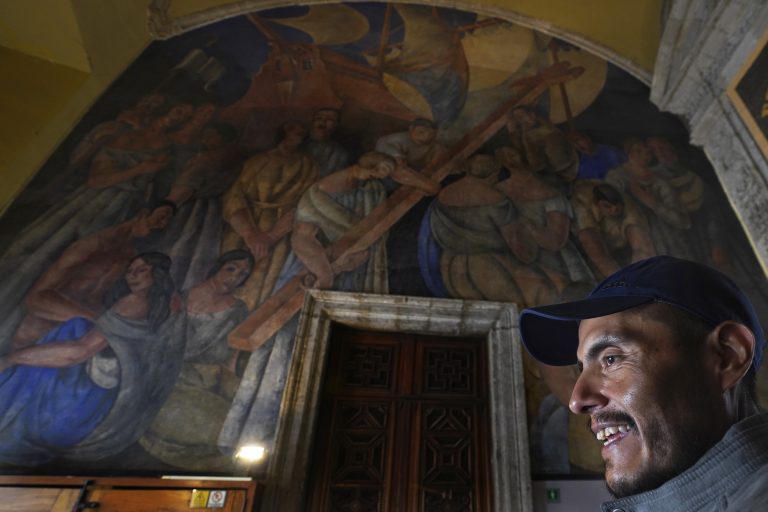
According to Jonatan Chávez, a historian of San Ildefonso, the mural movement arose in a highly politicized context. Many of the murals criticized political leaders, inequality, or the Catholic Church, reflecting the young muralists' revolutionary nationalism and academic scholarship.

Some artists expressed their social and political views by incorporating divine figures or religious references into their paintings. Orozco's 1924 fresco "La Alcancía" ("The Piggy Bank"), for example, shows a critique of the Catholic Church's power and influence.

For other muralists, such as Revueltas and Fernando Leal, the goal was to find new ways to portray the military and spiritual conquest led by the Spaniards. Today, the legacy of Mexico City's mural movement can be seen in the numerous murals that adorn the city's buildings and public spaces, reminding people of Mexico's rich cultural heritage and ongoing struggles for social justice.
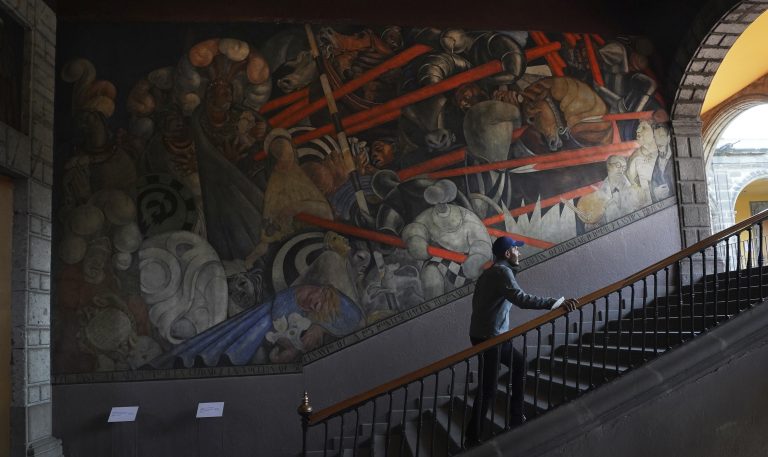
"San Ildefonso, a place steeped in the remnants of religious presence and cultural identity, was the birthplace of muralism. A place where Jesuits conducted their educational work centuries before the earliest murals were created in 1923. In 1572, half a century after the Spanish conquest, Jesuits founded San Ildefonso, a school for seminarians and missionaries with the aim of educating the 'criollo,' descendants of Spaniards who were born in the colony," Chávez exclaimed in awe.

But the Jesuits' thirst for knowledge was not limited to the teachings of Christianity. They went beyond and sought to understand the 'criollo' people's Indigenous spiritual practices and beliefs, resulting in a strengthening of the concept of 'criollo' identity throughout the territory. This allowed Jesuits to impart their knowledge of arts and crafts to the 'criollo' people.

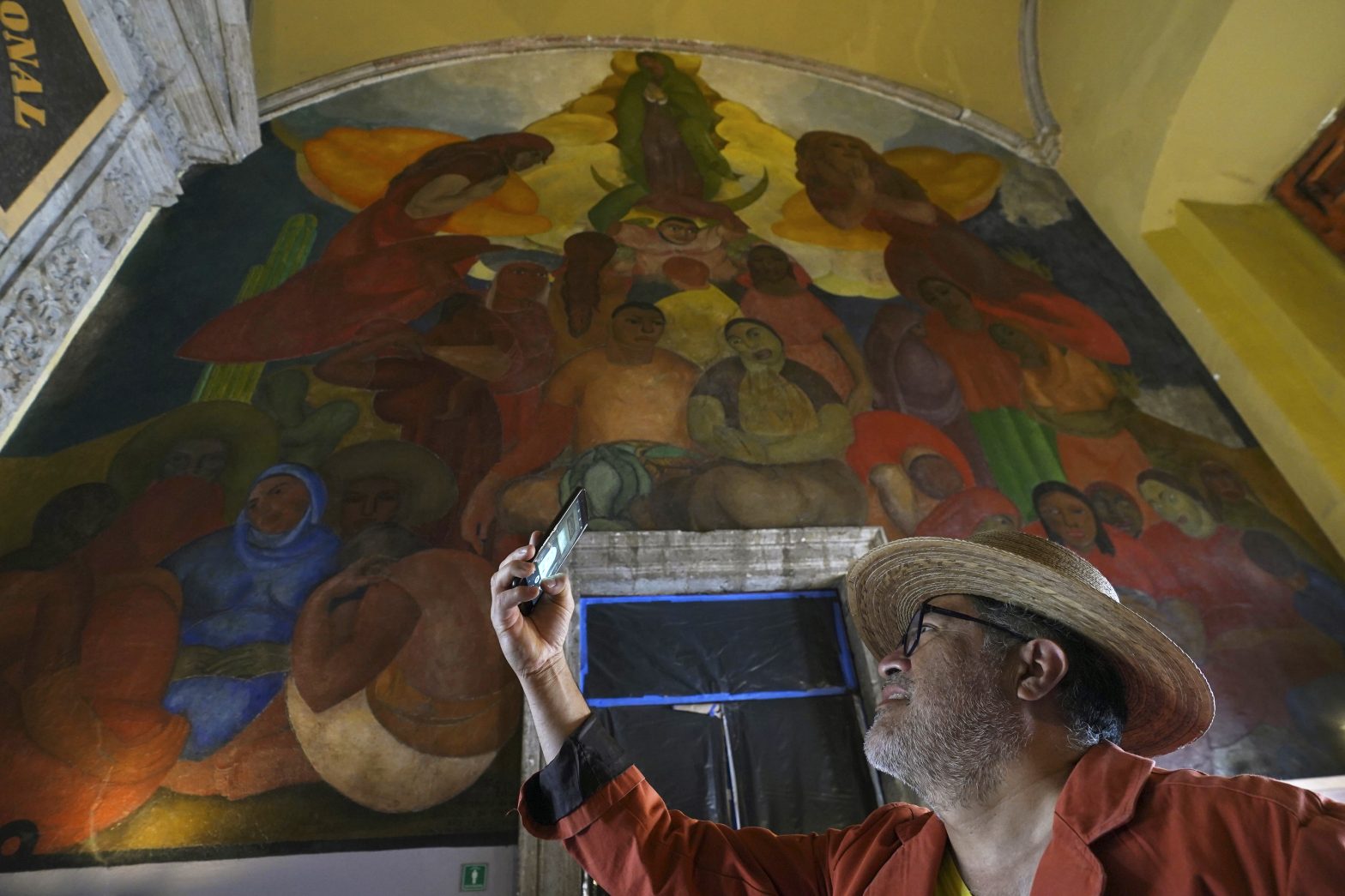
In the 20th century, muralists portrayed this concept in their works. Revueltas' mural, "Alegoría de la Virgen de Guadalupe" ("Allegory of the Virgin of Guadalupe"), is an excellent example. The Catholic image of Virgin Mary is at the top center of the mural, surrounded by her children - men and women with varying skin tones - who pray around her.
Previous Post

The Powerful Legacy of German Expressionism

Next Post

Mystery Jackson Pollock painting, valued at $54m, seized in Bulgaria police raid

Comments