The Powerful Legacy of German Expressionism
-
 Loading...
 - Jantina Tueling
- 08 May 2023
- 89 Views
- 0 Like
- 0 Comment
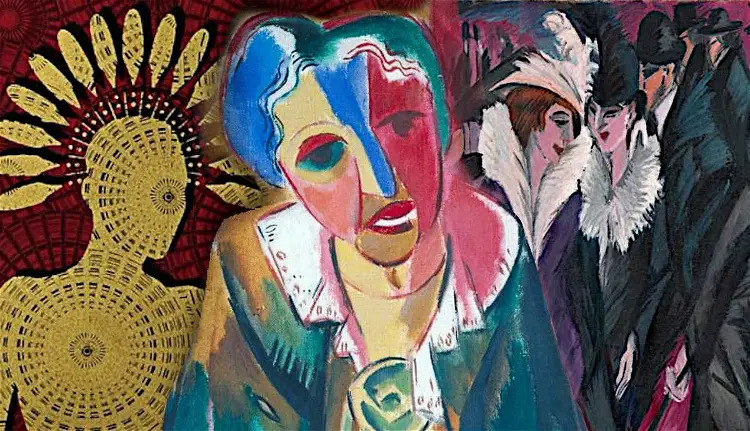
German Expressionism is an art movement that emerged in the early 20th century in Germany. The movement is characterized by its use of intense color, distorted forms, and a focus on the individual's emotional experience. German Expressionism had a significant impact on the development of modern art and continues to influence contemporary art movements.
What is German Expressionism?
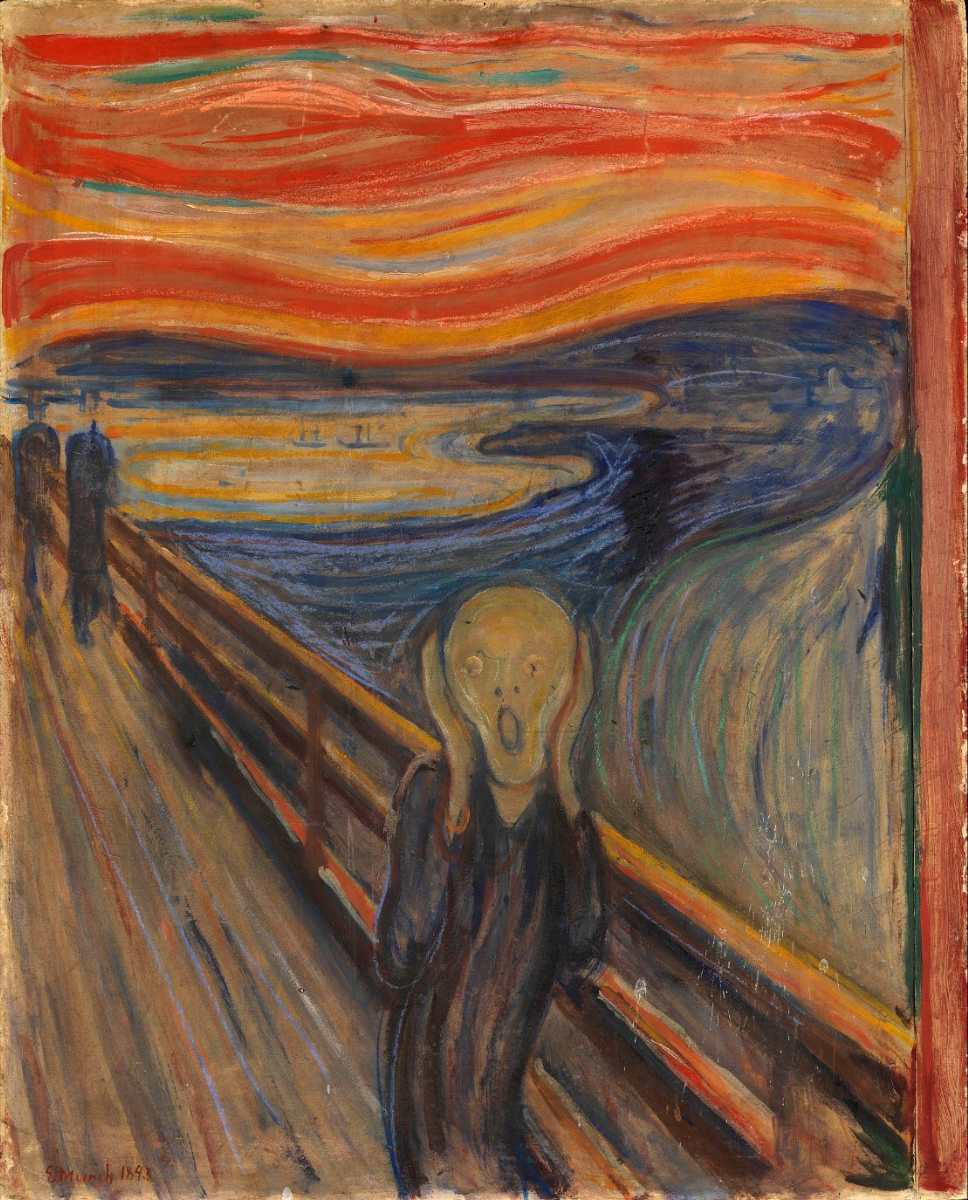
German Expressionism is an artistic movement that emerged in Germany in the early 20th century. The movement rejected traditional art forms and instead focused on the individual's emotional experience. German Expressionists believed that art should be a reflection of the innermost emotions of the artist, rather than a representation of the physical world. The movement is characterized by its use of intense color, distorted forms, and a focus on the individual's emotional experience.
The historical context of German Expressionism
German Expressionism emerged in the context of the political and social upheavals of the early 20th century. Germany was undergoing significant changes as it transformed from a rural, agrarian society to an urban, industrial one. The country was also experiencing political turmoil, with the rise of the Nazi party and the end of the Weimar Republic. These changes had a significant impact on the arts, as artists sought to explore new ways of representing the world around them.
The Beginnings of German Expressionism
The movement began with the formation of the group Die Brücke in 1905. Die Brücke, which translates to "The Bridge," was founded by a group of young artists in Dresden, including Ernst Ludwig Kirchner, Karl Schmidt-Rottluff, and Emil Nolde. The group sought to reject traditional academic art and instead focus on the emotional experience of the individual. They believed that art should be a reflection of the innermost emotions of the artist, rather than a representation of the physical world.
The works of Ernst Ludwig Kirchner
Ernst Ludwig Kirchner was one of the most prominent members of Die Brücke. His work is characterized by its use of intense color and distorted forms. Kirchner was particularly interested in the ways in which modern life impacted the individual. He sought to capture the anxiety and alienation of modern life in his paintings. Kirchner's work had a significant impact on the development of German Expressionism and modern art more broadly.
The Movement Spreads
The ideas of German Expressionism spread throughout Germany, and other artists began to embrace the movement. In 1911, Wassily Kandinsky founded the group Der Blaue Reiter, which translates to "The Blue Rider." The group sought to embrace the spiritual aspects of art, rejecting the materialism of the modern world. Kandinsky's work is characterized by its use of abstract forms and intense color.