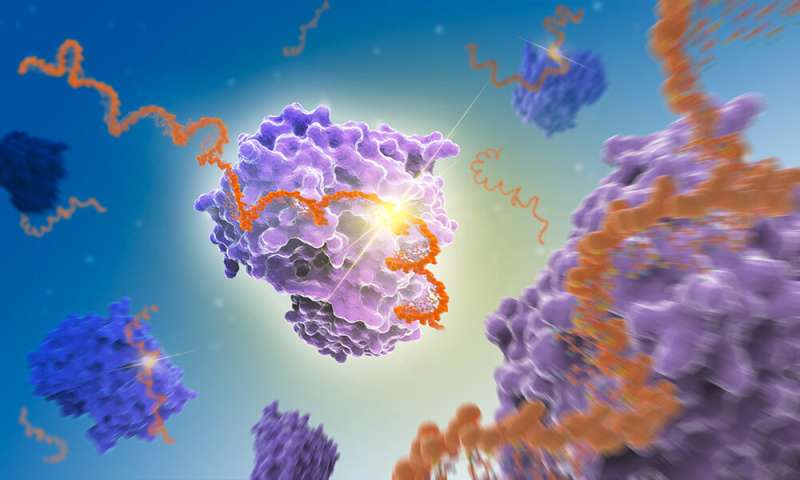
How Natural Nanomotors Could Propel New Drug Delivery Systems
-
 Loading...
 - Arthur Garcia
- 05 Mar 2025
- 37 Views
- 0 Like
- 0 Comment
Natural nanomotors, such as bacteria, offer exciting possibilities for advancing drug delivery systems by leveraging their innate ability to navigate through biological environments. These tiny organisms can be loaded with therapeutic agents, allowing them to move toward specific chemical signals in the body, a process known as chemotaxis. This capability enables targeted delivery of drugs to areas of disease, such as tumors, enhancing treatment efficacy while minimizing side effects.
One of the key advantages of using natural nanomotors is their biocompatibility, which reduces the risk of adverse reactions in patients. Their self-propulsion allows for efficient navigation through complex biological systems, such as blood vessels and tissues, without the need for external energy sources. This autonomous movement can significantly improve the accuracy of drug delivery, ensuring that therapeutic agents reach their intended sites more effectively.
However, there are challenges to consider. Controlling the precise navigation of these nanomotors within the body remains a significant hurdle. Researchers are exploring various methods to enhance guidance systems, including the use of external magnetic fields or chemical signals. Additionally, the introduction of foreign organisms can trigger immune responses, necessitating strategies to modify or coat the nanomotors to evade detection by the immune system.
Looking ahead, the development of hybrid systems that combine natural nanomotors with synthetic materials could enhance their functionality and control. This innovative approach may lead to more effective drug delivery solutions tailored to individual patient needs, optimizing treatment plans and improving outcomes in various diseases. Continued research into the mechanisms of natural nanomotors and their interactions within biological systems will be essential for advancing this promising technology into clinical practice.