Home Upload Photo Upload Videos Write a Blog Analytics Messaging Streaming Create Adverts Creators Program
Bebuzee Afghanistan Bebuzee Albania Bebuzee Algeria Bebuzee Andorra Bebuzee Angola Bebuzee Antigua and Barbuda Bebuzee Argentina Bebuzee Armenia Bebuzee Australia Bebuzee Austria Bebuzee Azerbaijan Bebuzee Bahamas Bebuzee Bahrain Bebuzee Bangladesh Bebuzee Barbados Bebuzee Belarus Bebuzee Belgium Bebuzee Belize Bebuzee Benin Bebuzee Bhutan Bebuzee Bolivia Bebuzee Bosnia and Herzegovina Bebuzee Botswana Bebuzee Brazil Bebuzee Brunei Bebuzee Bulgaria Bebuzee Burkina Faso Bebuzee Burundi Bebuzee Cabo Verde Bebuzee Cambodia Bebuzee Cameroon Bebuzee Canada Bebuzee Central African Republic Bebuzee Chad Bebuzee Chile Bebuzee China Bebuzee Colombia Bebuzee Comoros Bebuzee Costa Rica Bebuzee Côte d'Ivoire Bebuzee Croatia Bebuzee Cuba Bebuzee Cyprus Bebuzee Czech Republic Bebuzee Democratic Republic of the Congo Bebuzee Denmark Bebuzee Djibouti Bebuzee Dominica Bebuzee Dominican Republic Bebuzee Ecuador Bebuzee Egypt Bebuzee El Salvador Bebuzee Equatorial Guinea Bebuzee Eritrea Bebuzee Estonia Bebuzee Eswatini Bebuzee Ethiopia Bebuzee Fiji Bebuzee Finland Bebuzee France Bebuzee Gabon Bebuzee Gambia Bebuzee Georgia Bebuzee Germany Bebuzee Ghana Bebuzee Greece Bebuzee Grenada Bebuzee Guatemala Bebuzee Guinea Bebuzee Guinea-Bissau Bebuzee Guyana Bebuzee Haiti Bebuzee Honduras Bebuzee Hong Kong Bebuzee Hungary Bebuzee Iceland Bebuzee India Bebuzee Indonesia Bebuzee Iran Bebuzee Iraq Bebuzee Ireland Bebuzee Israel Bebuzee Italy Bebuzee Jamaica Bebuzee Japan Bebuzee Jordan Bebuzee Kazakhstan Bebuzee Kenya Bebuzee Kiribati Bebuzee Kuwait Bebuzee Kyrgyzstan Bebuzee Laos Bebuzee Latvia Bebuzee Lebanon Bebuzee Lesotho Bebuzee Liberia Bebuzee Libya Bebuzee Liechtenstein Bebuzee Lithuania Bebuzee Luxembourg Bebuzee Madagascar Bebuzee Malawi Bebuzee Malaysia Bebuzee Maldives Bebuzee Mali Bebuzee Malta Bebuzee Marshall Islands Bebuzee Mauritania Bebuzee Mauritius Bebuzee Mexico Bebuzee Micronesia Bebuzee Moldova Bebuzee Monaco Bebuzee Mongolia Bebuzee Montenegro Bebuzee Morocco Bebuzee Mozambique Bebuzee Myanmar Bebuzee Namibia Bebuzee Nauru Bebuzee Nepal Bebuzee Netherlands Bebuzee New Zealand Bebuzee Nicaragua Bebuzee Niger Bebuzee Nigeria Bebuzee North Korea Bebuzee North Macedonia Bebuzee Norway Bebuzee Oman Bebuzee Pakistan Bebuzee Palau Bebuzee Panama Bebuzee Papua New Guinea Bebuzee Paraguay Bebuzee Peru Bebuzee Philippines Bebuzee Poland Bebuzee Portugal Bebuzee Qatar Bebuzee Republic of the Congo Bebuzee Romania Bebuzee Russia Bebuzee Rwanda Bebuzee Saint Kitts and Nevis Bebuzee Saint Lucia Bebuzee Saint Vincent and the Grenadines Bebuzee Samoa Bebuzee San Marino Bebuzee São Tomé and Príncipe Bebuzee Saudi Arabia Bebuzee Senegal Bebuzee Serbia Bebuzee Seychelles Bebuzee Sierra Leone Bebuzee Singapore Bebuzee Slovakia Bebuzee Slovenia Bebuzee Solomon Islands Bebuzee Somalia Bebuzee South Africa Bebuzee South Korea Bebuzee South Sudan Bebuzee Spain Bebuzee Sri Lanka Bebuzee Sudan Bebuzee Suriname Bebuzee Sweden Bebuzee Switzerland Bebuzee Syria Bebuzee Taiwan Bebuzee Tajikistan Bebuzee Tanzania Bebuzee Thailand Bebuzee Timor-Leste Bebuzee Togo Bebuzee Tonga Bebuzee Trinidad and Tobago Bebuzee Tunisia Bebuzee Turkey Bebuzee Turkmenistan Bebuzee Tuvalu Bebuzee Uganda Bebuzee Ukraine Bebuzee United Arab Emirates Bebuzee United Kingdom Bebuzee Uruguay Bebuzee Uzbekistan Bebuzee Vanuatu Bebuzee Venezuela Bebuzee Vietnam Bebuzee World Wide Bebuzee Yemen Bebuzee Zambia Bebuzee Zimbabwe
Blog Image

How Science Makes Sense of the Natural & Designed World

What is science and how does it work? Learn what it is that has made science so successful, and the impact that has had on our lives. When you're done, take a quiz and see how much you know.

What is Science?

Science is the study of the universe, with the goal of figuring out how it works. And we have a lot to thank science for. Without science we wouldn't have televisions, computers, ventilators in hospitals, cars, cameras, cell phones. In fact practically everything around you is an application of scientific knowledge. The better we understand the universe, the more we are able to manipulate it to get things that we want to happen.

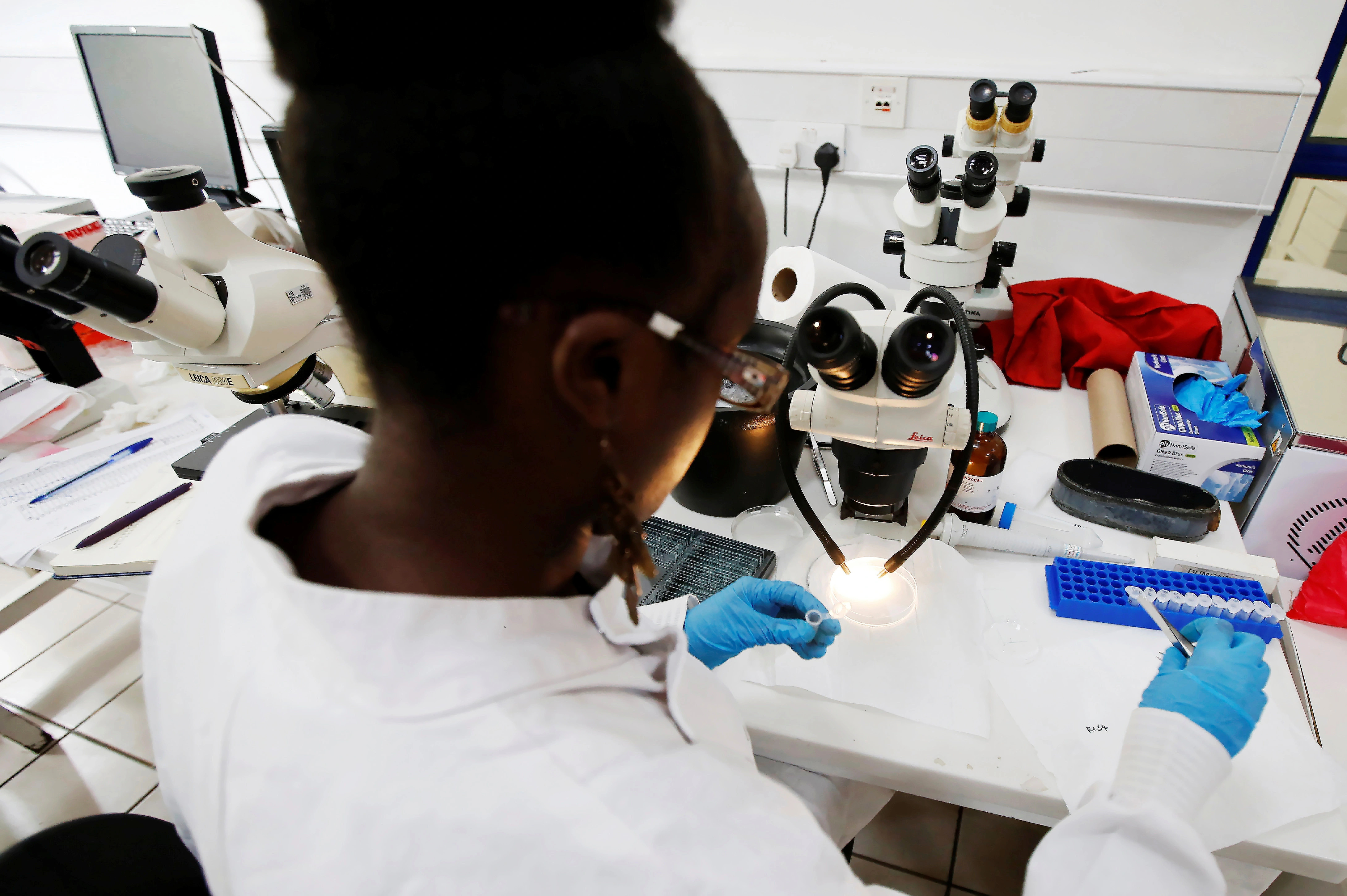
But let's go a bit deeper into what science actually is. Science is the practical and intellectual pursuit that involves the study of the natural world through a systematic process of experimentation and observation. What makes science so great is all about the process, and that process is called the scientific method.

The Scientific Method

The scientific method is the process scientists use to understand the natural world and how it works. In a nutshell, the goal is to find a way to get around the fact that our brains are terrible at being objective and consistent. The only thing consistent about the human brain is its ability to make guesses and have feelings about things that often turn out to be completely wrong. So how do we fix that? We fix it with checklists and processes and systems that make it harder for us to mess up.

The scientific method has several stages:

1. ask a question about the world,
2. come up with a hypothesis,
3. test that hypothesis with an experiment,
4. analyze the data to see if you were right,
5. if you weren't, go back and make a new hypothesis.

This process repeats until there is little to no doubt that you have found the truth. You can also communicate your findings to the world after each experiment, or at the end when you've got to the bottom of it.

For example, maybe you want to figure out what kind of chocolate bar causes the most lethargy later in the day. Your hypothesis is that milk chocolate bars will be worse than dark chocolate. So you come up with an experiment to test it: you randomly assign home-made chocolate bars to volunteers. It's not hard to find people to help, because everyone loves chocolate.

Next, you have them rate their sluggishness for seven days without eating chocolate, and seven days where they do. You analyze your data, and the darkness of the chocolate seems to make no difference. So you come up with a new hypothesis: if it isn't the darkness of the chocolate, maybe it's the sugar! You go back and design a new experiment. And on you go.

The Scientific Method

How do you know when you've found the truth? Well, there are a number of things that help. One is statistics. We can use statistics to analyze our data and figure out how likely it is that our results were just a fluke. This is called the confidence interval. If we have a strong confidence interval, our results are more likely to be accepted by people. Read More...

Previous Post

Nuclear Fuels: Definition, Characteristics & Examples

Next Post

Experts: Tanzania can be hub of space exploration in Africa

Comments