How the COVID-19 pandemic affected pregnant women in Mexico
-
 Loading...
 - Irene Floris
- 19 Oct 2022
- 61 Views
- 0 Like
- 0 Comment
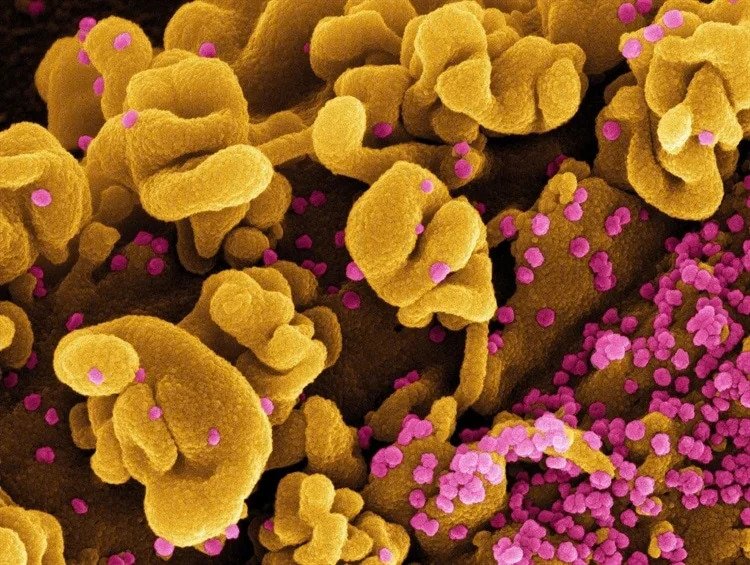
The spread of the severe acute respiratory syndrome coronavirus 2 (SARS-CoV-2), which is the pathogen responsible for the coronavirus disease 2019 (COVID-19), continues to threaten the health and economic welfare worldwide.
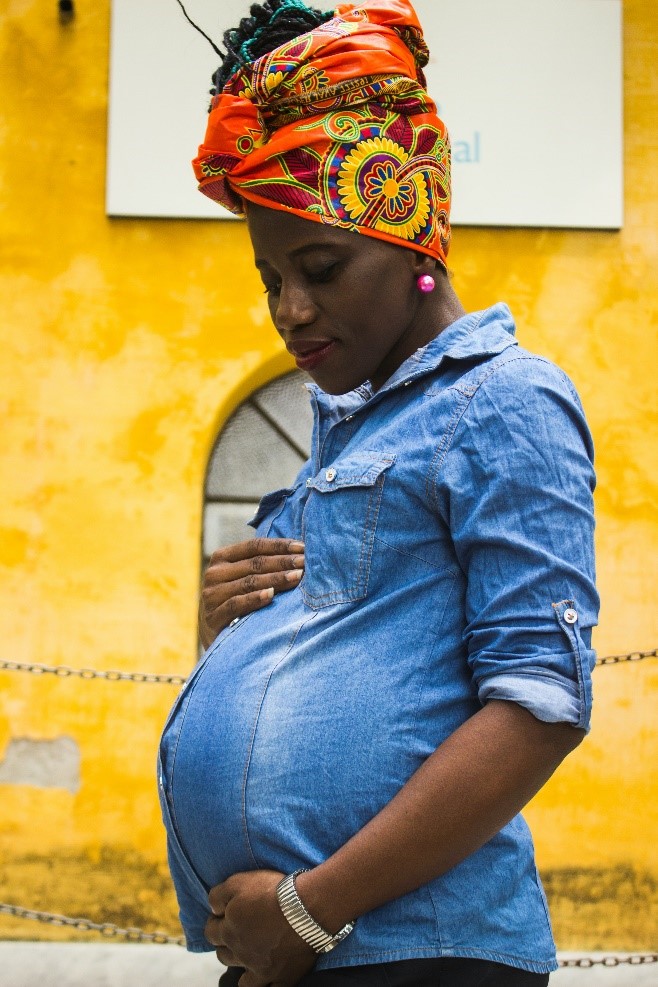
A new study published on the preprint server medRxiv* determines how the pandemic affected pregnant women in Mexico.
Introduction
The high-risk status of pregnant women exposed to SARS-CoV-2 was established because of the various physiological changes occurring during pregnancy that increase the likelihood of a hyper-inflammatory response to the infection. Following infection with SARS-CoV-2, this type of systemic reaction, sometimes called a cytokine storm, has been linked to severe disease, multi-organ dysfunction, and increased mortality risk. Pregnancy-related changes include a postulated shift of the cellular immune population towards the Th2 phenotype, decreased levels of natural killer (NK) cells that reduce the ability of the innate immune system to neutralize SARS-CoV-2, altered progesterone levels, altered Toll-like receptors, increased pressure on the lungs due to the growing uterus, and a less forceful cough that predisposes secretions to remain in these organs.
Hypercoagulability in pregnancy also portends a more severe outcome from COVID-19, which is even otherwise associated with thromboembolism in a third of patients.
Earlier studies have shown a three-fold increased risk of COVID-19 mortality among pregnant women compared to uninfected women. Read More...