Techniques used for SARS-CoV-2 detection in body fluids
-
 Loading...
 - Abam Danso
- 09 Sep 2022
- 110 Views
- 0 Like
- 0 Comment
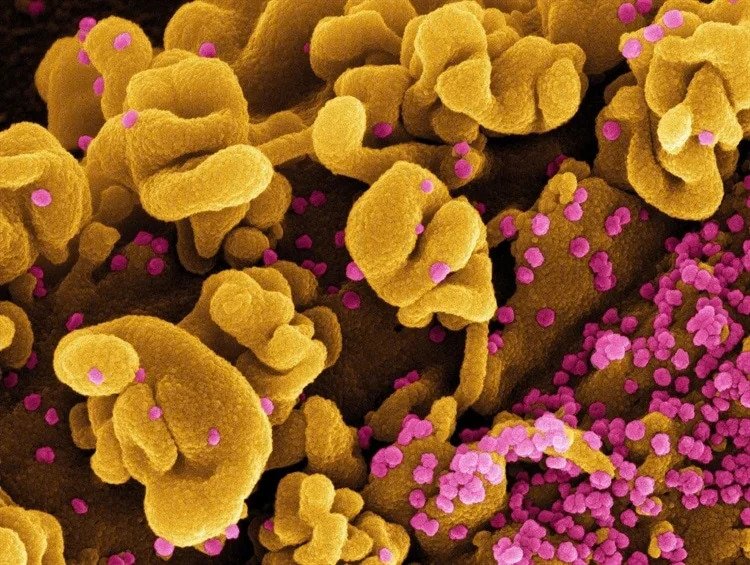
In a recent review published in the journal Trends in Analytical Chemistry, researchers provided a comprehensive overview of the current techniques used for severe acute respiratory syndrome coronavirus 2 (SARS-CoV-2) detection in bodily fluids.
The continual emergence of novel SARS-CoV-2 variants has threatened the diagnostic capacity of existing techniques and vaccine efficacy. The clinical presentation of COVID-19 may not be adequate to discriminate SARS-CoV-2 infections from other pulmonary infections, warranting the need for highly sensitive, specific, and accurate diagnostic techniques for SARS-CoV-2 detection in nasal secretions, saliva, blood, semen, or feces.
About the review
In the present review, researchers comprehensively discussed SARS-CoV-2 detection in body fluids based on the biomarkers used (i.e., surface antigens, antibodies, and nucleic acids) and techniques.
Most diagnostic techniques are based on SARS-CoV-2 antigens, ribonucleic acid (RNA), antibodies, and whole viruses. In addition, techniques such as lateral flow immunoassay (LFIA), enzyme-linked immunosorbent assay (ELISA), and biosensors are used to detect past infection based on anti-SARS-CoV-2 antibody presence or active infection based on SARS-CoV-2 antigen presence.
Molecular techniques for SARS-CoV-2 detection include reverse transcription-polymerase chain reaction (RT-PCR), RT loop-mediated isothermal amplification (RT-LAMP) and clustered regularly interspaced short palindromic repeats (CRISPR). While ELISA and RT-PCR require two to five ≥2 hours for SARS-CoV-2 detection, biosensors and LFIA can detect SARS-CoV-2 within a few minutes. Read More...