How The Touchscreen Of Smartphones Work
-
 Loading...
 - Sokoro Jepkosgei
- 08 Aug 2022
- 92 Views
- 0 Like
- 0 Comment
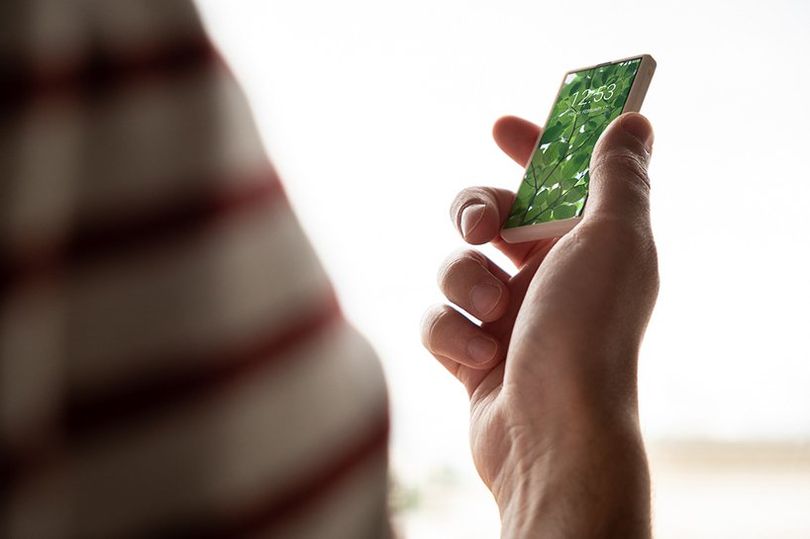
Through the advancement of technology, developers have been able to incorporate the use of touchscreen into recent smartphones, although they are many types of touchscreen display used in touch enable devices this article will be purely based on Overlay-Based Touchscreens which are of two types: that is the Resistive Touchscreens and the Capacitive Touchscreen.
1. Resistive Touchscreens
This type of touchscreen can function as a result of the interaction between two layers, which are the resistive layer and the conductive layer, the resistive layer is placed at the top, then followed by the conductive layer, next is the glass protector and finally the display screen. The resistive layer (which is made of conducting polyester plastic) is separated from the conductive layer (which is made up of conducting glass) by a small insulating membrane or spherical spacers.
According to scienceabc.com how this type of touchscreen works is that when you press/ touch the screen ( resistive layer) it bends and touches the conductive layer, the conductive layer then transmits the current which has originated from the point of contact, and then the processor chip inside the phone uses this current to figure out exactly the location of the point. In simple terms, it uses the pressure of your finger for the flow of electricity.
Resistive touchscreens can register touches so far the two-layer makes contact so if you touch it with a rubber pen it will respond the same way when you touch it with your fingers. These types of screens are very strong and accurate but not so effective, they are used in devices where accuracy is needed over speed such as touch-enabled Automated teller machines. Read More…