Home Upload Photo Upload Videos Write a Blog Analytics Messaging Streaming Create Adverts Creators Program
Bebuzee Afghanistan Bebuzee Albania Bebuzee Algeria Bebuzee Andorra Bebuzee Angola Bebuzee Antigua and Barbuda Bebuzee Argentina Bebuzee Armenia Bebuzee Australia Bebuzee Austria Bebuzee Azerbaijan Bebuzee Bahamas Bebuzee Bahrain Bebuzee Bangladesh Bebuzee Barbados Bebuzee Belarus Bebuzee Belgium Bebuzee Belize Bebuzee Benin Bebuzee Bhutan Bebuzee Bolivia Bebuzee Bosnia and Herzegovina Bebuzee Botswana Bebuzee Brazil Bebuzee Brunei Bebuzee Bulgaria Bebuzee Burkina Faso Bebuzee Burundi Bebuzee Cabo Verde Bebuzee Cambodia Bebuzee Cameroon Bebuzee Canada Bebuzee Central African Republic Bebuzee Chad Bebuzee Chile Bebuzee China Bebuzee Colombia Bebuzee Comoros Bebuzee Costa Rica Bebuzee Côte d'Ivoire Bebuzee Croatia Bebuzee Cuba Bebuzee Cyprus Bebuzee Czech Republic Bebuzee Democratic Republic of the Congo Bebuzee Denmark Bebuzee Djibouti Bebuzee Dominica Bebuzee Dominican Republic Bebuzee Ecuador Bebuzee Egypt Bebuzee El Salvador Bebuzee Equatorial Guinea Bebuzee Eritrea Bebuzee Estonia Bebuzee Eswatini Bebuzee Ethiopia Bebuzee Fiji Bebuzee Finland Bebuzee France Bebuzee Gabon Bebuzee Gambia Bebuzee Georgia Bebuzee Germany Bebuzee Ghana Bebuzee Greece Bebuzee Grenada Bebuzee Guatemala Bebuzee Guinea Bebuzee Guinea-Bissau Bebuzee Guyana Bebuzee Haiti Bebuzee Honduras Bebuzee Hong Kong Bebuzee Hungary Bebuzee Iceland Bebuzee India Bebuzee Indonesia Bebuzee Iran Bebuzee Iraq Bebuzee Ireland Bebuzee Israel Bebuzee Italy Bebuzee Jamaica Bebuzee Japan Bebuzee Jordan Bebuzee Kazakhstan Bebuzee Kenya Bebuzee Kiribati Bebuzee Kuwait Bebuzee Kyrgyzstan Bebuzee Laos Bebuzee Latvia Bebuzee Lebanon Bebuzee Lesotho Bebuzee Liberia Bebuzee Libya Bebuzee Liechtenstein Bebuzee Lithuania Bebuzee Luxembourg Bebuzee Madagascar Bebuzee Malawi Bebuzee Malaysia Bebuzee Maldives Bebuzee Mali Bebuzee Malta Bebuzee Marshall Islands Bebuzee Mauritania Bebuzee Mauritius Bebuzee Mexico Bebuzee Micronesia Bebuzee Moldova Bebuzee Monaco Bebuzee Mongolia Bebuzee Montenegro Bebuzee Morocco Bebuzee Mozambique Bebuzee Myanmar Bebuzee Namibia Bebuzee Nauru Bebuzee Nepal Bebuzee Netherlands Bebuzee New Zealand Bebuzee Nicaragua Bebuzee Niger Bebuzee Nigeria Bebuzee North Korea Bebuzee North Macedonia Bebuzee Norway Bebuzee Oman Bebuzee Pakistan Bebuzee Palau Bebuzee Panama Bebuzee Papua New Guinea Bebuzee Paraguay Bebuzee Peru Bebuzee Philippines Bebuzee Poland Bebuzee Portugal Bebuzee Qatar Bebuzee Republic of the Congo Bebuzee Romania Bebuzee Russia Bebuzee Rwanda Bebuzee Saint Kitts and Nevis Bebuzee Saint Lucia Bebuzee Saint Vincent and the Grenadines Bebuzee Samoa Bebuzee San Marino Bebuzee São Tomé and Príncipe Bebuzee Saudi Arabia Bebuzee Senegal Bebuzee Serbia Bebuzee Seychelles Bebuzee Sierra Leone Bebuzee Singapore Bebuzee Slovakia Bebuzee Slovenia Bebuzee Solomon Islands Bebuzee Somalia Bebuzee South Africa Bebuzee South Korea Bebuzee South Sudan Bebuzee Spain Bebuzee Sri Lanka Bebuzee Sudan Bebuzee Suriname Bebuzee Sweden Bebuzee Switzerland Bebuzee Syria Bebuzee Taiwan Bebuzee Tajikistan Bebuzee Tanzania Bebuzee Thailand Bebuzee Timor-Leste Bebuzee Togo Bebuzee Tonga Bebuzee Trinidad and Tobago Bebuzee Tunisia Bebuzee Turkey Bebuzee Turkmenistan Bebuzee Tuvalu Bebuzee Uganda Bebuzee Ukraine Bebuzee United Arab Emirates Bebuzee United Kingdom Bebuzee Uruguay Bebuzee Uzbekistan Bebuzee Vanuatu Bebuzee Venezuela Bebuzee Vietnam Bebuzee World Wide Bebuzee Yemen Bebuzee Zambia Bebuzee Zimbabwe
Blog Image

How to fight against pancreatic cancer, the silent killer that is defying science

It is the most lethal of tumors, with just 7% of patients surviving beyond five years, and researchers have struggled to make advances in terms of prognosis and detection

They call it the “silent killer.” It knows how to hide itself, to evade the ammunition that can be used to neutralize it, and when it finally shows its face, it’s usually too late. Pancreatic cancer is the most lethal of tumors: life expectancy at the time of diagnosis is barely five months, and just 7% of patients survive beyond five years.

In the last 40 years, scientific advances in the field have been irregular, and there have been scant improvements in prognoses and survival rates. It’s a stone in the shoe of researchers, admits Núria Malats, the head of the genetic and molecular epidemiology group at Spain’s CNIO national oncological research center, and who has spent 15 years looking for risk factors.

“Pancreatic cancer kills patients and also the research career of scientists, although this scenario is changing,” she explains. Without early-detection measures and with the majority of diagnoses in advanced stages of the illness, chemotherapy remains the major weapon against a tumor that is still resisting the promising advances in immunotherapy and other targeted therapies.

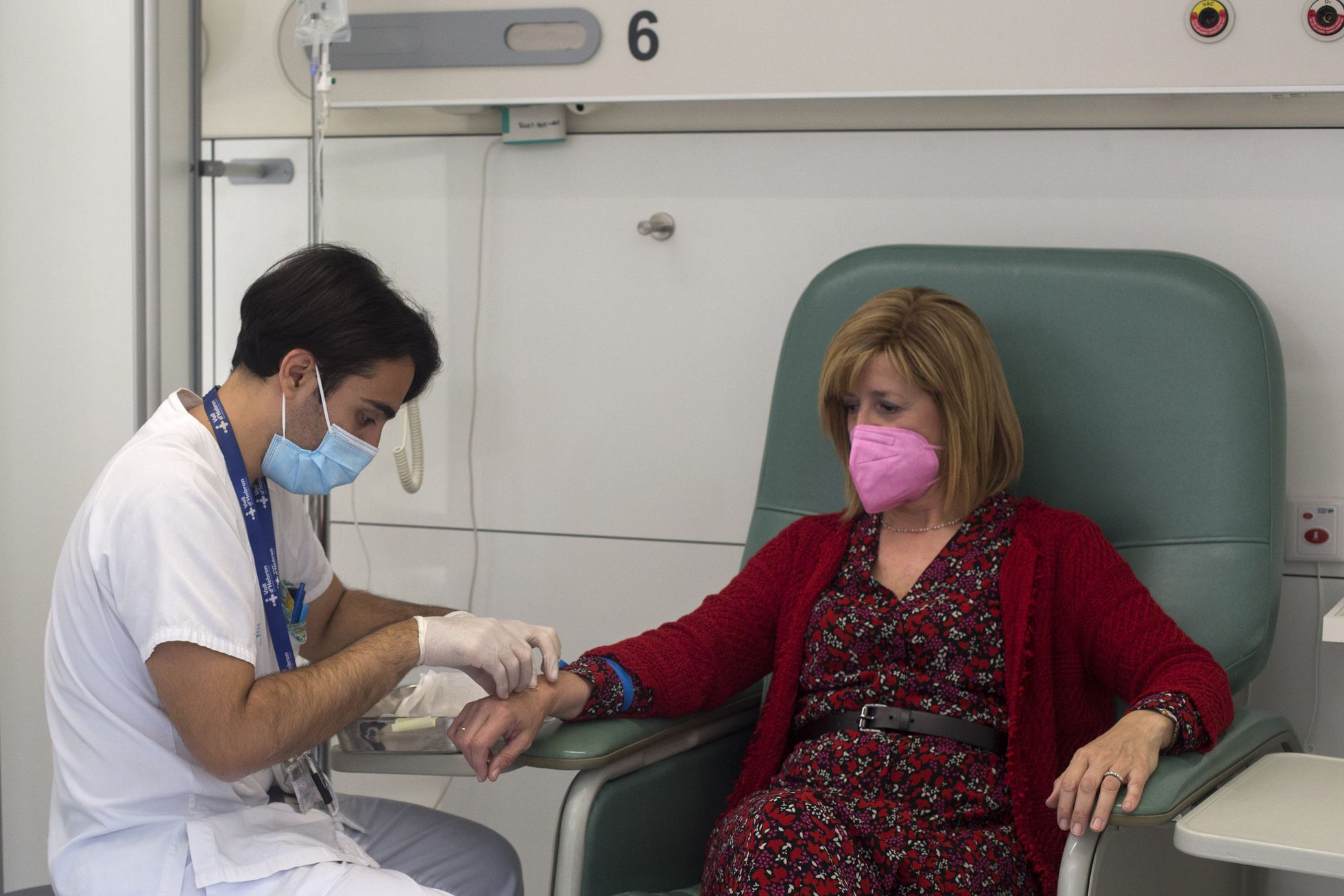
María Belén Villalonga, 56, knows well that science never sleeps. At a routine health check in October 2019, doctors found a pancreatic tumor and she joined a clinical trial with chemotherapy to reduce the malignancy. After six months of treatment, the tumor shrank and surgery was possible. Surgeons removed three-quarters of her pancreas, but three months after the procedure, a metastasis appeared in her liver, and she had to start all over again.

“I did two immunotherapy trials that lasted two months each, but in my case, they didn’t work,” she explains. “We started chemotherapy, which didn’t work either, and then we moved onto more chemo which is like the first round, and which produced a positive reaction by paralyzing the metastasis,” she explains. A former bank executive, she says she now has a “peaceful” life and only wants to “make the tumor chronic.” She trusts “them,” she says in reference to her doctors, as she looks toward her oncologist Teresa Macarulla.

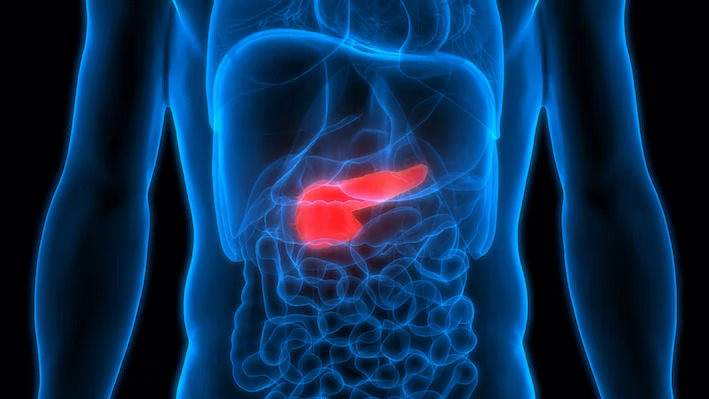
If the battle between science and pancreatic cancer were a card game, the tumor would have the better hand right from the deal. To start with, the organ is located in an area of the abdomen that is hard to see and access. Nor are there methods for early detection, and nor does the nature of the tumor help, given that it tends to quickly spread to other organs.

Symptoms are often non-specific, and can include yellow skin, weight or appetite loss, stomach problems and back pain. According to the European Gastroenterology Union (UEG), at the time of diagnosis, 80% of patients have incurable tumors and in the remaining 20%, only surgery has the potential for cure, although eight of 10 of these cases will relapse. Read More…

Previous Post

ANALYSIS: Will Germany introduce a vaccine mandate this year?

Next Post

Covid-19: What to do if you test positive in Austria

Comments