How to get a blurry background in portraits
-
 Loading...
 - Justine Geelen
- 21 Jun 2022
- 225 Views
- 0 Like
- 0 Comment
A blurry, out-of-focus background is often seen as a sign of a professional or high-quality portrait. While it’s certainly a bit of a simplistic take, it’s undeniable that portraits with a sharp subject and a soft, creamy background are popular, and a look that many photographers want to create. Here’s how.
What makes a background blurry
In photography, the “depth of field” of an image is the amount of it that’s in focus. Most smartphone snapshots and landscape photos have a large depth of field so (almost) everything looks clear and in focus. Portraits with a blurred background, though, have a really shallow depth of field; only the subject (or even a part of the subject like their face or eyes) is actually in focus.
The depth of field of an image is determined by three things:
- The aperture of the lens you’re using.
- The distance between you, your subject, and the background.
- The focal length of the lens you’re using.
Aperture and depth of field
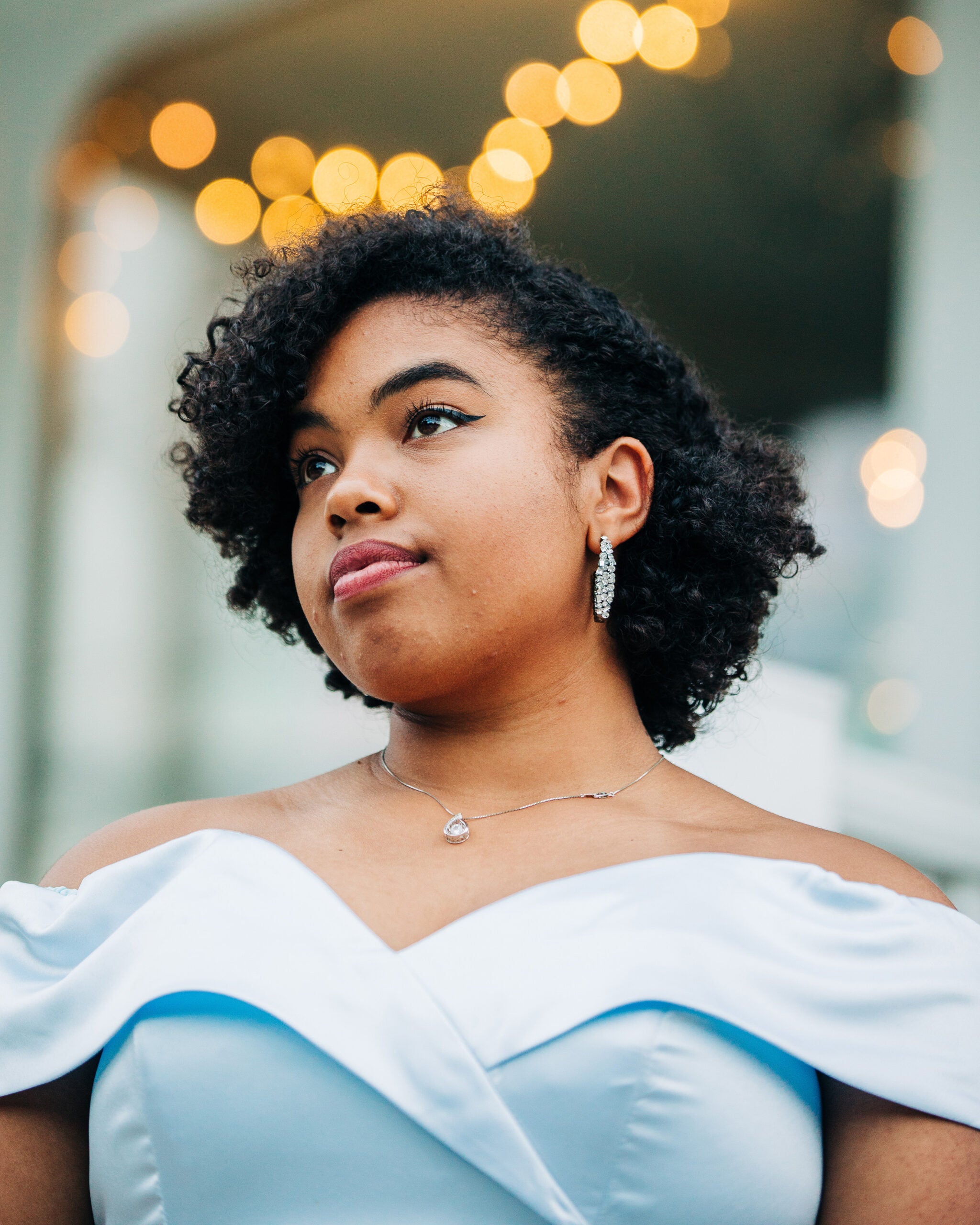
All else being equal, the wider your lens’ aperture, the shallower the depth of field will be. The physics of this gets quite complicated fast, but the important thing to understand is that this holds true regardless of what lens or camera you’re using.
A wide aperture, like f/1.4 or f/2, will result in a noticeably shallower depth of field (i.e. a blurrier background) than a narrower aperture like f/8 or f/11. And very narrow apertures like f/16 or f/22 will result in nearly everything in an image being in focus. There are other tradeoffs that come with using a wide aperture (most lenses are sharpest stopped down a bit) but for a nice blurry background, the widest possible aperture is a good way to go.
Subject-background distance and depth of field
The further something is from the point of focus in an image, the more out of focus it will be. For portraits, this means the greater the distance between your subject and the background, the blurrier your background will appear.
The relative distance between you, your subject, and the background also matters here. The closer you are to your subject compared to the distance between them and the background, the shallower the depth of field will also appear to be.
Imagine taking a portrait of someone a few feet away with a wall behind them. If they’re leaning against the wall, it will be almost the same distance from the camera as they are, so it will probably appear pretty in focus. On the other hand, if they’re standing 20 feet in front of the wall, it’s going to be as out of focus as can be.
Focal length and depth of field
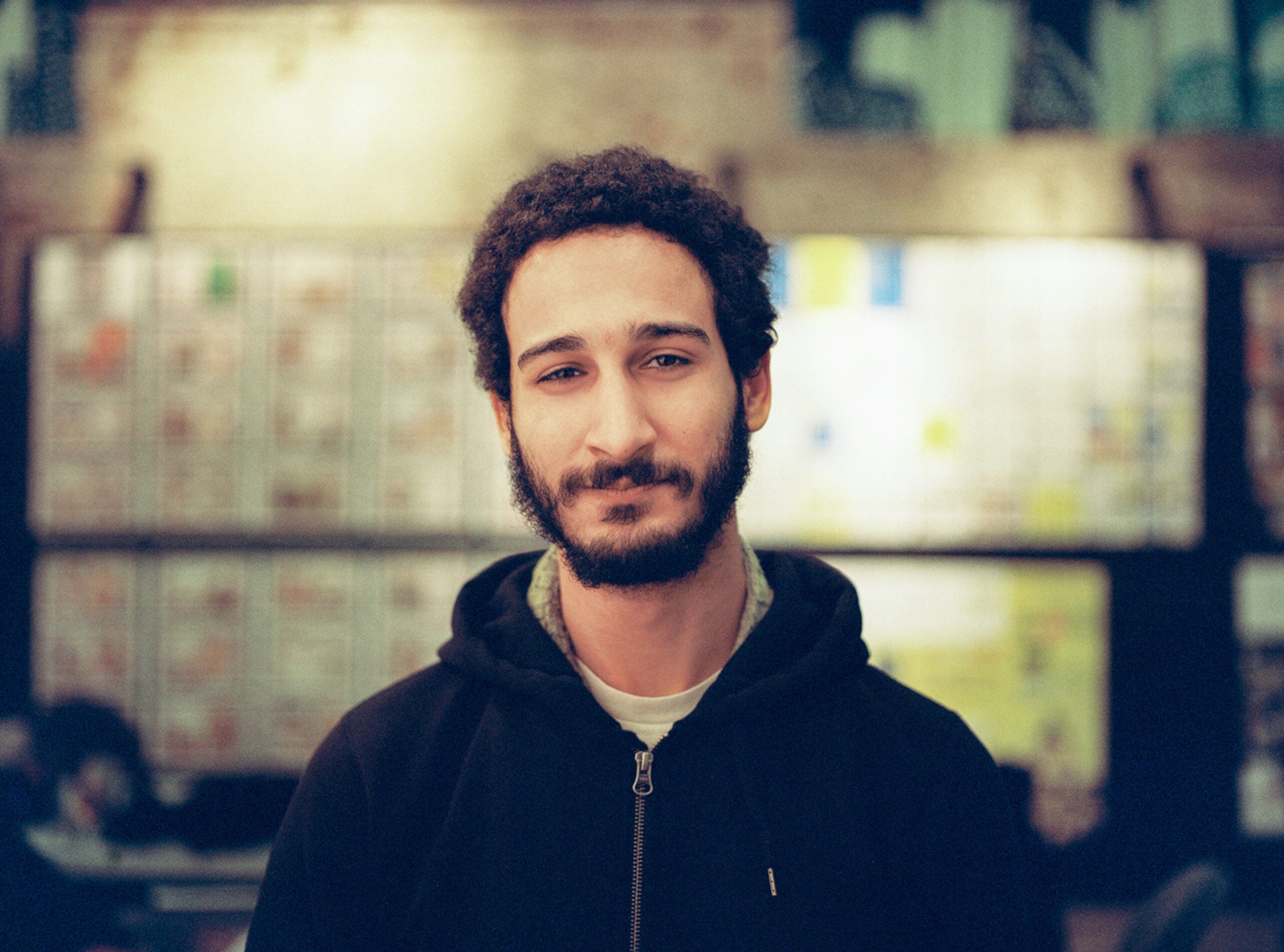
Your lens’ focal length, aperture, and the distance between you, your subject, and the background, all factor into a photo’s depth of field, or how blurry (or not) the background is. Dan Bracaglia
Focal length doesn’t directly affect the depth of field of an image, however, it does affect the kind of images you can take. The longer the focal length of a lens, the more prominent the background will appear; when combined with a wide aperture and sufficient subject-background distance, you get a blurry background and in-focus subject. It’s not that you can’t get a blurry background with a wide-angle lens, but you have to stand very close to your subject which can create distortion and otherwise make for a weird-looking portrait.
Moderate telephoto lenses—between say, 50mm and 150mm on a full-frame camera—make it the easiest to manipulate the distance between you, your subject, and the background while getting a well-composed shot. This is why that focal range is so popular with portrait photographers. Read More...