How to Get Started in Film Photography – A Beginners Guide
-
 Loading...
 - Morowa Awuku
- 29 Aug 2022
- 63 Views
- 0 Like
- 0 Comment
If you’ve ever been looking for something new and fun to explore in photography, then perhaps one of the best things you can do is look at something from the past, namely film photography. Before digital photography was invented, and became mainstream, film photography was the only way you could take photographs.
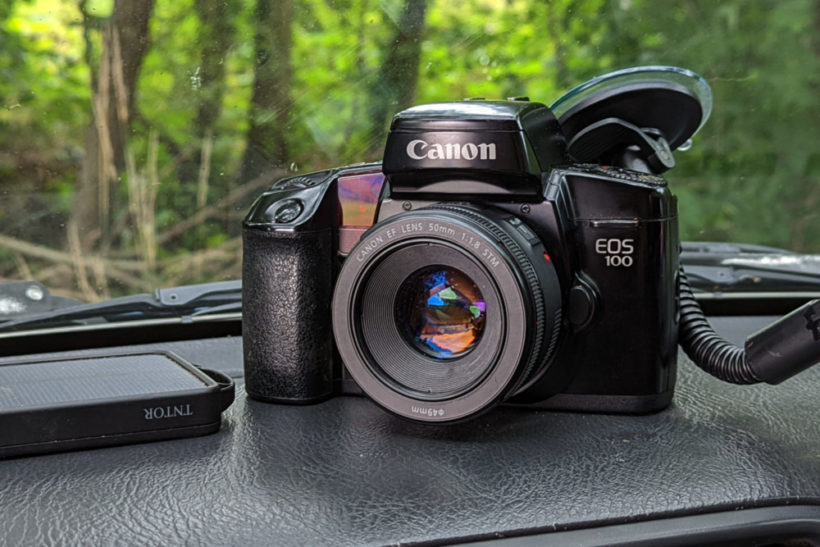
35mm film photography has been around since the early 1900s and doesn’t need to be complicated. It can be as simple as using a disposable point and shoot camera, or as complicated as using a manual focus SLR with manual settings and a light-meter. But whatever option you go for, this guide to film photography will help get you started, so you can enjoy creative photography.
Often at a slower and more thoughtful pace analogue photography can be a magical experience, lacking the “digital” feel of modern cameras, some of the film cameras of the past exude “feel” and some might even say soul.
In this introduction to analogue film photography for beginners, we’ll take you through everything you need to know to get started, as well as explain some of the jargon involved with film photography.
How does film photography work?
Film is a strip of plastic (or similar material) that is coated with light-sensitive emulsion and when this is exposed to light, there is a chemical reaction that records the image in the emulsion on the film. As long as this isn’t exposed to light again, this remains stable, and can then be developed (processed) and printed or scanned to show you the photo you’ve taken. It’s a bit like magic, but it’s actually been refined over 100+ years by people like Kodak, Fujifilm, Ilford and others.

Analog vs Digital photography
Digital photography makes taking photographs easy, with little worry about the cost per photo, in fact once you have the camera and memory card, photos cost you nothing. You can take as many photos as you possibly want, thousands upon thousands. But then you’re left with the arduous task of having to go through those photos to find the best ones.
Film photography changes this, because you have a limited number of shots (24 or 36), and each one costs you money, both for the film cost, and then the development of those photos. So with this in mind, knowing you have a limited number of shots, and knowing each one costs money, you’re forced to slow down, and make each shot count. Make each shot as good as it possibly can be, or capture the special moment in front of you. Moments you want to remember.
Why shoot film photographs?
Shooting with film is a slower process, with more time to think, especially if you’re using a manual camera, and remember how much film and film processing costs. However, shooting with a point and shoot can be a fun experience as you capture memorable moments that mean something, without having to worry about expensive camera kit.
If you’re looking for a fresh challenge, and want to learn how photography was done before digital cameras, it can be a useful experience, and also there’s an element of fun and excitement as you wait to see how your photos will turn out. Read More...