How To Make Samosa In Uganda
-
 Loading...
 - Vivian Kiiza
- 17 Jun 2022
- 282 Views
- 0 Like
- 0 Comment
What Is Samosa?
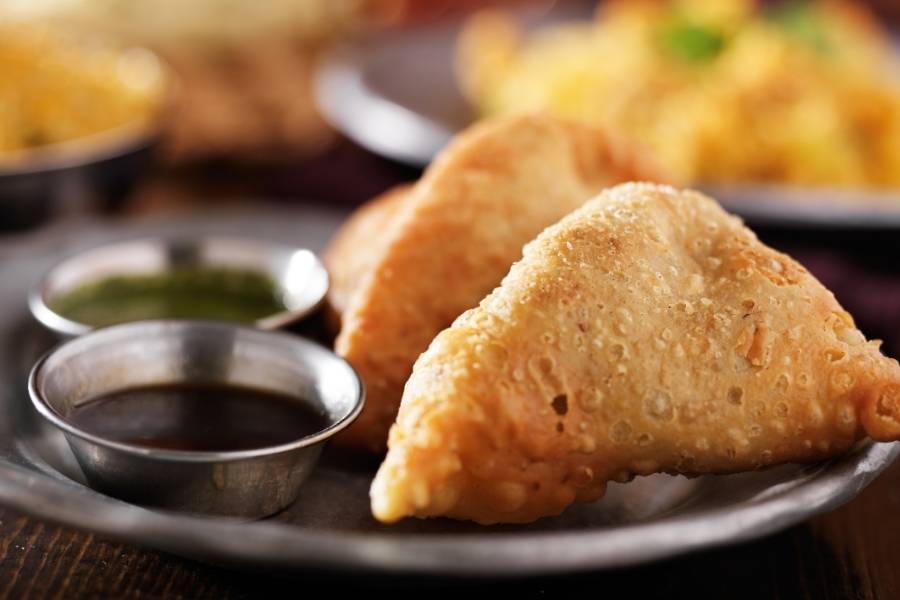
This much loved pastry was passed down to us by the Indian community who once populated Uganda, before they oust. There are many different recipes of this popular pastry which is usually filled with spiced, cooked minced beef, chicken, rice or small pieces of mixed vegetables. It is then folded into triangles, sealed and deep fried. Samosas are not difficult to make, a little practice is all that is needed to make this delightful snack for your family.
Preparation Making Samosa In Uganda
In a large pan over medium-high heat, heat the olive oil. Once hot, add the ground beef. Use a spatula to break apart the meat and cook for 3 minutes. Add onion and cook until beef is brown and onion is translucent, about 4 minutes.Add the garlic, jalapeño, salt, pepper, coriander, cumin, and scallions to the meat. Cook for 2 minutes. Add the peas and cilantro, then cook for another 2 minutes. Remove the meat filling from the heat and let cool.In a large bowl, combine the flour, salt, olive oil, and water. Use your hand or a spatula to mix together. Once the dough pulls away from sides of the bowl, transfer to a lightly floured surface and knead for 4 minutes or until the dough is smooth and soft.Shape dough into a ball and brush with olive oil. Cover with plastic wrap and a warm damp tea towel. Let rest for 30 minutes.
Remove tea towel and plastic wrap and roll the dough out into a 10-inch (25-cm) long log. Cut into 10 even sections. Take one section and roll it into a ball. Place the ball on a lightly floured surface and use a rolling pin to roll it out into a thin circle about 10 inches (25-cm) in diameter. Repeat with the remaining dough. Stack the dough circles as you roll them out, sprinkling a bit of flour between each one and keeping them covered with plastic wrap so they don’t dry out.In a greased large pan over high heat, place one of the circles of dough and cook for 10 seconds on each side. Repeat with remaining dough.Cut one of the par-cooked dough circles into four quarters. Take one quarter and, with the round side closest to you, fold the bottom half to the right. Use the flour paste to seal the fold. Repeat with the left side, crossing over your previous fold to create a cone like pocket. Fill the pocket with meat filling, then fold the remaining tip of the dough towards you and seal with flour paste. Repeat with the remaining dough and filling.In a large, deep pan, heat the canola oil to 350°F (180°C). Once the oil is at the correct temperature, carefully place 4-6 sambusas in the pan. Fry for about 5 minutes, flipping once, until light, golden brown. Remove from oil and drain on paper towels.
Wrapper Making Samosa In Uganda
- 3 cups all-purpose flour(375 g)
- ¼ teaspoon salt
- 2 teaspoons olive oil
- 1 cup water(240 mL), plus 2 tablespoons more
- 1 tablespoon flour, mixed with 1 tablespoon of water
- 3 cups canola oil(720 mL)
- lime wedge, for serving
Ingredients Making Samosa In Uganda
600ml water
For the filling
500g minced beef, washed
2 cloves garlic, finely grated
1 tsp ginger, finely grated
4 tbsp chopped coriander
1 tsp beef masala
4 tbsp water
4 large onions, finely chopped
½ tsp salt
1-2 green chilies finely chopped (optional)
For the sealing paste
4 tbsp wheat flour
3-4 tbsp warm water
Oil for deep frying
Method Of Making Samosa In Uganda
1. Dry fry the minced meat in a pan with the garlic, ginger, coriander, beef masala, onions, salt, water and chilies, if using. Cook separating the meat with a fork until well browned. Simmer covered until fairly dry. Cover and put aside.
2. Make the pastry by sifting the flour with salt and binding with the water. Knead well and leave to rest for about 20 minutes. Divide dough into very small balls of dough. Roll each one to about 8cm and brush a pair with oil and flour. Sandwich together and roll to 20-25cm diameter. Do this to all the balls of dough.
3. Heat a large frying pan and dry each circle of pastry on both sides. Separate the layers and keep in a clean damp dish cloth. Cut the circles of pastry into 2-3 equal sections. Read More...