How To Go Gorilla Trekking In Uganda
-
 Loading...
 - Charles Biira
- 23 Jun 2022
- 151 Views
- 0 Like
- 0 Comment
The African continent is renowned for its once-in-a-lifetime wildlife sightings and encounters. However, few are as highly sought-after (or as frequently featured on traveler bucket lists) as coming face-to-face with Mountain Gorillas in their natural habitat.
Listed as one of Africa’s critically endangered species, there are approximately 1000 mountain gorillas left in the wild. These mountain gorillas can be found in the area known as the Virunga Mountains, and live in:
· Bwindi Impenetrable National Park and Mgahinga Gorilla National Park in Uganda.
· Volcanoes National Park in Rwanda.
· Virunga National Park in the Democratic Republic of the Congo.
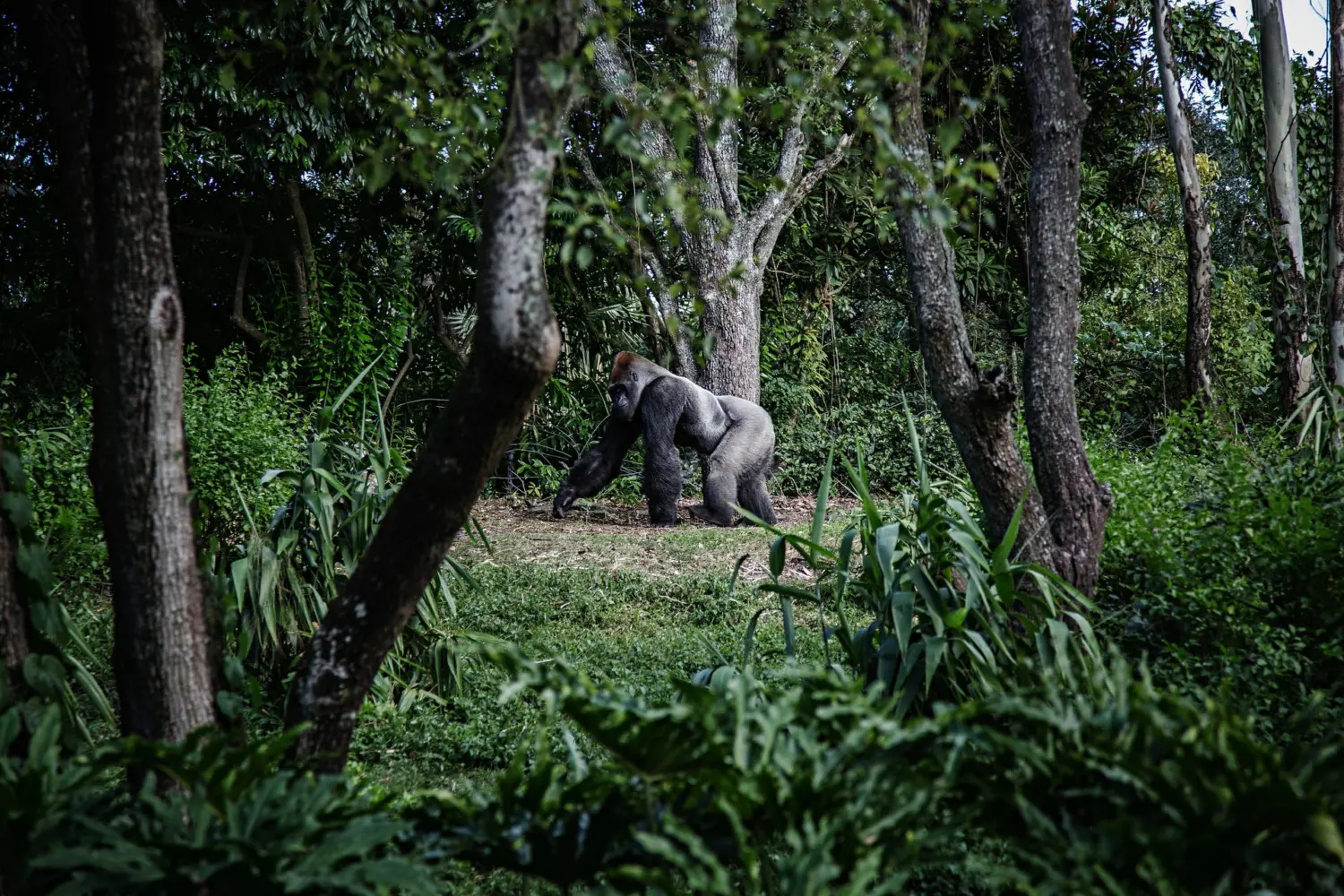
Bwindi Impenetrable National Park is home to nearly half the planet’s remaining mountain gorillas. Carefully protected in the Impenetrable Forest of Bwindi, this esteemed national park is one of only three places in the world where travelers can see these remarkable and rare critically endangered mountain gorillas in the wild.
WHAT IS GORILLA TREKKING?


Gorilla Trekking is an extraordinary bucket-list worthy adventure where you hike, bushwhack, and trek deep into Africa’s Virunga conservation region and Bwindi impenetrable forest in search of rare mountain gorillas in their natural habitat. Trekking into their native forests is the only way to see these critically endangered gorillas, as they cannot survive in captivity. Trekking for gorillas in Africa’s emerald rainforests and observing the everyday interactions of these vulnerable primates is arguably one of life’s greatest privileges and most powerful wildlife experiences.
Follow gorilla families as they go about their daily lives. Observe how a mother tenderly feeds her young while being cognisant of the cautious stare from a 200kg (440lbs) silverback as he keeps a protective eye over his troop. Locking eyes with a distant relative is a profound experience that makes spending time with gorillas in Africa an unsurpassable wildlife encounter.
Gorilla trekking is best early in the morning. Typically trackers who know the gorillas well will head off into the jungle at first light to look for their gorilla family. Once they find them, they will radio through to the rangers, who will be waiting for you at the start point – This is when the gorilla trekking adventure begins!
There are a number of different gorilla families you can visit, living in various areas around the Virunga Mountains. In Uganda there are 19 habituated (meaning they are used to humans) gorilla families in Bwindi and 1 in Mgahinga. In Rwanda there are approximately 10 habituated gorilla families.
**Important Note: In order for you to go gorilla trekking in Uganda and/or Rwanda you need to apply for a gorilla trekking permit. These permits can be rather costly. The cost of a gorilla trekking permit various from one country to the next.
BEST TIME OF THE YEAR FOR GORILLA TREKKING IN UGANDA
· Best time: Uganda’s Dry Months | June – September | December – February
· Budget-conscious: Uganda’s Low Season | March – May | October – November

Uganda experiences two dry and two wet seasons in a year. Although a Uganda gorilla trekking expedition is considered a year-round activity, most visitors and wildlife enthusiasts prefer the drier months of June to September and December to February, when trekking conditions are more favorable.
However, as gorilla trekking in the forests of Uganda are great, and equally thrilling, right throughout the year, many travelers prefer to visit Uganda during its low season – March to May and October to November. Not only will you be able to tick an unforgettable gorilla trekking experience off your bucket-list, but Uganda’s parks are less crowded and accommodation facilities are far more affordable due to the fewer visitors during the low season.
Uganda’s low season is regarded as the best time for budget-conscious visitors interested in a Uganda gorilla trekking trip.
WHAT IS THE TREK LIKE IN UGANDA?

As the mountain gorillas cover large territories in Uganda tracking time can vary greatly from day to day. The time it takes to trek gorillas is completely unpredictable and can take anywhere from one hour to nine hours or in some cases even longer.
**Extra Tip: Be sure to communicate your fitness level to your tour operator so they can recommend the best trek based on endurance.