How to order a steak when you're eating out

Ordering a steak in a restaurant can be a rather intimidating experience, especially if it’s not something that you eat often. Though you may think your waiter or fellow diners are judging you, often it’s not the case, and being all clued up about your options will make the whole experience a breeze.
First things first – be familiar with the different cuts before you order
 Fillet
This comes from the large cut of beef – called the beef tenderloin – before it’s sliced into steak. The French name, ‘fillet mignon’ is given to the steaks once cut up. The texture is soft and melt-in-your-mouth, but the cut usually has very little flavour.
Flat iron steak
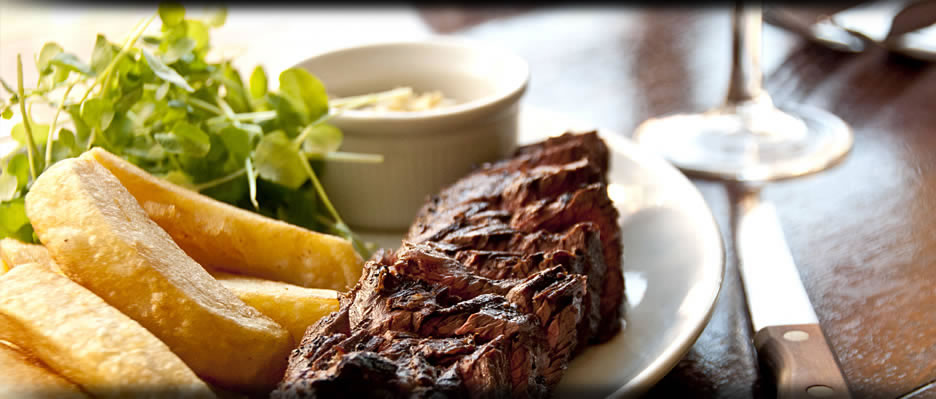
This cut has a good amount of marbling (the intramuscular fat), resulting in a steak that’s wonderfully tender. It’s a cut that’s gained popularity in the last few years because it really delivers on flavour while being a bit cheaper than more expensive cuts. It comes from the shoulder of the animal (also called the chuck).
 Rib-eye
This is a cut from the rib section of the animal. It’s hugely popular as it has a rich, juicy flavour with a decent amount of marbling.
Rump
This steak comes from the back of the animal, which is the part that works physically hard (when it walks or runs). It’s juicy and full of flavour, but can also be chewier in texture.
Sirloin
This comes from the back of the animal, behind its ribs but ahead of the rump area. The steaks have less fat content than a rib-eye and the meat tends to be slightly denser.
T-Bone
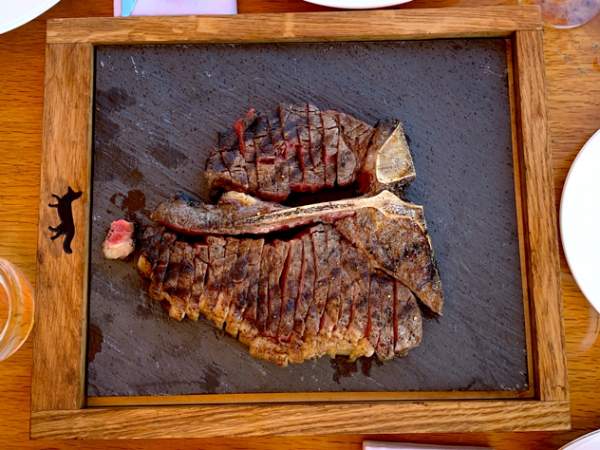
The T-bone and porterhouse are cut from the short loin. Both have a T-shaped bone with meat on each side. The steak is usually thick and is often seen as having the best of both worlds when it comes to flavour, as it has a portion of the fillet and a portion of strip loin.

Know how you want it cooked
Remember that you’re eating the steak, so order it the way you enjoy it, not how anyone else thinks you should be eating it.
Here’s a quick guide:
Blue/bleu
Bleu in French cooking means cold, and steak cooked to this level of doneness is hardly cooked at all, since it requires very little heat. In fact, the steak’s internal temperature should be less than 29ºC. The outside is seared lightly, but the inside remains uncooked.

“Lightly stunned and still breathing,” said Dominique Ohrablo, while Chantel Smith-Porelli’s father has a very specific order: “When going to a restaurant with my dad and they ask him how he would like his steak done, his answer is, ‘Just wipe the [behind] and chop off the tail, thanks!'” Read More…