How To Photograph Creative Silhouettes In 5 Easy Steps
-
 Loading...
 - Noemi Alonge
- 11 May 2023
- 61 Views
- 0 Like
- 0 Comment
Silhouettes, the art of photographing dark figures against bright backgrounds, are an interesting way to add depth and mystery to your photographs. To create compelling silhouette shots.
1. Pick A Strong Subject
it's important to choose a subject with a recognizable and well-defined shape. This will help the subject stand out in the image and add visual interest.
Possible subject choices include:
- Big wheels at fairgrounds or those found in cities.
- Statues which can be found in most parks and gardens.
- Trees, particularly on misty mornings.
- Tunnels or bridges make great frames for subjects when silhouetted.
- People but remember that shooting them side on will show more shape when still.
2. Choose A Light Source
In order to create a silhouette, it's essential to use a light source that's brighter than your subject. This could be the sun, a lamp, or any other light source, as long as it's positioned behind your subject. When photographing against a bright background, the camera's flash will usually fire to even out the exposure.
3. Switch The Flash Off
it's important to turn off the flash and deliberately underexpose the shot.
When you take your camera out of its bag and use auto mode to take a shot of your subject sat against a bright background, generally the flash will fire to lighten the foreground and even out the exposure. This is usually fine but as we want to deliberately underexpose our subject, you need to make sure the flash is turned off.

4. Underexpose Your Shot
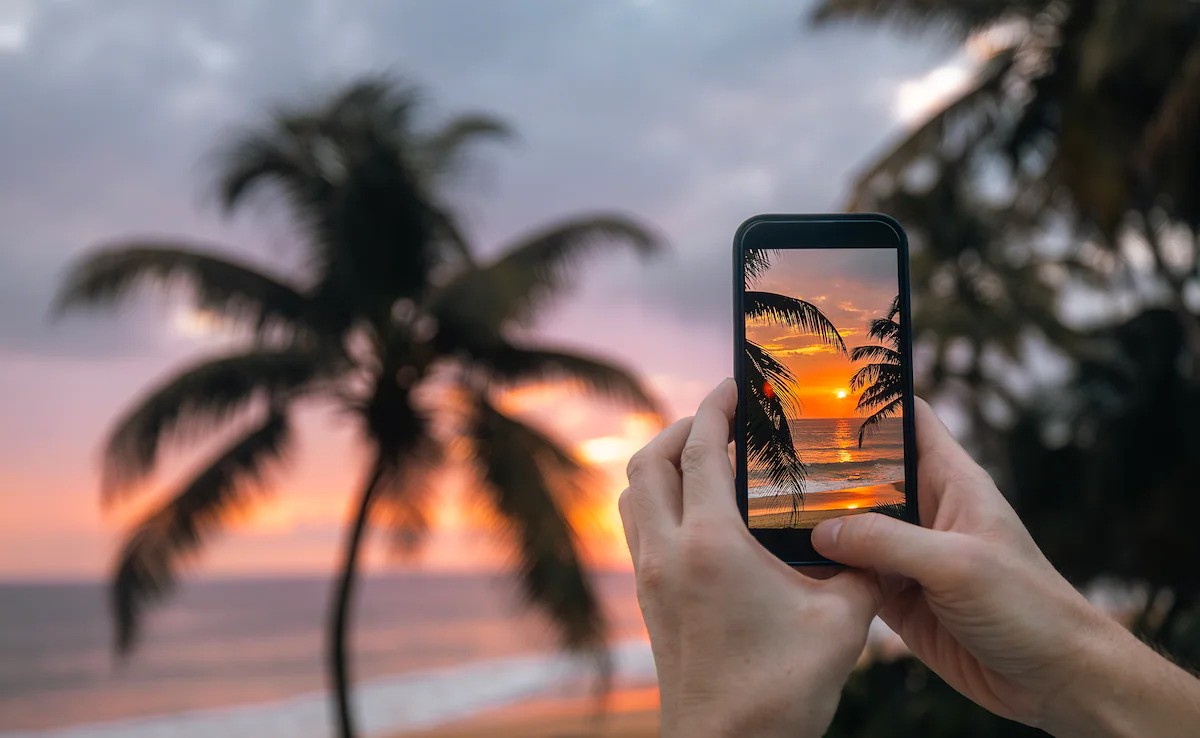
To create the silhouette effect, point the camera at the brightest part of the scene and hold down the shutter button halfway. Then, reframe the shot and press the button the rest of the way to capture the image. It may take some experimentation to get the desired effect, but using the Sunset Mode can help further enhance the silhouette.
5. Check The Shot's Focus
When using the half-press technique, it's important to note that the camera will also focus on that spot, which can result in a lack of sharpness. To avoid this, try manually focusing or using Landscape mode to ensure front to back sharpness. Additionally, exposure compensation can be used to deliberately underexpose the shot, which will also help with focusing.
In summary, creating compelling silhouette shots requires a strong subject, a bright light source behind the subject, and deliberate underexposure. With these tips, you can experiment with silhouettes and add depth and intrigue to your photographs.