How to Photograph the Milky Way
-
 Loading...
 - Kuntum Chua
- 23 Mar 2023
- 66 Views
- 0 Like
- 0 Comment
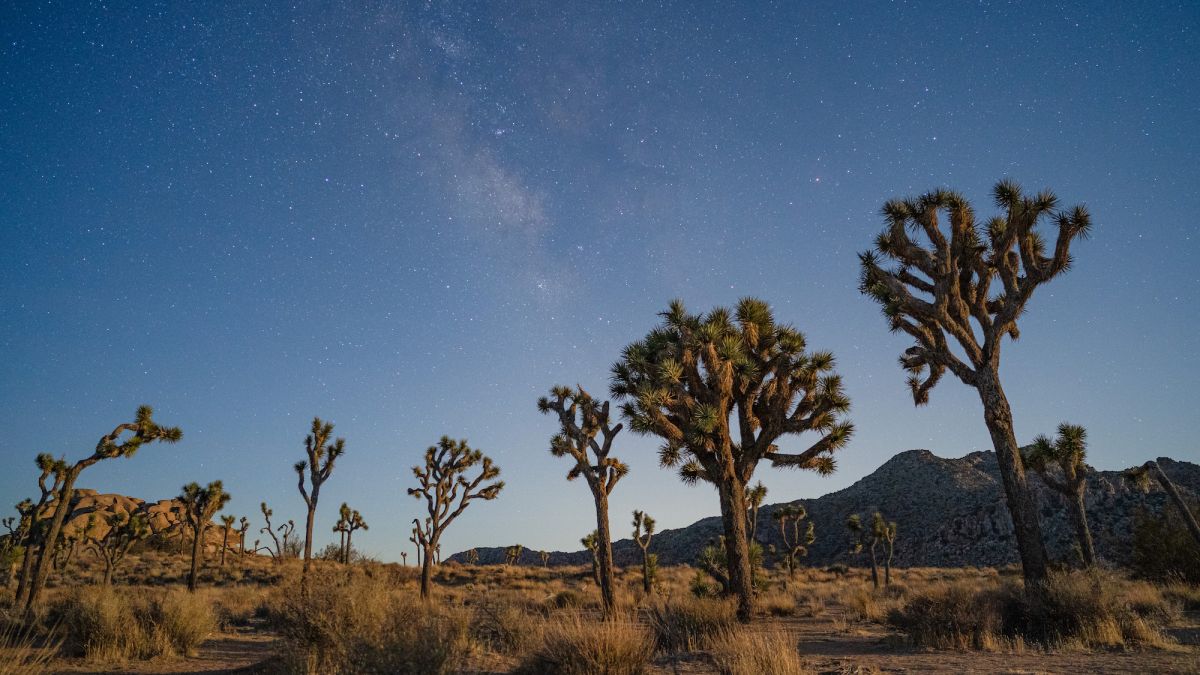
Welcome to our complete guide on how to photograph the Milky Way! The Milky Way is one of the most stunning sights in the night sky, and photographing it can be a truly rewarding experience. However, capturing the beauty of the Milky Way requires some knowledge and preparation. In this guide, we’ll walk you through everything you need to know to successfully photograph the Milky Way, from the best time and location to shoot, to the equipment and camera settings you’ll need, and even post-processing tips to make your images truly stand out. Whether you’re a beginner or an experienced photographer, this guide will provide you with all the information you need to take stunning photographs of the Milky Way. So, let’s get started and explore the wonders of the galaxy together!
Plan the Best Times and Locations for Milky Way Photography
When learning how to photograph the Milky Way, it’s important to remember that timing and Location are critical for good Milky Way photography. The milky way core is not visible every single night of the year and varies by hemisphere. Here is a brief summary for the northern hemisphere. For the southern hemisphere, add or subtract 6 months.
- Mid-February – The Milky Way core will rise just before sunrise.
- April – The Milky Way will rise at about midnight, and be visible in the sky for the rest of the night.
- Mid-June, The Milky Way will rise just after sunset, and will be visible all night long.
- July – The Milk Way will have already risen by the time it gets completely dark and it will set during the night.
- August-October –The Milky Way will still be visible; however, it will set earlier and earlier each night, until in October when there will only be a very brief window of visibility before the Milky Way sets.
- November, December, and January, the Milky Way core will not be very visible at all.
In addition, Milky Way photography requires little to no light pollution, little to no moon light, and little to no clouds. We’ve dedicated an entire article on The Best Time To See The Milky Way, so be sure to read that before heading out! Read More…