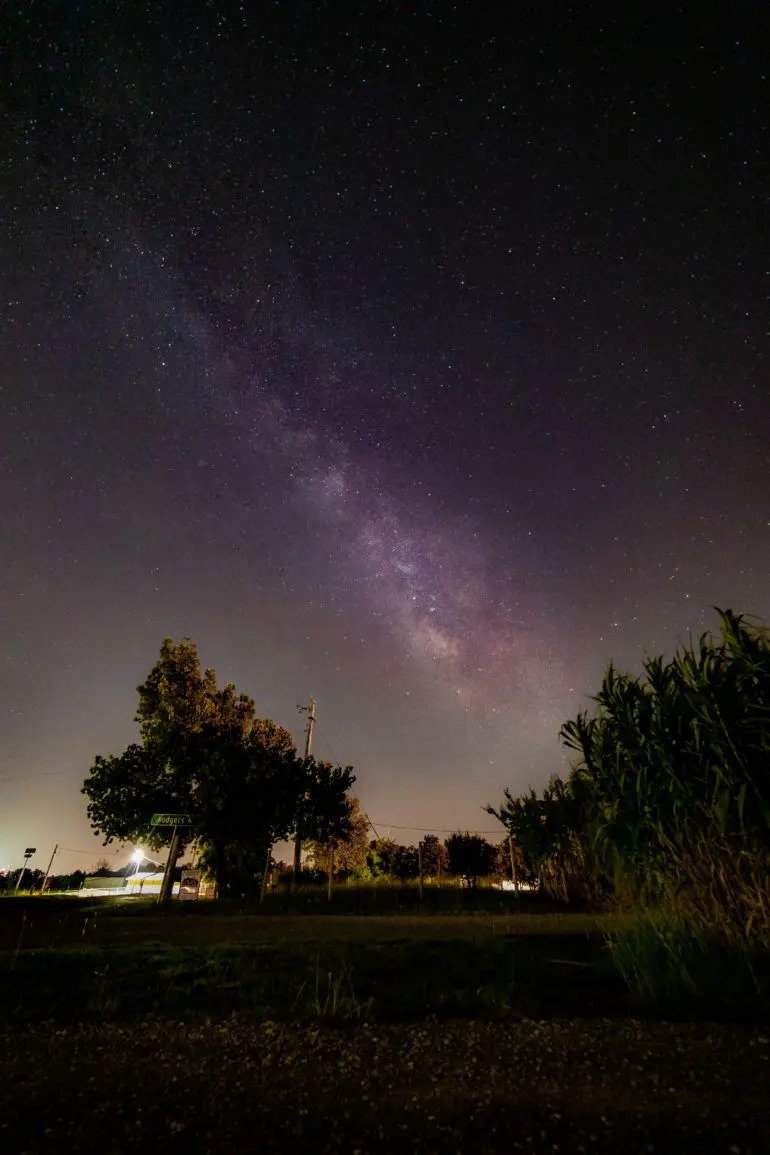
How to Shoot Great Astrophotography Without Photoshop
-
 Loading...
 - Brice Fontaine
- 22 Jun 2022
- 183 Views
- 0 Like
- 0 Comment
One of the most liberating things about modern cameras is just how far the technology in some of them has come. Lots of photographers love to shoot astrophotography, but end up spending a while in post-production layering and compositing photos. But what if you didn’t need to? That’s the focus of today’s short Useful Photography Tip. Here’s how to do astrophotography without needing Photoshop. In fact, you could even do this in-camera.
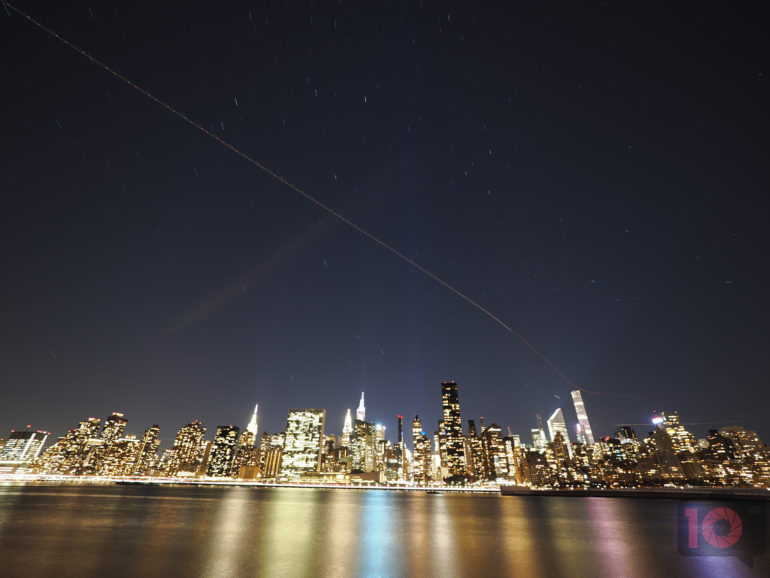
- Use the Starry Sky AF feature. This helps make sure the stars are always in focus. If you’d like you can get the focus and then lock it by switching the camera or lens to manual focus. NOTE: Technically, once you have used the Starry AF, it stays on that same focus point until you re-engage Starry AF another time.
- You can set up various parameters in the Bulb/Composite settings within your camera’s menu system.
- Lock your white balance. OM SYSTEM cameras do a fantastic job as it is, but it doesn’t hurt to take extra steps.
- Set your exposure to no more than one stop darker than the light meter tells you. The camera system is going to stitch everything together if you’re shooting for a longer period.
- If you’re shooting for an overall shorter amount of time, then try to nail the exposure as perfectly as you can.
- Dim the camera screen and disable exposure preview by using Simulated OVF to prolong the battery life.
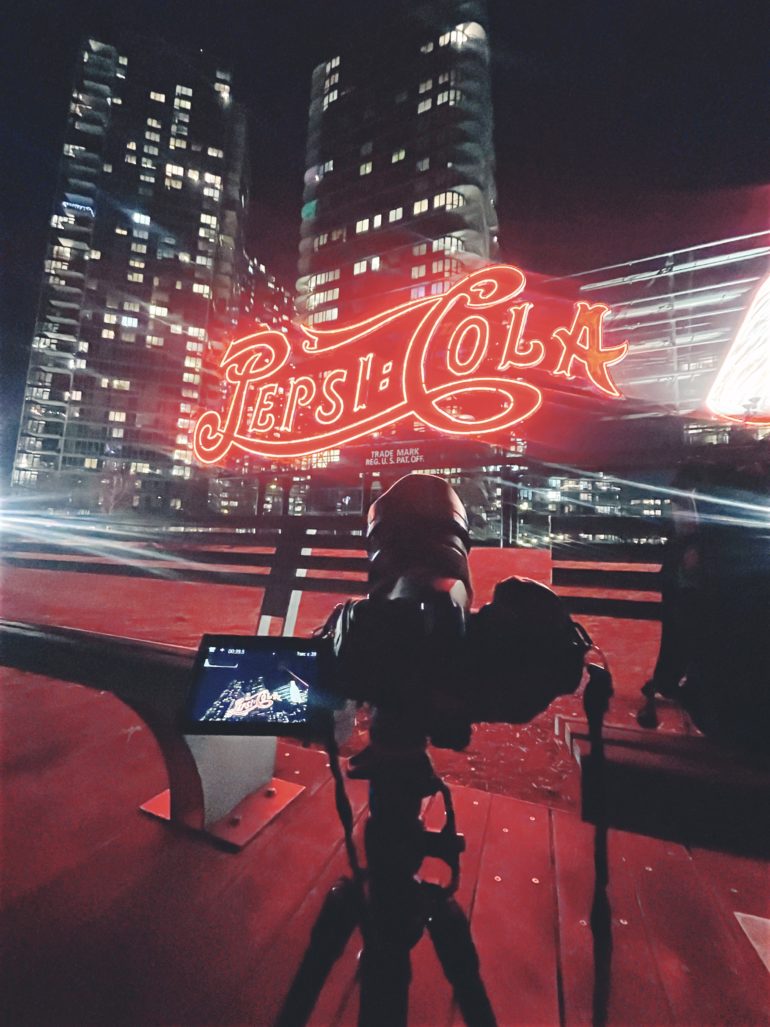
- Use a sturdy tripod and place it somewhere that offers little shake. If you’re on a waterfront pier, people coming by can shake the planks and cause camera shake.
- Stay by the camera and check on it to see what sort of photo develops.
- Shoot RAW and JPEG. It’s fun to sometimes make minor edits in post-production software. But Live Composite will mean you don’t have to spend more than a few minutes editing.
- Don’t stop your lenses down beyond f4. It’s the equivalent of f8, and with the right focusing that’s more than enough.
- Using the lowest ISO setting makes sense.
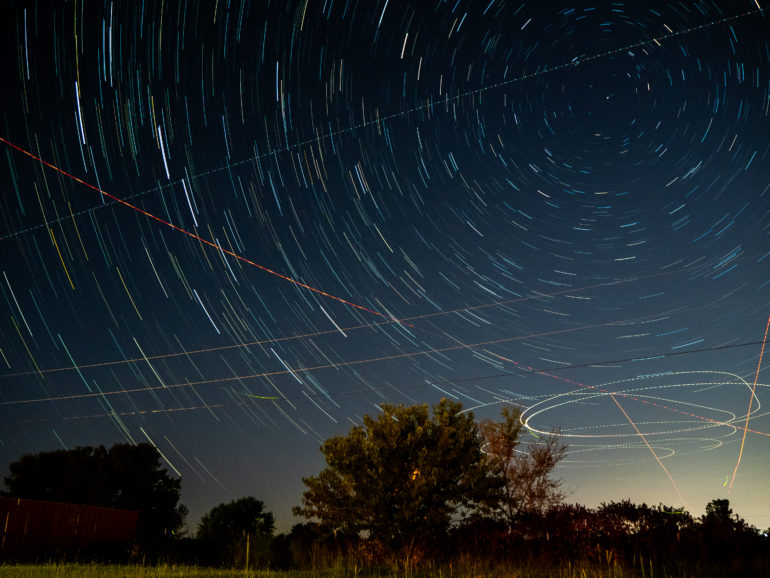
This is a really cool and fun feature when rare astronomical events happen like meteor showers, etc. Wide-angle lenses do a phenomenal job of capturing the entire sky. But if you’re looking to get just a specific part, go for a telephoto lens. Luckily, OM SYSTEM has a ton you can choose from. Happy shooting! Read More...