How to Use a Light Meter in Photography
-
 Loading...
 - Maria Asenova
- 23 Sep 2022
- 67 Views
- 0 Like
- 0 Comment
For decades, there’s a piece of gear that I’ve always had in my camera bag. This would be a handheld light meter. I feel I’m in the minority these days by still using a handheld light meter and that’s too bad this is so.
While one can certainly shoot using their in-camera meter, there are cases where it’s not the best choice or even feasible to do so. In this guide, we will cover everything from what a light meter is to how to properly use one in your photography.
Table of Contents
What is a Handheld Light Meter?
Reflected vs Incident Metering
How to Use an Reflective Light Meter
How to Use an Incident Light Meter
Metering Flash
Light Meter Accessories
Is Using an Incident Meter Always Best?
Other Handheld Meters
What is a Handheld Light Meter?
Before I get into the whys of using one, let’s take a look at what exactly a handheld light meter is.
Glass Plate Pinhole Camera Records Sun’s Path Over a Year
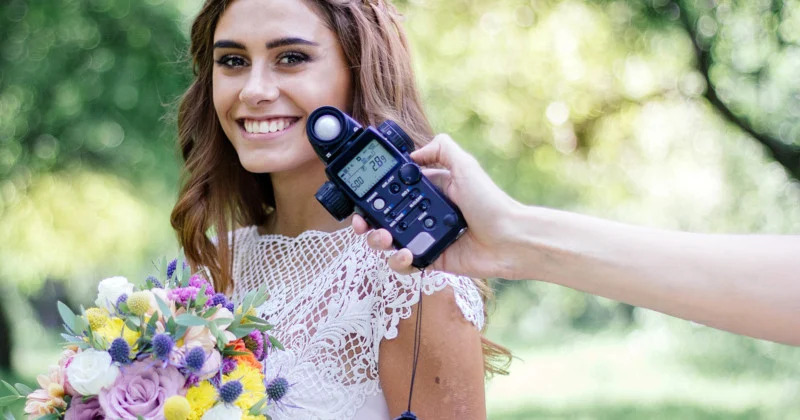
A handheld light meter is a device that measures light in order to determine the correct exposure for photographing an object or scene. Light meters are available in a variety of shapes and sizes (Figure 1) and also have different capabilities. By definition, handheld meters will fit in the hand much like a smartphone, but some of them, like spot meters, may have a more pistol-like grip to them.

Most early light meters required no batteries — instead, they used cells that were light-sensitive to drive a needle to display the readings. You can still find this type of meter today, like the L-398 from Sekonic for example. Most modern light meters do require batteries and display information via electronic displays.
No matter how the information is displayed, most photographic light meters will provide you with the same basic information. By measuring the available light, the meter will provide the correct aperture/f-stop combination for a given scene.
Now at this point you might think “My camera’s built-in meter can tell me that”, and that’s true, but is it going to be the most accurate and consistent? And what about studio flash?
Let’s get into it. Read More...