How to Use the Settings on Cameras: Shutter Speed, F-Numbers and Exposure

This short guide covers the basics of how an image is formed in a camera and an explanation of the various controls on smartphones and SLR cameras that control proper exposure of an image.
SLR Cameras, Compact Cameras and Smartphones
All the details below apply to both cameras and smartphones. Cameras will have knobs and buttons for changing the settings, whereas camera apps on smartphones will allow you to change these settings in the menus.
How Does a Camera Work?
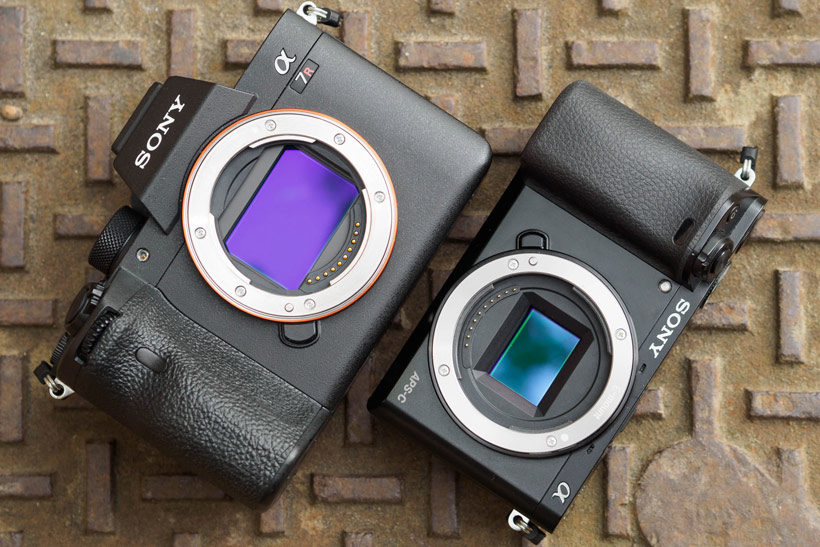
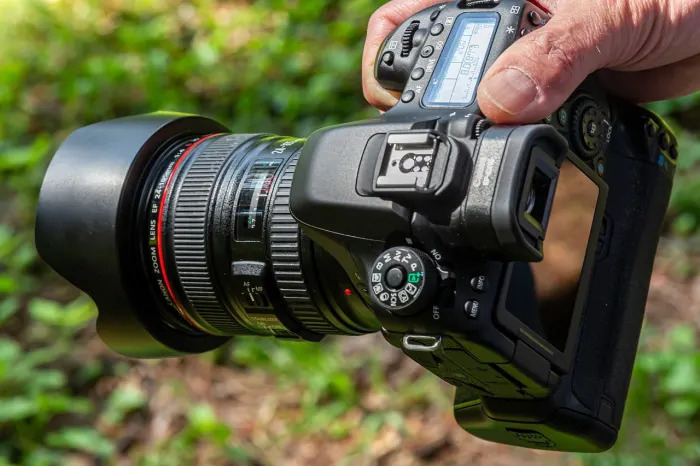
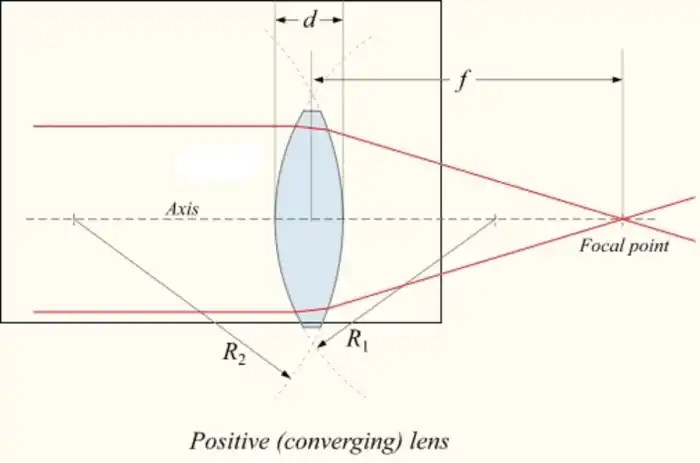
A camera works by focusing light from the subject (the thing or person you are photographing) onto either photographic film or an electronic sensor known as a charge coupled device (CCD), located just inside the back of the camera. Light firstly passes through the lens at the front of the camera, then through an aperture (hole), and finally through a shutter before finally landing on the sensor or film. When a photo is taken, the shutter opens for an instant to allow light into the camera and create a snapshot in time of the scene. The function of the lens is to gather light and create a focused image at the focal point, on the CCD or film.
What Is Exposure? (And How to Control It)
Irrespective of whether photographic film or a sensor is used in a camera, a certain amount of light must land on the sensitive element. There can't be too much or too little This is because the film or CCD element has a limited dynamic range. This means it can only work over a limited range of illumination levels. Unfortunately, there can be huge variations in the illumination of a subject depending on whether photos are being taken in dim light or bright sunlight.
There are two ways of controlling how much light is allowed into the camera, known as the exposure.
· Vary the amount of time for which the light enters the camera
· Vary the size of the hole through which it passes
· Use different speed films or ISO settings on a digital camera
So how do you know which to vary? Most modern cameras nowadays provide you with auto exposure. However, you still need to understand the consequences and effects of varying shutter speed and aperture size. Depending on the type of camera, there may be no control, little control or a lot of control over exposure settings. Cameras often have several exposure modes (e.g. "sports", "children", "nighttime") which try to automatically adjust exposure and other settings to take the guesswork out of taking photos and make an image appear ok. Which mode you use depends on the application.
What Is Aperture? (And Why It's Important)
This is a variable sized hole behind the lens, through which light passes. Basically, it works just like the pupil in your eye. Changing the "f-stops", "focal ratio" or "f-numbers" setting on your camera results in an alteration of the diameter of the aperture. Large "f" numbers correspond to a smaller hole and less light entering the camera. Small "f" numbers correspond to a larger hole which lets more light in. However, the drawback of a large aperture is a reduction in depth of field or range over which objects are in focus. This may or may not be advantageous as we will see below. Typical f stops on a lens are f/2.8, f/4, f/5.6. On a smart phone, the aperture is often fixed in size, so you can't change it in the camera app. Read More…