Human Mouth Bacteria Reproduce through Rare Form of Cell Division
-
 Loading...
 - Kexin Guan
- 03 Sep 2024
- 56 Views
- 0 Like
- 0 Comment
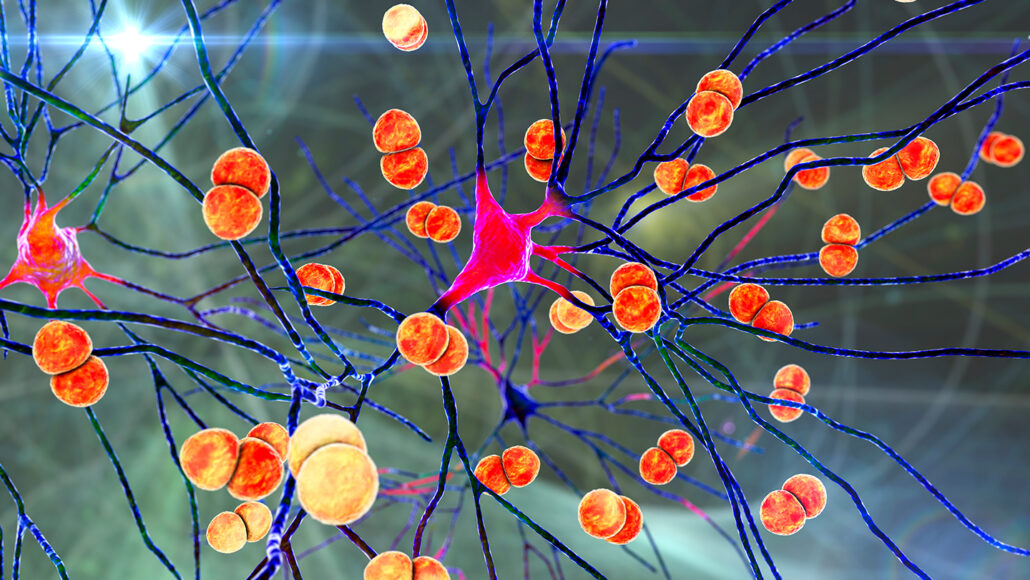
Researchers have discovered that human mouth bacteria, specifically the species Streptococcus oralis, reproduce through a rare form of cell division called asymmetric cell division. This unique process allows the bacteria to adapt to their environment and thrive in the human mouth.
Asymmetric cell division is a rare form of cell division where the daughter cells produced are not identical to the parent cell. In this process, the parent cell divides into two daughter cells with different sizes, shapes, and even genetic content. This is in contrast to the more common symmetric cell division, where the daughter cells are identical to the parent cell.
Streptococcus oralis is a type of bacteria that is commonly found in the human mouth. It is a key component of the oral microbiome and plays a crucial role in maintaining oral health. However, it can also contribute to oral diseases such as tooth decay and gum disease.
Researchers used a combination of microscopy, genetic analysis, and computational modeling to study the cell division process of Streptococcus oralis. They found that the bacteria use asymmetric cell division to produce daughter cells with different characteristics, such as size, shape, and gene expression.
The researchers also discovered that the asymmetric cell division process is regulated by a complex system of genetic and environmental cues. For example, the bacteria can sense the availability of nutrients and adjust their cell division process accordingly.
The discovery of asymmetric cell division in Streptococcus oralis has significant implications for our understanding of oral microbiology and the development of new treatments for oral diseases.
- Oral Health: The ability of Streptococcus oralis to adapt to its environment through asymmetric cell division may contribute to its ability to thrive in the human mouth. Understanding this process can provide insights into how to prevent oral diseases.
- Antibiotic Resistance: The discovery of asymmetric cell division may also provide clues into how bacteria develop antibiotic resistance. By understanding how bacteria adapt to their environment, researchers may be able to develop new strategies to combat antibiotic resistance.
- Synthetic Biology: The study of asymmetric cell division in Streptococcus oralis can also inform the development of synthetic biology tools. By understanding how bacteria regulate their cell division process, researchers may be able to design new biological systems with novel properties.