Quantum Entanglement in the Brain
-
 Loading...
 - Ivan Ivanov
- 05 Sep 2024
- 58 Views
- 0 Like
- 0 Comment
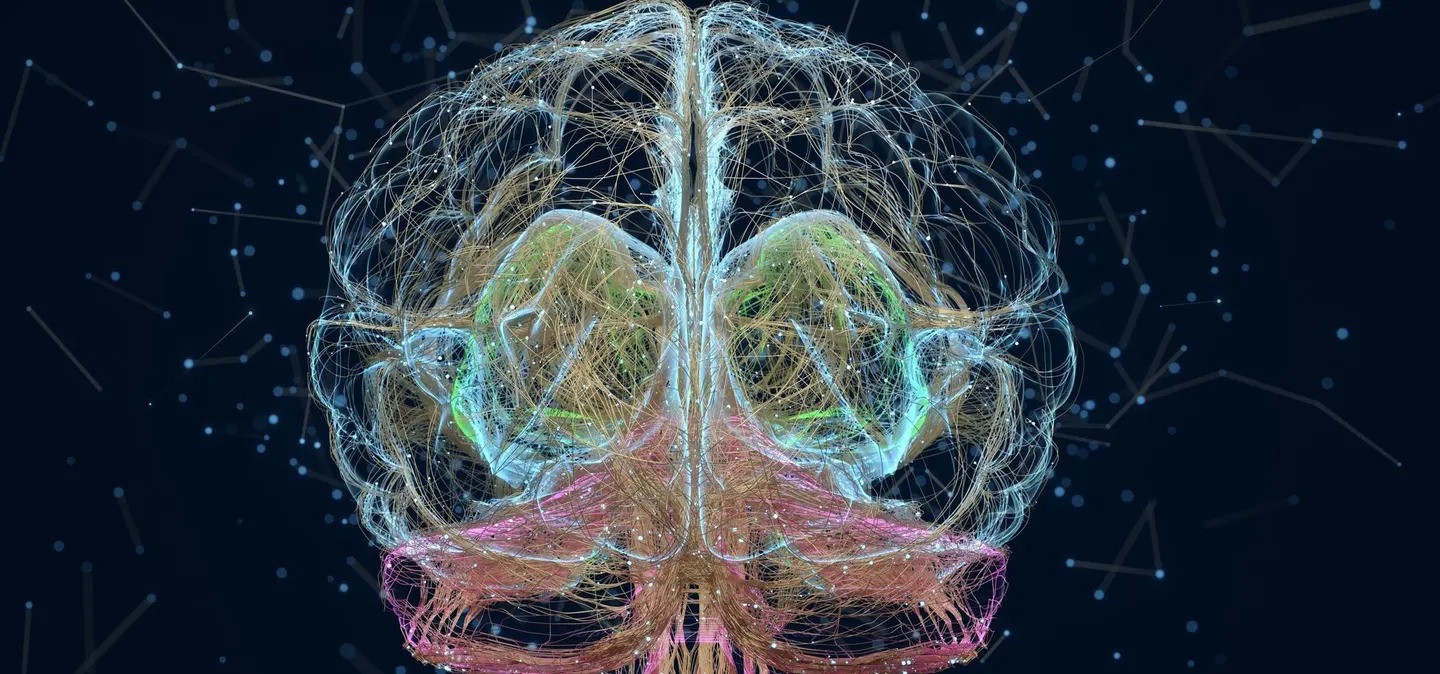
The human brain, a complex and intricate organ, has long been a subject of fascination and inquiry. One of the most profound and enduring questions in the fields of neuroscience, philosophy, and psychology is the nature of human consciousness. Recent research has led to a groundbreaking hypothesis: quantum entanglement in the brain may hold the key to understanding the secrets of human consciousness.
Quantum entanglement is a phenomenon in which two or more particles become correlated in such a way that the state of one particle cannot be described independently of the others, even when they are separated by large distances. This means that the properties of one particle are linked to the properties of the other, regardless of the distance between them.
The human brain, comprising approximately 86 billion neurons, is a complex system that operates on multiple scales, from the molecular to the macroscopic. Recent studies suggest that the brain may be capable of exhibiting quantum behavior, particularly in the realm of consciousness.
Microtubules, the structural components of neurons, have been found to exhibit quantum behavior. Research has shown that microtubules can exist in a state of quantum superposition, where they can be in multiple places at once. This property allows for the possibility of quantum entanglement between microtubules, which could be the basis for conscious experience.
Implications of Quantum Entanglement in the Brain
The implications of quantum entanglement in the brain are far-reaching and profound. If consciousness is indeed rooted in quantum entanglement, it could:
1. Unify the mind-body problem: Quantum entanglement could provide a mechanism for the integration of subjective experience and objective physical reality.
2. Explain the nature of free will: Quantum indeterminacy could be the basis for human free will, allowing for the emergence of conscious decisions.
3. Reveal the secrets of creativity and intuition: Quantum entanglement could facilitate the integration of disparate information, leading to novel insights and creative breakthroughs.
While the idea of quantum entanglement in the brain is still a topic of ongoing research and debate, it offers a fascinating perspective on the nature of human consciousness. As we continue to unravel the mysteries of the brain, we may uncover the secrets of our most fundamental and profound experience: consciousness itself.