Iceland’s Minister for Children Resigns Over Past Relationship
-
 Loading...
 - Peyton Bells
- 24 Mar 2025
- 22 Views
- 0 Like
- 0 Comment
Iceland’s president accepted the resignation of Ásthildur Lóa Thórsdóttir, the country’s minister for children, following revelations about a relationship she had with a teenager over three decades ago. The announcement came after national broadcaster RUV reported that Thórsdóttir had a child 35 years ago when she was 23, and the father was just 16 years old.
The relationship reportedly began when Thórsdóttir and the teenager met at a church youth group, where the boy was 15 at the time. While Iceland’s age of sexual consent is 15, it is illegal for an adult to engage in sexual relations with a minor they teach, employ, or mentor. Thórsdóttir confirmed the relationship in a statement, clarifying that she was not a leader of the church group but merely a member. She acknowledged that relationships between individuals of that age were not uncommon, although she recognized they were not ideal.
Thórsdóttir stated that the relationship lasted only a few weeks, but the father was present at the birth of their child. RUV reported that he sought access to their son through government and church channels but was granted only occasional visits, despite paying child support for 18 years. Thórsdóttir noted that the father had made little effort to establish a relationship with their son.
Thórsdóttir officially resigned during a meeting of the State Council, which included government ministers and President Halla Tómasdóttir. Although she has stepped down from her ministerial role, she will continue to serve as a lawmaker for the People’s Party, which is part of the coalition government led by Prime Minister Kristrún Frostadóttir of the Social Democratic Alliance.
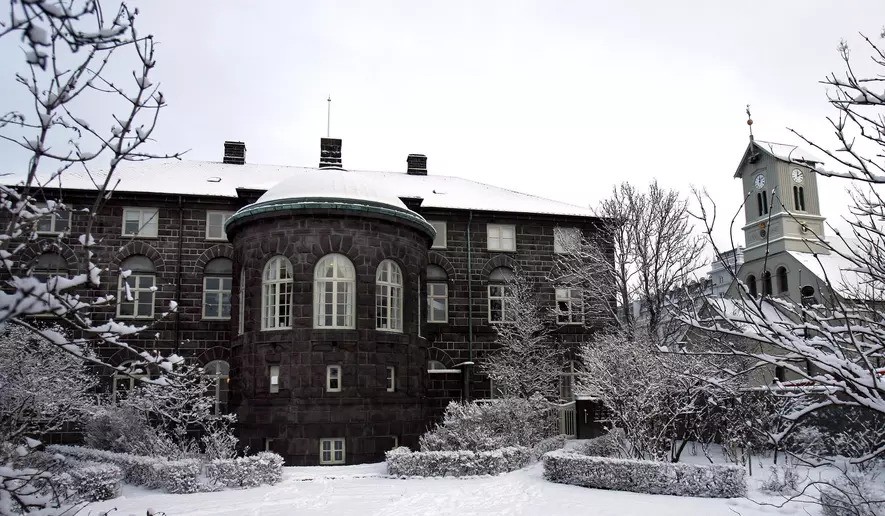
Iceland, a volcanic island nation located just below the Arctic Circle, has a population of less than 400,000. Its parliament, established in 930 by Viking settlers, is considered one of the oldest legislatures in the world.
Thórsdóttir’s resignation highlights the complexities surrounding personal relationships and public office, particularly in the context of societal norms and legal frameworks. As Iceland navigates this situation, it reflects on the implications of past actions and their impact on public trust and governance.