Vilnius Orders 145 New Electric Buses
-
 Loading...
 - Arie Borst
- 26 Mar 2025
- 30 Views
- 0 Like
- 0 Comment
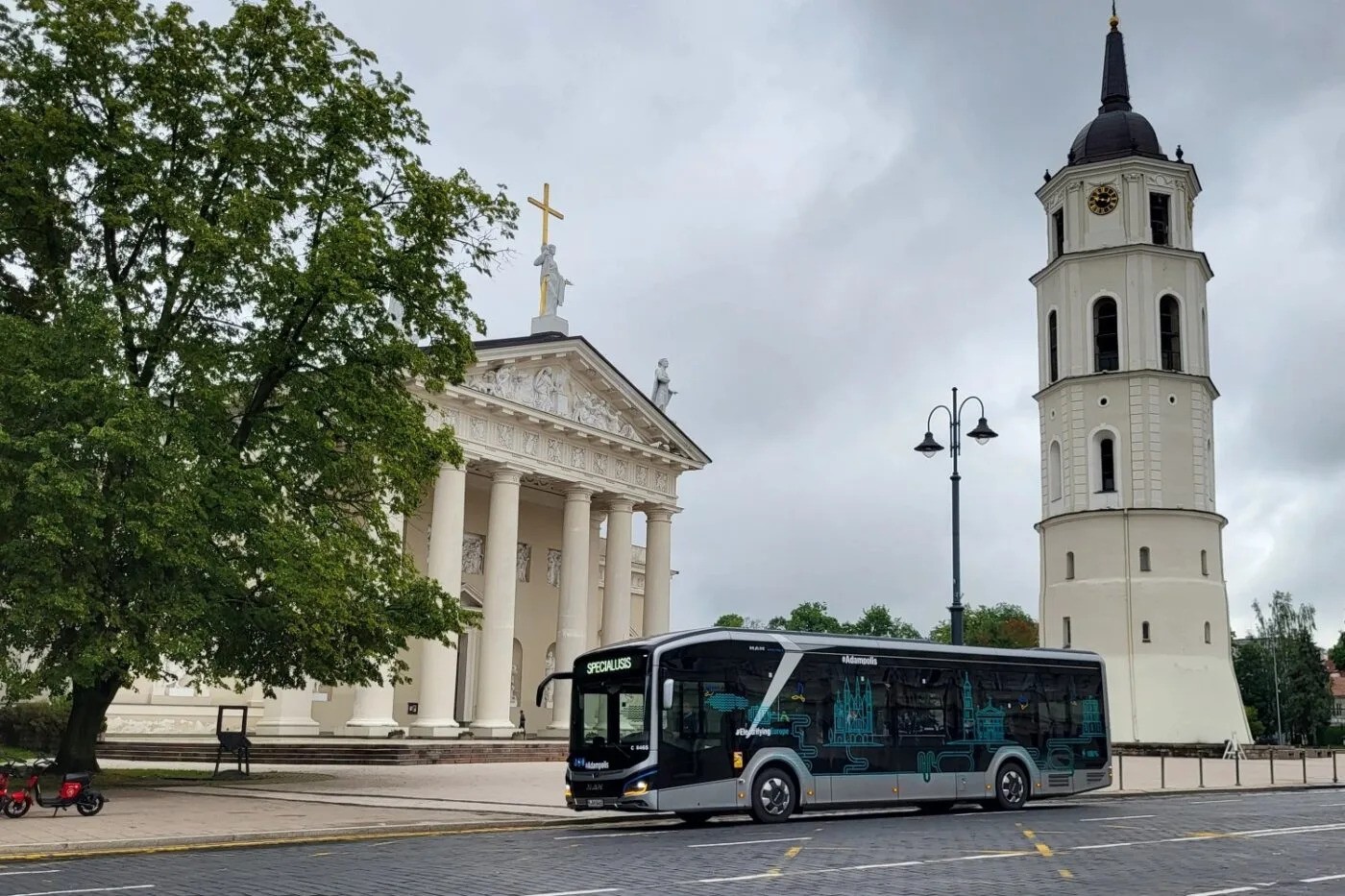
The city council of Vilnius is taking significant steps toward sustainable mobility by ordering 145 new electric buses as part of its ambitious plan to transition all public transport vehicles to electricity or alternative fuels by 2030. These new electric buses are not only intended to replace aging diesel buses but also to expand the public transport network and increase the frequency of services in the Lithuanian capital.
Mayor Valdas Benkunskas emphasized the importance of this initiative, stating, “Vilnius public transport is rapidly modernising – new electric buses will provide more sustainable and efficient mobility for the city. Less pollution, quieter commutes, and greater comfort are the changes expected by Vilnius residents.” He highlighted that this investment is a clear direction toward creating a cleaner and more innovative city, promising citizens more frequent, faster, and more reliable connections.
As part of this modernization effort, the Vilnius Public Transport (VVT) route network will be expanded to include seven new routes alongside the renewal of the vehicle fleet. Additionally, 44 existing routes will see increased frequency, while 46 routes will be adapted to better serve the community. This means that public transport in the city center will run every 6 to 10 minutes, and every 15 minutes outside the city center, resulting in a 30% increase in the total number of vehicles.
The estimated total value of the new electric bus procurement is EUR 89 million (excluding VAT), which rises to approximately EUR 97 million when including mandatory maintenance services. Contracts with the successful bidders are expected to be signed in the third quarter of the year, with the new zero-emission buses anticipated to arrive in Vilnius in 2026 and 2027.
In addition to the new electric buses, Vilnius has also been modernizing its trolleybus fleet. In 2023, the VVT commissioned the Skoda Group to supply 91 Skoda 32 Tr trolleybuses, all of which have now arrived. Currently, 75 of these new trolleybuses are already in operation, with the remaining 16 set to begin service once passenger information and safety systems are finalized.
The Škoda 32 Tr trolleybuses are equipped with batteries that allow them to travel autonomously for up to 20 kilometers without relying on overhead lines. With the integration of these units, Vilnius has completed the first phase of its trolleybus fleet renewal, and plans are in place to purchase an additional 73 new trolleybuses in a second phase.
The push for e-mobility in Vilnius aligns with the Lithuanian government's active promotion of electric bus procurement and the development of associated charging infrastructure, marking a significant step toward a more sustainable public transport system in the capital.