If you have one of these Thread border routers, your smart home will be Matter-ready
-
 Loading...
 - Ervin Sera
- 19 Jul 2022
- 88 Views
- 0 Like
- 0 Comment
Matter is getting closer. The new smart home standard promising to make setting up a smart home as easy as screwing in a lightbulb took a big step toward that lofty goal this week. Thread, the main wireless protocol Matter will run on alongside Wi-Fi, just dropped a major upgrade. Thread 1.3.0 will enable Thread devices to work with any Thread border router, removing the current manufacturer-specific roadblocks. It also sets the stage for Thread-enabled Matter devices — which should start arriving later this year — to join existing Thread networks using those border routers.
If you have any of these devices in your home today, you are in luck. Once upgraded by the manufacturer, they can become a Thread 1.3.0 border router. This will allow you to add any Thread device to your home without buying any additional hardware.
- Nest Hub Max smart display
- Nest Hub (second gen) smart display
- Nest Wifi mesh router
- Apple TV 4K
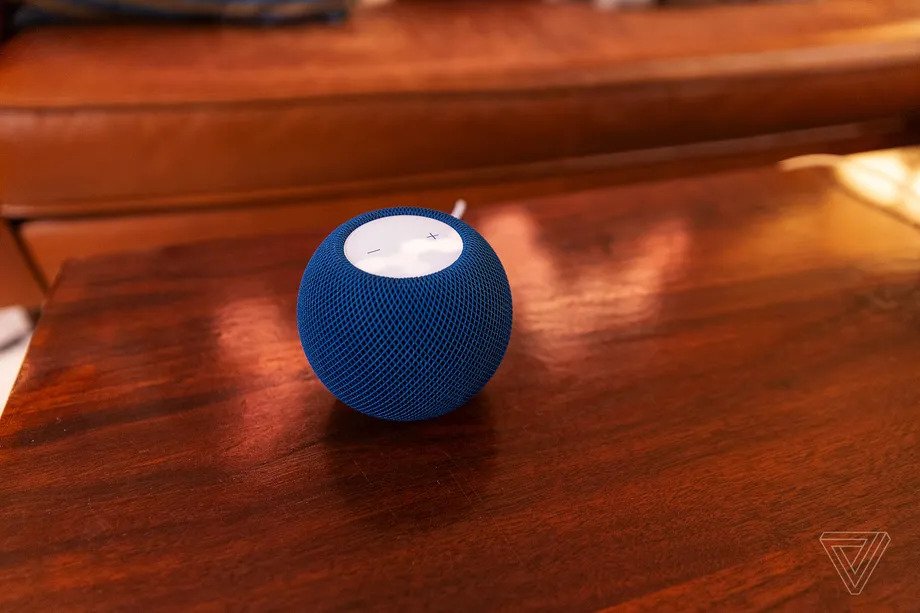
- Apple HomePod Mini
- Echo (fourth gen) smart speaker
- Nanoleaf Shapes, Elements, and Lines LED light panels
- All Wi-Fi 6 and up Eero mesh routers
While there may be more options as Matter gets closer (a Thread border router can be built into almost any device with an always-on power source and an internet connection), the manufacturers of these products have publicly committed to making them Thread border routers when Matter arrives.
In the case of the Apple, Eero, and Nanoleaf devices, they’re already operating as border routers. The Thread 1.3.0 specification / certification is backward-compatible with previous versions.
Currently, if you own a Thread-enabled device, such as a Nanoleaf Essential lightbulb or an Eve Energy smart plug (see a full list here), it can connect to a Thread border router to talk to other devices on your home network and beyond thanks to Thread’s IP-based makeup. But today, border routers from different manufacturers — such as a HomePod Mini or an Eero 6 Wi-Fi router — can’t talk to each other. If you have two border routers from two different companies, you are running two separate Thread networks. This defeats the main purpose of Thread: creating one self-healing mesh network that continues to run even if one device fails.
With the release of the Thread 1.3.0 specification, the Thread border router function is being standardized. This means no more competing Thread networks; border routers from different manufacturers will join the same Thread network seamlessly. “Thread 1.3.0 makes the border router appear on the Wi-Fi [network] like any other Wi-Fi device, allowing any existing device on the Wi-Fi network to interact with those Thread devices without requiring any special software. Read More...