In Bangladesh, a community comes together to save a life-giving forest
-
 Loading...
 - Ajay Bhatt
- 21 Sep 2022
- 70 Views
- 0 Like
- 0 Comment
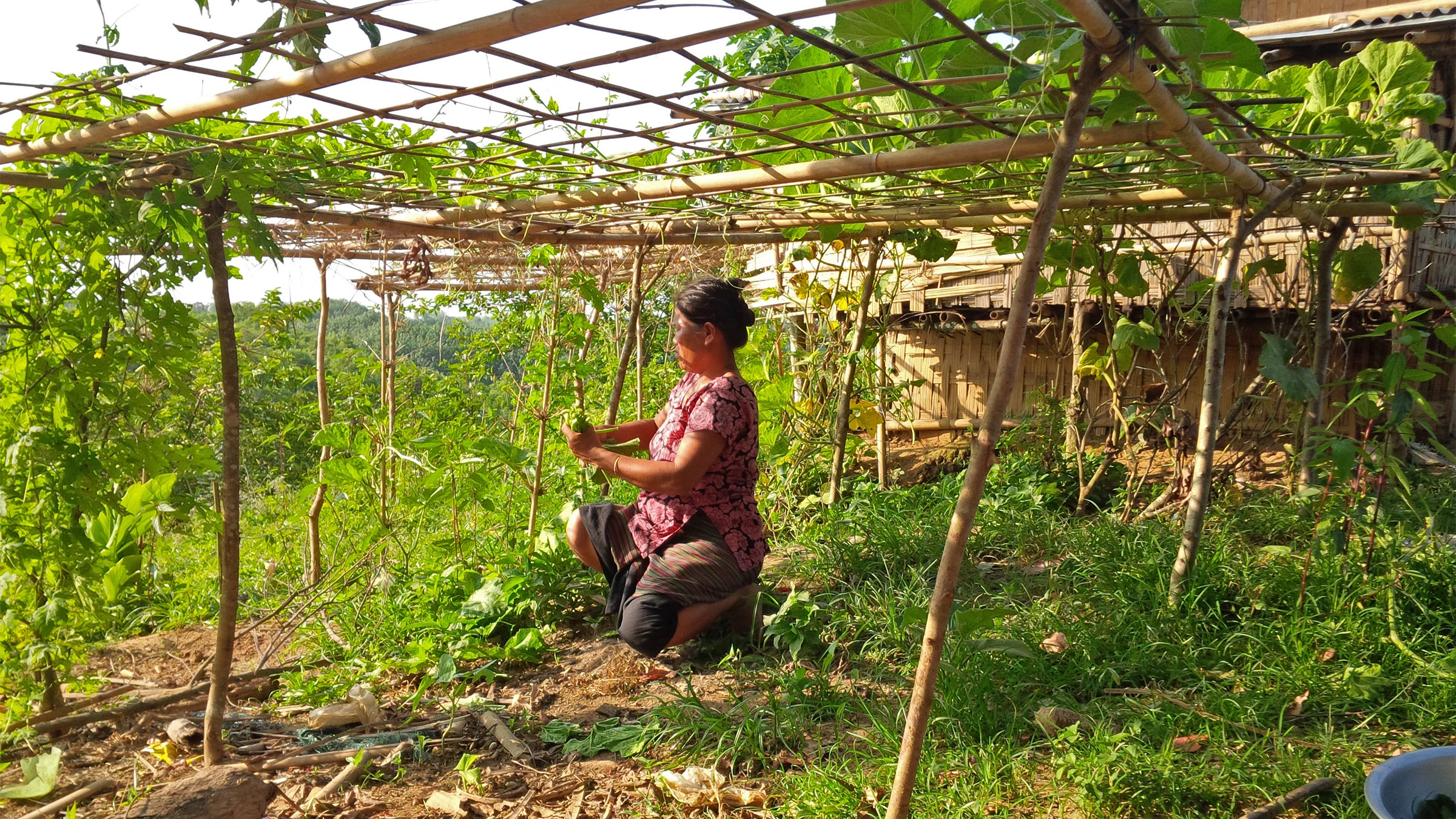
Anupam Chakma, 60, has lived in the hilly village of Kamalchhori in Bangladesh all his life. When his grandfather and his contemporaries arrived in the region many decades ago, they found water holes that didn’t run dry, even during the dry season, and settled nearby. Kamalchhori, like all the villages and settlements in the country’s southeastern hilly districts, were established close to sources of fresh water.
Also known as the Chittagong Hill Tracts (CHT), this region, home to 11 Indigenous communities, such as the Chakma, Marma, Tanchangya and Tripura, makes up about one-tenth of Bangladesh’s land area. A geographically hilly landscape with extensive forest coverage, the CHT is known for its rich biodiversity.
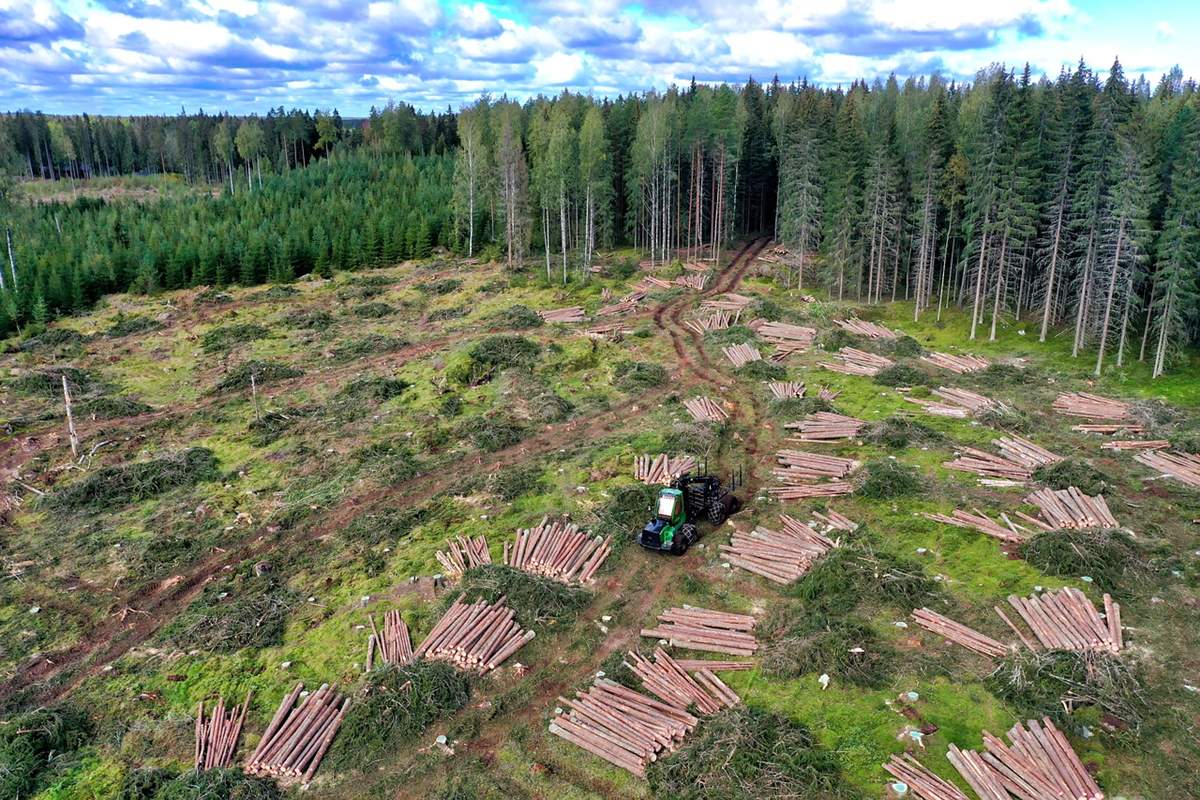
However, deforestation due to population growth and unchecked agriculture and logging has reduced the forest cover in places, which, in turn, has gradually affected the water levels. Over the past two decades, the water holes have become drier every year between November and May.

The water crisis has forced many families to leave the villages in search of places with water available during the dry season. It was the same story in Kamalchhori, where villagers had long exploited their communally managed forest, known as the village common forest, for timber, bamboo, fuelwood and housing material.
Anupam and some of the other villagers stayed back, though, to delve into the cause of the problem — and come up with solutions. They noted that the water sources stayed intact where there was good forest cover, and were drying up where the land had been cleared. They also recognized that their excessive reliance on the forest had caused the freshwater crisis.
The village’s forest, they realized, had to be restored. Read More...