Explained | What is lumpy skin disease in cattle? Does it affect milk we consume?
-
 Loading...
 - Kabir Mangal
- 21 Sep 2022
- 63 Views
- 0 Like
- 0 Comment
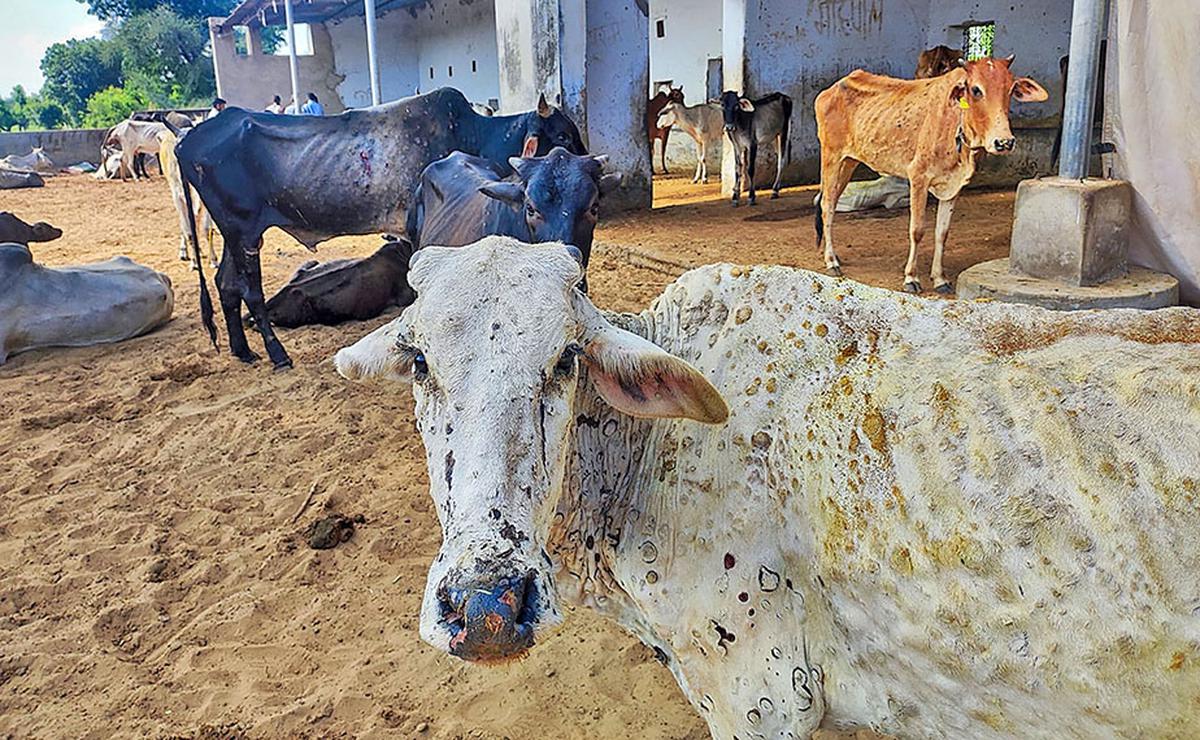
The story so far: The Mumbai Police have ordered the prohibition of cattle transportation in the city to prevent the spread of the lumpy skin disease. This means cattle cannot be moved out of the place they are being raised or transported to marketplaces. The order came into force on September 14 and will stay in place till October 13. The disease has killed 127 cattle in Maharashtra, having spread to 25 districts. The contagious viral infection has spread in cattle in more than 10 States and Union Territories so far. Prime Minister Narendra Modi informed last week that the Centre and States are working together to control the spread of the disease, which has emerged as a concern for the dairy sector.
What is the lumpy skin disease and how does it spread?
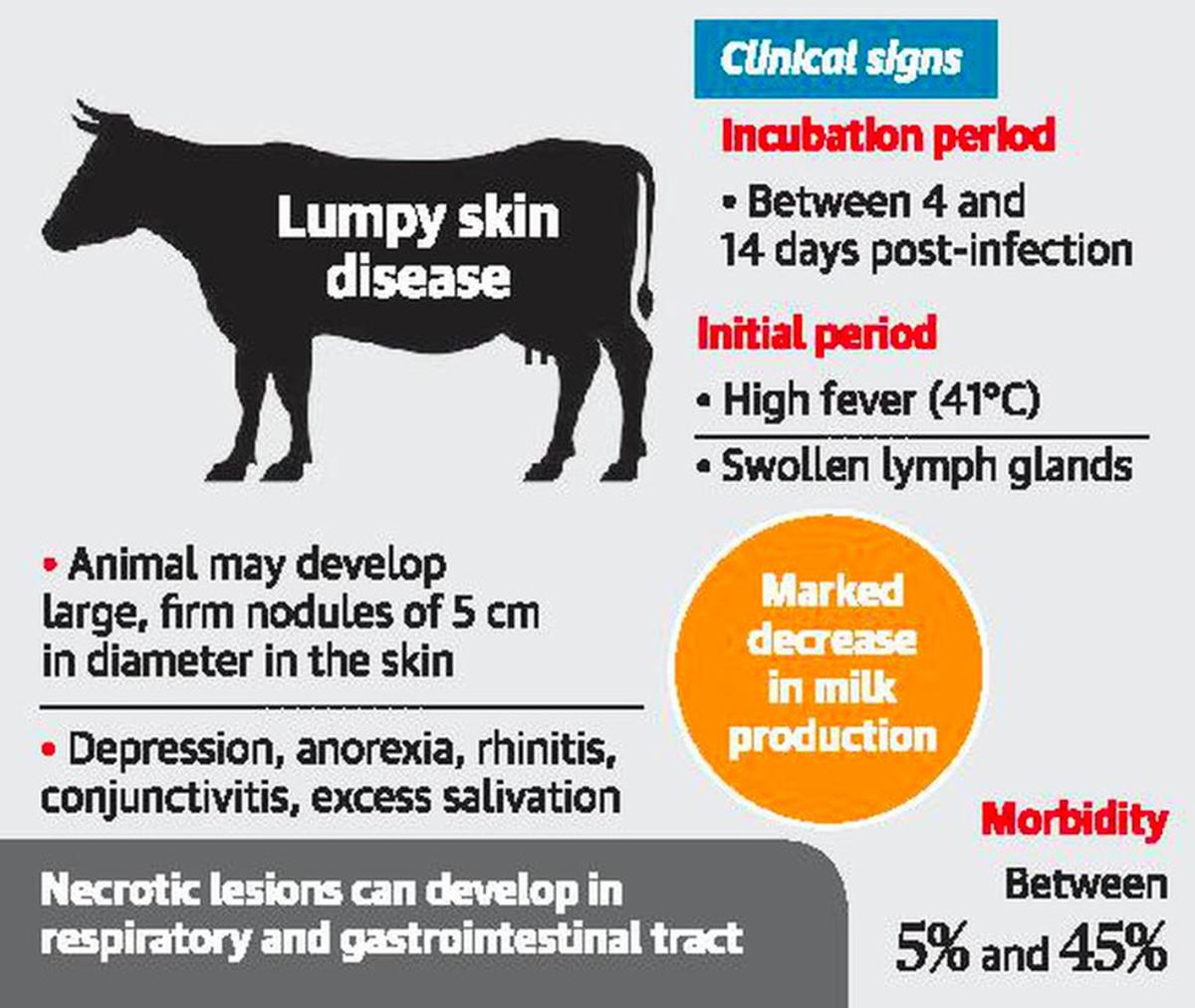
Lumpy skin disease is caused by the lumpy skin disease virus (LSDV), which belongs to the genus capripoxvirus, a part of the poxviridae family (smallpox and monkeypox viruses are also a part of the same family). The LSDV shares antigenic similarities with the sheeppox virus (SPPV) and the goatpox virus (GTPV) or is similar in the immune response to those viruses. It is not a zoonotic virus, meaning the disease cannot spread to humans. It is a contagious vector-borne disease spread by vectors like mosquitoes, some biting flies, and ticks and usually affects host animals like cows and water buffaloes. According to the United Nations Food and Agriculture Organisation (FAO), infected animals shed the virus through oral and nasal secretions which may contaminate common feeding and water troughs. Thus, the disease can either spread through direct contact with the vectors or through contaminated fodder and water. Studies have also shown that it can spread through animal semen during artificial insemination. Read More...