In new Senegal museum, Albers Foundation will exhibit repatriated African objects and expand legacy of Bauhaus
-
 Loading...
 - Samson Matano
- 18 May 2022
- 289 Views
- 0 Like
- 0 Comment
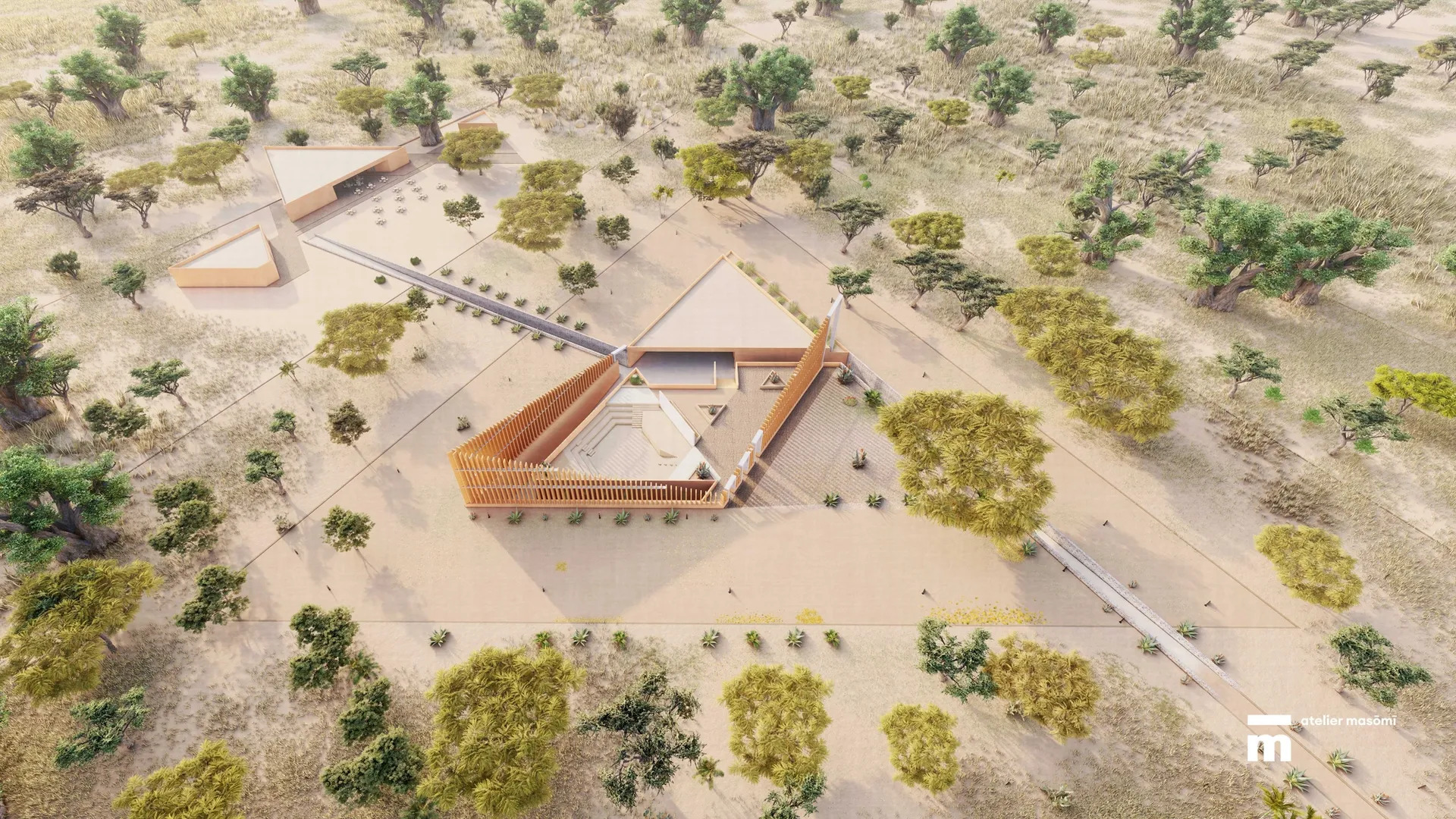
A new museum in the Senegambia region of Senegal is slated to open in 2025. The Bët-bi community and cultural centre plans to show contemporary and historic African art, offer tours to nearby ancient megaliths and be a temporary home for repatriated African objects from Western collections.
Bët-bi, which translates to "the eye" in Wolof, is the latest project from Le Korsa, the not-for-profit arm of the Josef and Anni Albers Foundation, established to support rural Senegalese communities “across the fields of culture, education and health”.
According to the foundation’s executive director, Nicholas Fox Weber, their objective in Senegal is “simply to make everyday life better.” Subject to approval, Bët-bi will be located on an island near the historic city of Kaolack, a bustling market town on the edge of a vast saltwater estuary in West Africa. Weber, hopes Bët-bi will improve the lives of locals through employment opportunities, cultural tourism and access to art. Despite being one of the most politically stable countries in Africa, it is estimated that more than half the Sengalese population live in extreme poverty.
Bët-bi plans to capitalise on its proximity to the Blaise Diagne International Airport outside Dakar and increased interest in the ancient megaliths unique to the region, including four Unesco World Heritage sites located nearby.
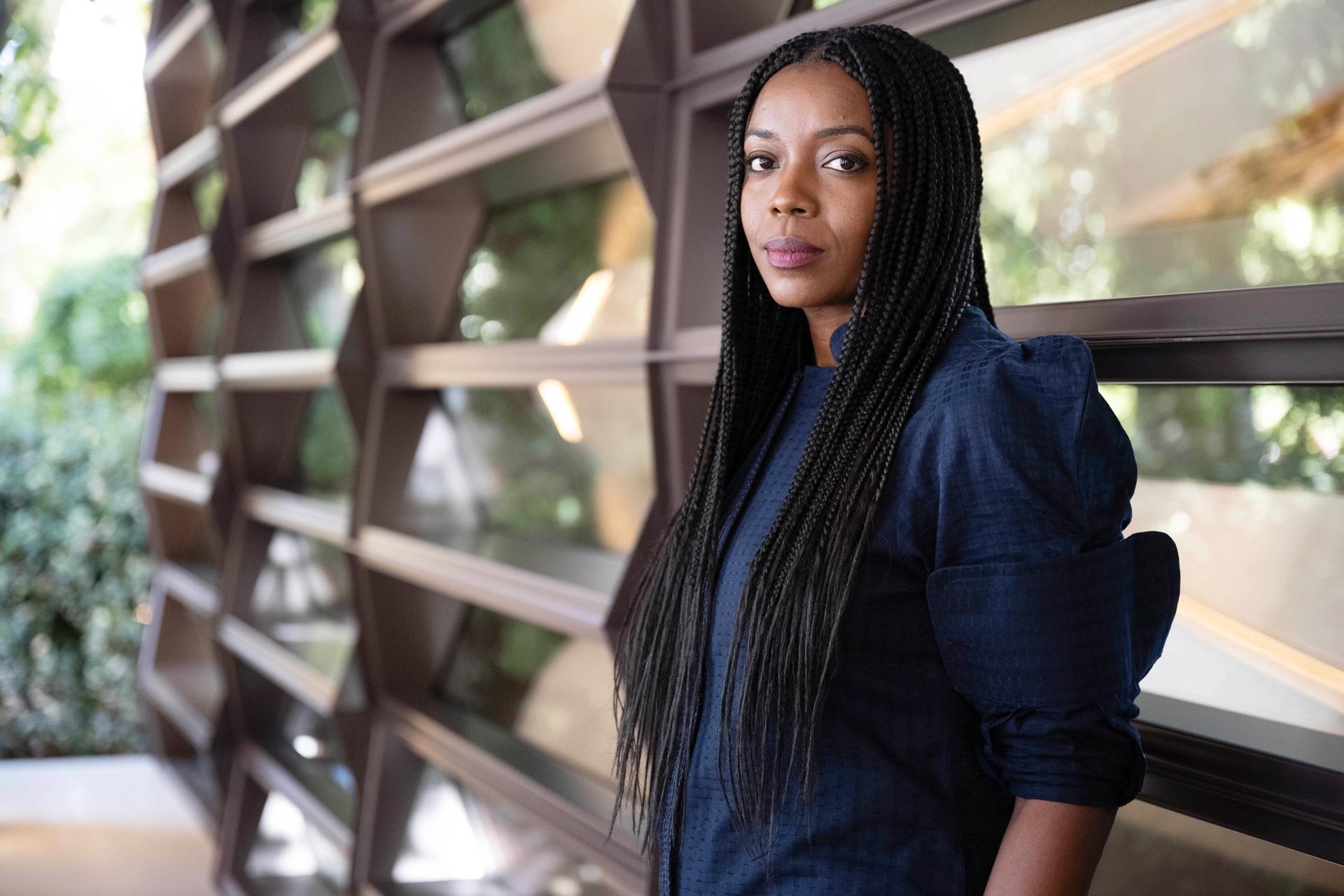
The Bët-bi project will be led by architect Mariam Issoufou Kamara, founder of Niger-based architecture firm atelier masÅmÄ«. Kamara is a rising star of the African architecture scene; in 2021, she exhibited at the Venice Architecture Biennale and her recent projects include the Niamey Cultural Centre and the Dandaji Market in Niger. In 2020, Kamara was named one the 15 Creative Women for Our Time by the New York Times.
Kamara’s proposal for Bët-bi was selected unanimously by a panel that included: Basel-based architect Manuel Herz; the Smithsonian Design Museum’s Matilda McQuaid; president of Designtex Susan Lyons; and Palazzo Grassi chief executive Bruno Racine.
What appealed to the panel most about Kamara’s proposal was her “openness” says Weber, adding “[she] wanted to know more about the local culture, the local materials, the nature of building.”
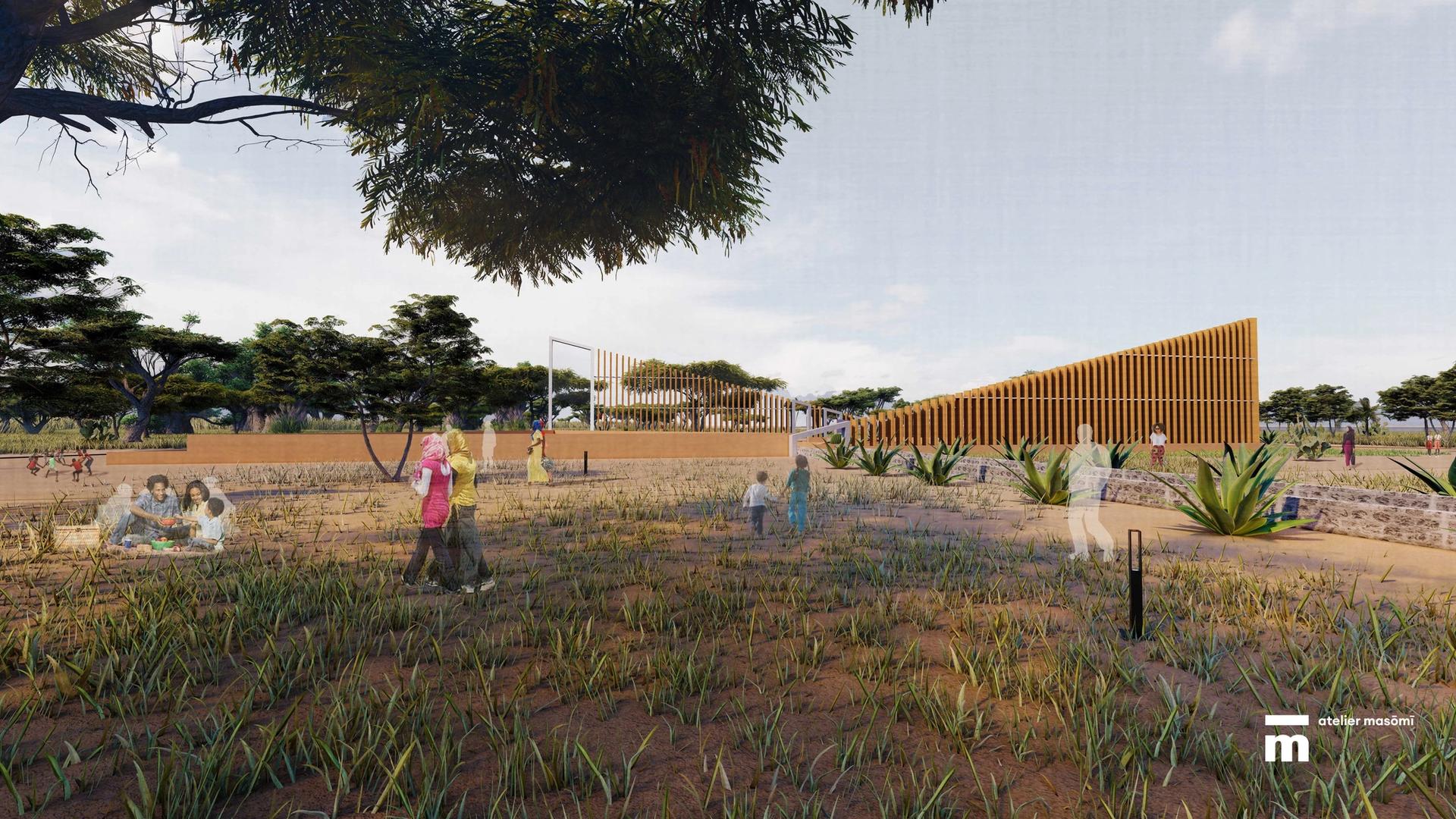
For Kamara, Bët-bi is an opportunity to rethink the “typology” of museum spaces. “I’m not sure the typology of the museum in the Western sense is appropriate for most of the world,” she tells The Art Newspaper. Acutely aware that most locals have never stepped foot into a museum, Kamara’s design will reflect: “what art means in the context of Senegal,” she says. “Bët-bi is a public space first and an exhibition space second.”
Bët-bi also includes plans to temporarily house “illicitly or unethically sourced objects in transit from Western collections to the home of their claimant”, says Bët-bi project director, Emma Lewis.
The Bët-bi announcement comes at a time when many museums are under pressure to decolonise their collections. In a 2018 report commissioned by French President Emmanuel Macron, French Art historian Bénédicte Savoy and Senegalese writer Felwine Sarr recommended French museums return works seized during colonial occupation. But repatriation can be complex, particularly if the claimants don’t have the facilities to house returned objects. Bët-bi can assist with “storage and exhibition space until the communities who claim them can accept them,” says Lewis. Read More...