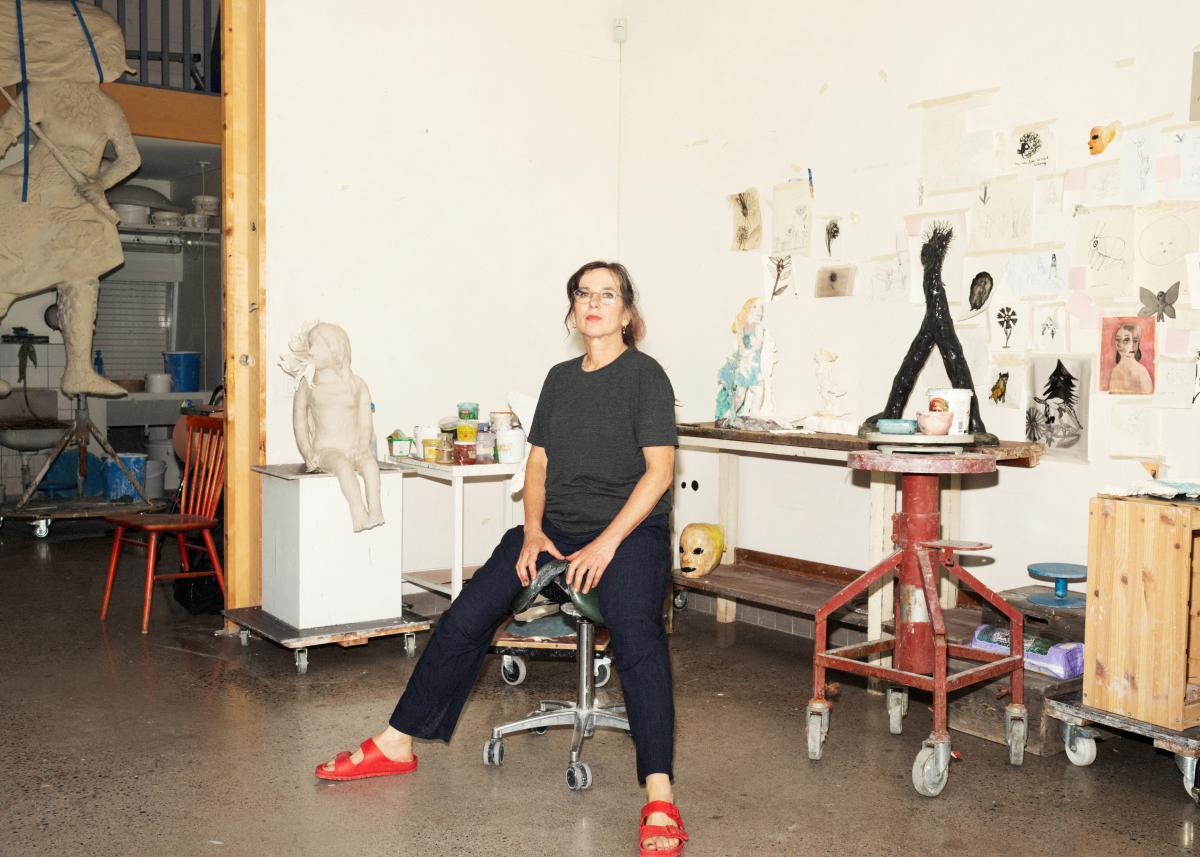
In the studio with Swedish sculptor Klara Kristalova
-
 Loading...
 - Piers Howard
- 08 Sep 2022
- 73 Views
- 0 Like
- 0 Comment
There is an immediate sense of calm at sculptor Klara Kristalova’s studio in Norrtälje, Sweden: it sits within trees on one of the northernmost points of the Stockholm archipelago. ‘The nature around my studio moves into my work intuitively,’ she says. The studio itself is a light, barnlike structure with high ceilings, and behind it is the peaceful home that she shares with her family, an unusual 1960s summer house that lies a few hundred metres from the water’s edge.
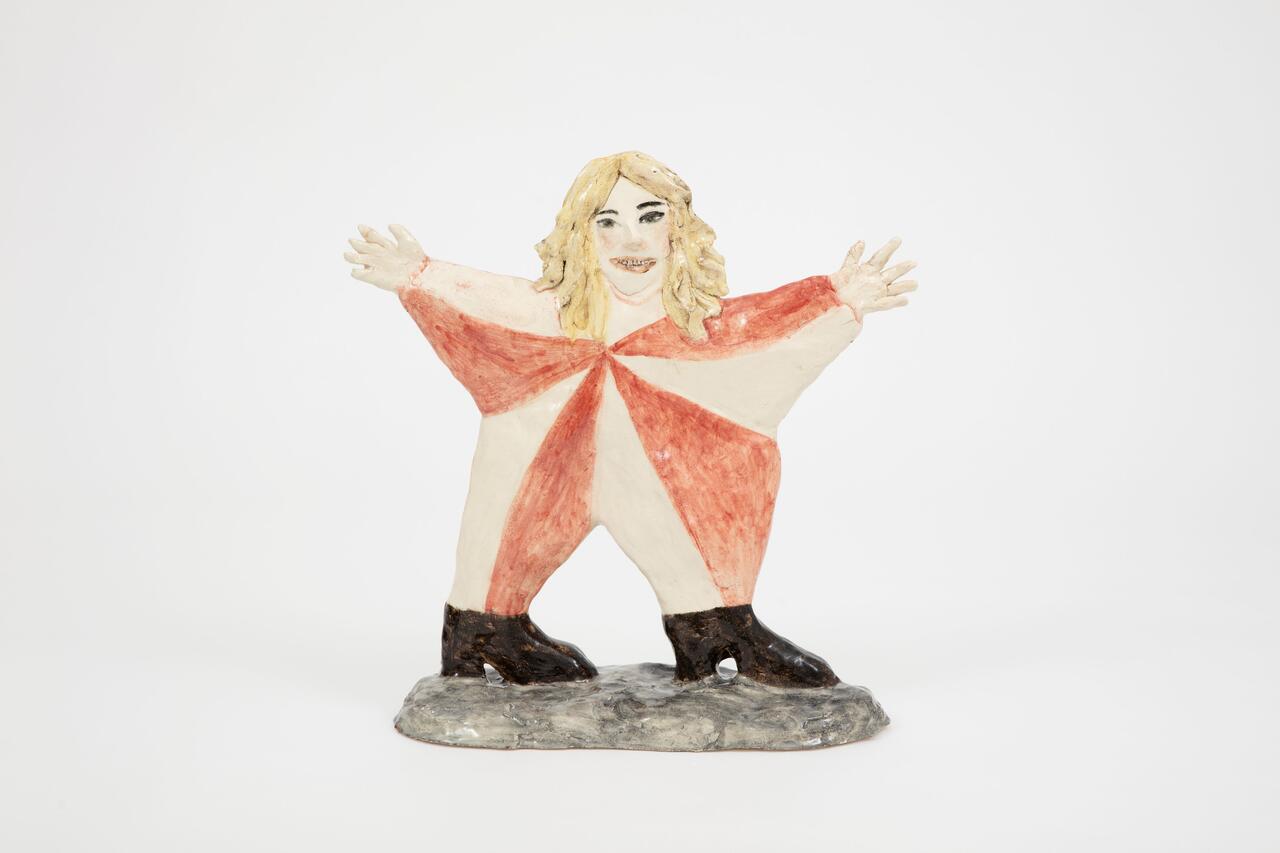
‘In winter, you always see the lake. In summer, the greenery obscures it, but you can go down and swim,’ she says. It reminds me of the view from Artipelag, a favourite museum on the Stockholm archipelago, designed by the late architect Johan Nyrén to align with the surrounding landscape. There, a few years ago, I had a chance encounter with What Holds Me Back, Carries Me Further, 2017 a powerful bronze sculpture by Kristalova at the opening of ‘Sculpture in Nature’, a group exhibition of predominantly Nordic artists. I was moved by the piece and so learnt more about the evocative and distinctive glazed ceramic sculptures she is known for.
Kristalova was born in 1967 in what was then Czechoslovakia, but her family moved to Sweden soon after. Her parents, Eugen Krajcik and Helena Kristalova, were both established artists, so she was exposed to numerous museums and art fairs from a young age: ‘I travelled with my father to the Venice Biennale and Documenta and had an art library in my head.’ As a result, becoming an artist felt like a natural choice. She went on to study at the Royal University College of Fine Art in Stockholm, which gave her even more opportunities to learn and travel.
Today, Kristalova predominantly works in ceramics and stoneware, but that wasn’t always the case. During her university years, her focus was painting. ‘When I finished studying, I was a trained painter, but mainly with watercolour and ink on paper, because it’s fast. I wanted to do something three-dimensional. I started to experiment with ceramics and stayed with it, because it’s a fast and easy material. I see my work as three-dimensional drawings – for that, ceramics is an excellent material.’ She works in bronze in the same way.