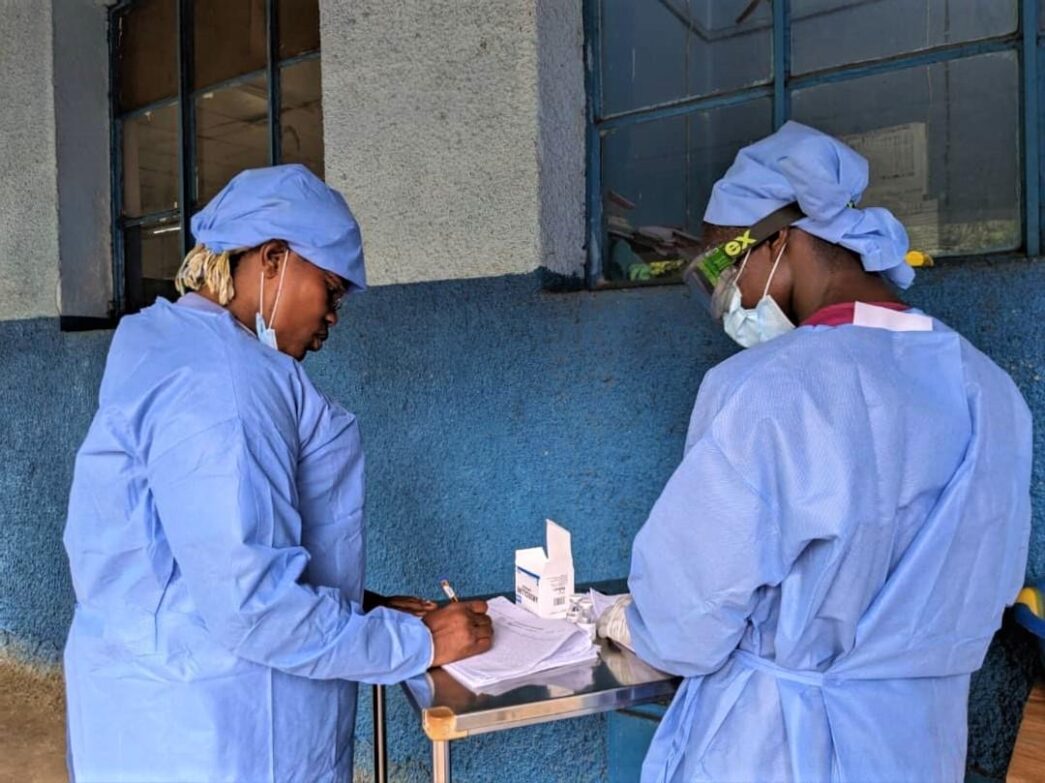
Increased Illnesses and Deaths Reported in DRC Outbreak Involving Malaria
-
 Loading...
 - Afafa Okai
- 30 Dec 2024
- 30 Views
- 0 Like
- 0 Comment
A mysterious outbreak in a remote region of the Democratic Republic of Congo (DRC) has been identified as an acute respiratory infection complicated by malaria, according to health officials. Since late October, there have been 891 reported cases and 48 deaths linked to this outbreak, as detailed in a recent update from the World Health Organization (WHO).
Health authorities have conducted extensive testing, with hundreds of samples analyzed to better understand the illness. The results indicate that over 60% of rapid diagnostic tests returned positive for malaria, and approximately two-thirds of those tested with more precise PCR laboratory methods were also positive for Plasmodium falciparum, the parasite responsible for malaria. Additionally, tests have detected common respiratory viruses, including influenza.
Epidemiological surveillance and laboratory testing are ongoing, as the outbreak is still considered active. The number of weekly cases has remained relatively stable since early November, with a notable spike in cases during the week ending December 15, likely due to improved case detection following the deployment of rapid response teams. However, the increase in cases did not correspond with a significant rise in deaths during that period.
The WHO's update indicates that the combination of common viral respiratory infections and falciparum malaria, exacerbated by acute malnutrition, has led to an increase in severe infections and fatalities. Symptoms associated with the more severe cases include difficulty breathing, anemia, and signs of acute malnutrition, which particularly affect young children.
Children under the age of five have been disproportionately impacted, accounting for nearly half of all cases and 54% of the deaths, despite representing only 18% of the population in the affected region. Women are also more likely to be affected than men, which the WHO attributes to the close interactions between mothers and their children during episodes of acute respiratory illness.
The outbreak has primarily spread in the Panzi district of Kwango Province, a remote and rural area with low vaccination coverage. The rainy season further complicates the situation, increasing the risk of malaria transmission and straining the already limited transportation and health infrastructure.
The WHO has noted a deterioration in food security in the region in recent months, with severe malnutrition posing a life-threatening risk on its own. The interplay between disease and malnutrition can exacerbate health outcomes, particularly in vulnerable populations.
While the broader risk to the national and global population remains low, the situation underscores the significant burden posed by common infectious diseases, such as acute respiratory infections and malaria, in contexts of food insecurity. The WHO emphasizes the urgent need to strengthen access to and the quality of healthcare in these vulnerable communities.