India's first Covid cure Vincov-19 completes second phase clinical trial
-
 Loading...
 - Krisha Anand
- 19 Oct 2022
- 68 Views
- 0 Like
- 0 Comment
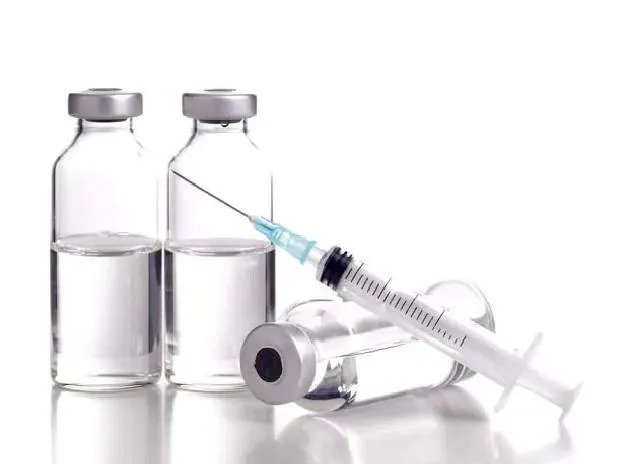
India’s first “antidote” and “cure” against the Sars-CoV-2 virus may soon hit the market if the Phase 3 trials of VINCOV-19 go well. An antibody therapy derived from horse serum, VINCOV-19 has successfully completed the Phase 2 clinical trials, announced University of Hyderabad (UoH) and CSIR-Centre for Cellular & Molecular Biology (CCMB) in collaboration with VINS Bioproducts, an immunological company.
VINCOV-19 is now ready for market authorisation and simultaneous Phase 3 clinical trials, the firm said in a press statement.
Siddharth Daga, chief executive officer, VINS Bioproducts, said: “Phase 2 clinical trials of VINCOV-19 have been very successful. VINCOV-19 is shown to be safe and ensures the speedy recovery of patients suffering from Covid-19. We would urge the authorities to allow us a market authorisation, so that we can strengthen our fight against Covid-19.”
The Phase 2 clinical trials were conducted across multiple centres in India and included over 200 patients.
“The Phase 2 clinical trials also included testing the antidote against the Omicron variant to ensure maximum coverage against the virus and its known mutations. The Phase 2 clinical trials were completed successfully in September 2022,” stated VINS Bioproducts.
In this phase, VINCOV-19 was administered to patients with moderate severity of Covid-19. One group of patients was given VINCOV-19, along with ‘Standard of Care’, and another group was given ‘Standard of Care’ only.
“VINCOV-19 showed an excellent safety profile in the Phase 2 trials. There was a good and early improvement in the clinical condition of the patients who were administered VINCOV-19,” the company claimed.
The product basically contains equine polyclonal antibodies (EpAbs) against the Covid-19 virus. These highly purified antibody fragments have a “high neutralising capacity” against the Sars-CoV-2 virus. If applied in the early stages of the disease, it can render maximum clinical benefits.
Animal bodies create proteins called antibodies to fight infections. Monoclonal antibodies are artificial antibodies that mimic the activity of our immune system. They are laboratory produced through a process of extraction of antibodies from blood or serum, and then by cloning them. These are highly purified and concentrated forms of antibodies that are now actively used in Covid-19 treatment.
In contrast, polyclonal antibodies are made using different immune cells. They will have an affinity for the same antigen but different parts (epitopes) of the antigen molecule to which an antibody attaches itself. Monoclonal antibodies are made using identical immune cells that are clones of a specific parent cell.
Vinay K Nandicoori, director, CSIR-Centre for Cellular and Molecular Biology (CCMB), Hyderabad, said: “These therapeutic antibodies are the first in India and among the few around the globe. It is essential to have multiple options, including therapeutic antibodies, especially for severe clinical cases of Covid-19. It is a major step for the future targeted collaborations between academia and industry.” Read More…