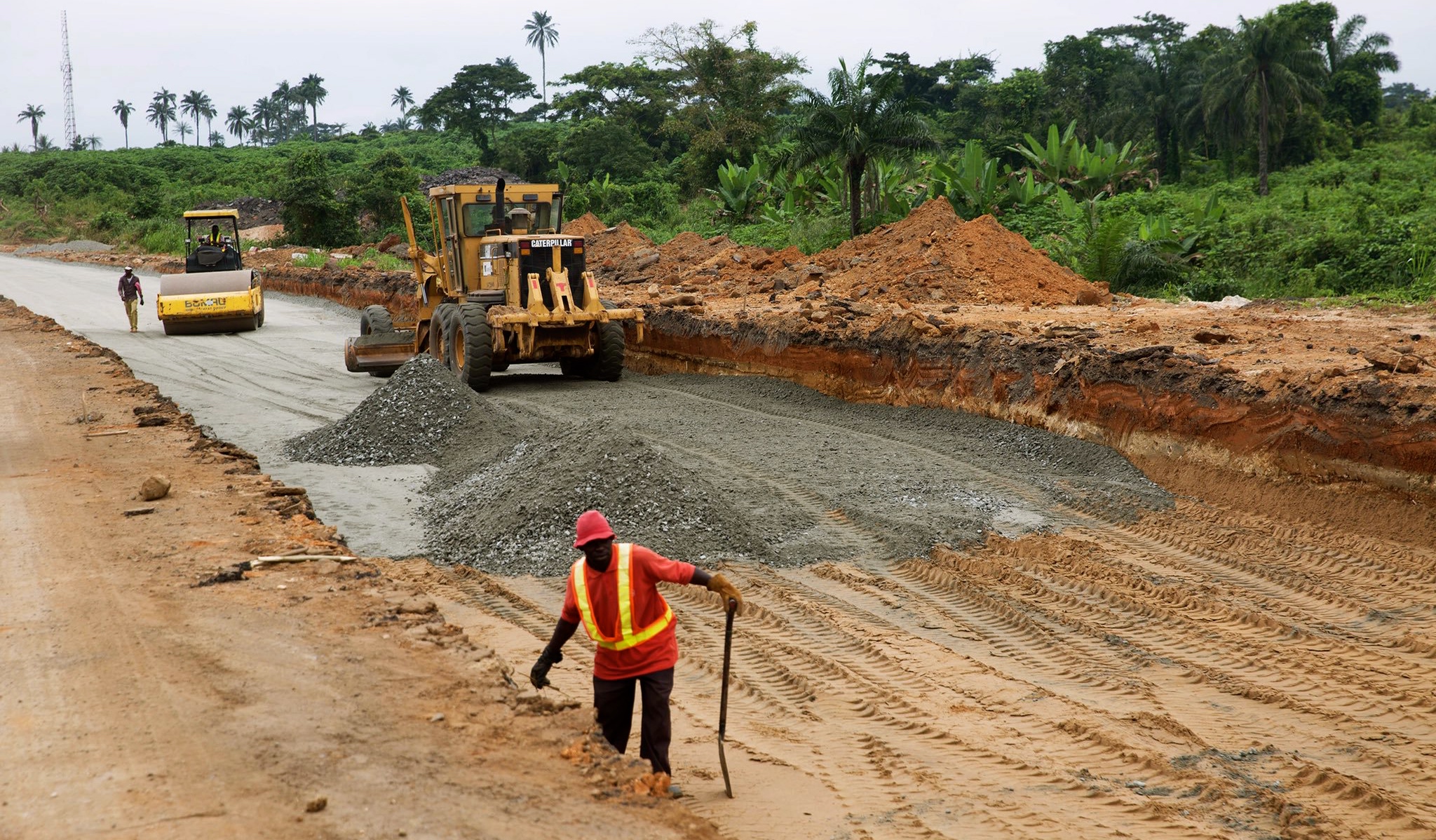
Insecurity and Poor Infrastructure Make Road Travel Difficult in Nigeria
-
 Loading...
 - Oluchi Eze
- 14 Jan 2025
- 107 Views
- 0 Like
- 0 Comment
A new report by SBM Intelligence highlights the profound impact of road conditions on Nigeria’s transport sector, revealing that issues such as traffic congestion, insecurity, and poor road infrastructure have led to significant delays, increased operational costs, frequent vehicle maintenance, and reduced efficiency. These challenges undermine the productivity and profitability of the sector, making it imperative to address Nigeria’s road infrastructure deficiencies.
The report, published last Thursday, emphasizes that improving the country’s transportation network is not merely a matter of convenience but an economic necessity. “Improved road conditions would significantly reduce delays, lower operational costs, extend vehicle lifespans, and stabilize pricing structures, creating a more efficient and sustainable transport system,” the report states.
SBM Intelligence conducted an updated evaluation of Nigeria’s major roadways, building on its 2017 report. This revised study relied on insights from commercial vehicle drivers who navigate these roads daily, providing valuable perspectives on the current state of Nigeria’s road infrastructure.
A comprehensive network of roads, railways, waterways, and airways is crucial for national development, with roads serving as the backbone of movement and commerce in Nigeria. Despite substantial yearly budgets dedicated to road construction and maintenance, the country continues to face a persistent gap in the quality and quantity of its road infrastructure.
Nigeria boasts the largest road network in West Africa, spanning 108,000 kilometers of paved roads, with the federal government responsible for constructing and maintaining 32,000 kilometers of this network. However, a consistent and independent assessment of the current road conditions is lacking.
SBM Intelligence engaged 245 drivers across eight major commercial hubs: Abuja, Calabar, Jos, Kano, Lagos, Maiduguri, Onitsha, and Port Harcourt. The survey revealed several critical insights:
- Insecurity: An overwhelming 84.6% of respondents reported experiencing or hearing about security incidents along their travel routes, highlighting the pervasive nature of security challenges on Nigeria’s roadways.
- Safety Perception: About 42% of respondents found the roads somewhat safe, while 58% viewed them as unsafe. This indicates a prevailing sense of unease among road users, underscoring the urgent need for improved security and infrastructure.
- Dangerous Hotspots: The survey identified dangerous hotspots across Nigeria’s major cities and highways, with areas like Lagos, Port Harcourt, and Maiduguri noted for high risks of theft, attacks, and road hazards.
The report also showed that road conditions significantly impact transportation times across various routes in Nigeria, often exceeding those predicted by standard navigation tools. For instance, the Lagos to Kano route recorded the longest travel time at 20 hours, while the Kano to Maiduguri route took 19 hours.
Widespread dissatisfaction with road conditions was evident, with nearly half of the respondents rating the road surface condition as average or poor. The survey highlighted that potholes (32.9%) and security concerns (25.6%) were the most common issues faced on Nigerian roads.
SBM Intelligence recommends concerted efforts from multiple stakeholders to address the challenges facing Nigeria’s road transport sector. Key recommendations include:
Increased Investment: The government should allocate more resources to rehabilitate and maintain critical routes, particularly high-traffic corridors like Lagos-Ibadan, Lagos-Onitsha, and Kano-Maiduguri.
Transparency and Accountability: Ensuring transparency and accountability in executing road projects is crucial for quality and timely delivery.
Strengthening Security: Enhancing security along major routes through increased patrols, surveillance technology, and community engagement is vital to restoring confidence in the transport sector.
Public-Private Partnerships (PPPs): The private sector and development partners should engage in more PPPs to fund and manage road construction and maintenance, introducing innovative solutions to streamline transport operations.
Strategic Planning: Policymakers must commit to a strategic plan to overhaul Nigeria’s transport infrastructure with clear timelines and measurable outcomes.
The challenges posed by insecurity and poor infrastructure in Nigeria’s road transport sector require urgent attention. By addressing these issues through a multi-pronged approach, Nigeria can enhance the efficiency and safety of its transportation network, ultimately fostering economic growth and improving the quality of life for its citizens. The time for action is now, as the state of Nigeria’s roads has far-reaching implications for commerce, security, and social mobility.